
REVIEW · THE HAGUE TOURS
Oranjehotel World War II Prison Entrance Ticket
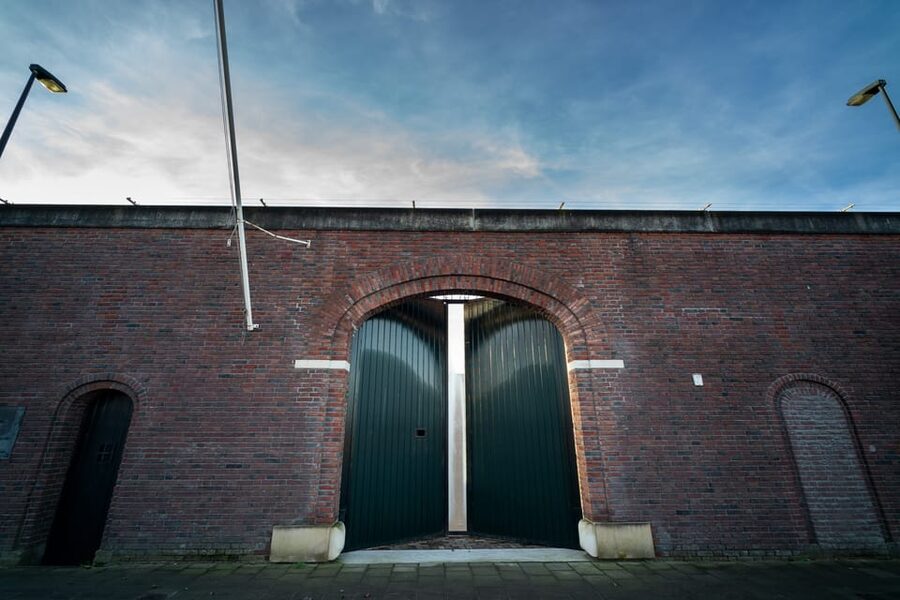
A prison cell is history you can face. This self-guided Oranjehotel visit takes you into one of the most important Nazi prisons in the Netherlands, with an included audioguide and room-by-room storytelling.
One of the things I really like is how the audio blends personal accounts with documents and photos, so it feels less like a slideshow and more like testimony. You also get the freedom to go at a respectful pace, instead of being rushed by a schedule.
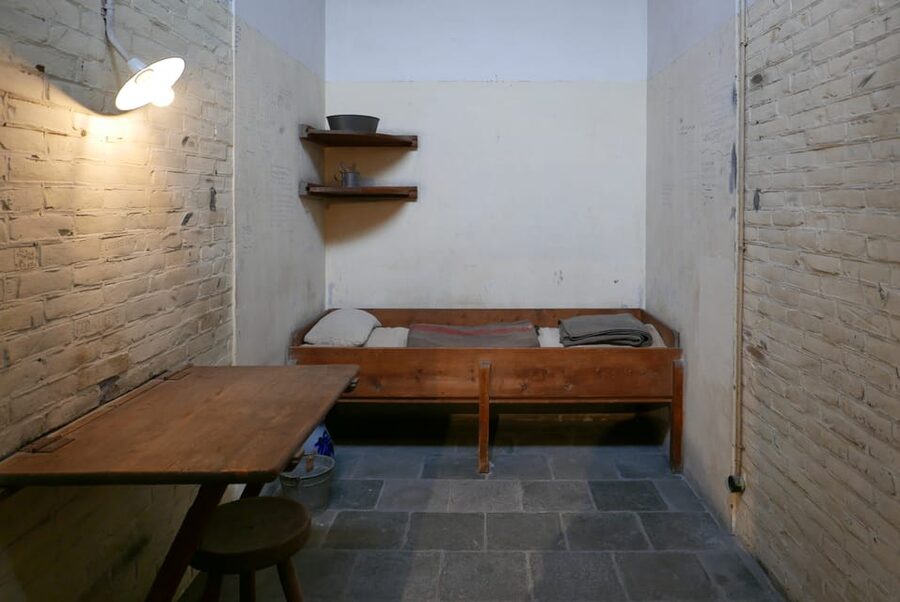
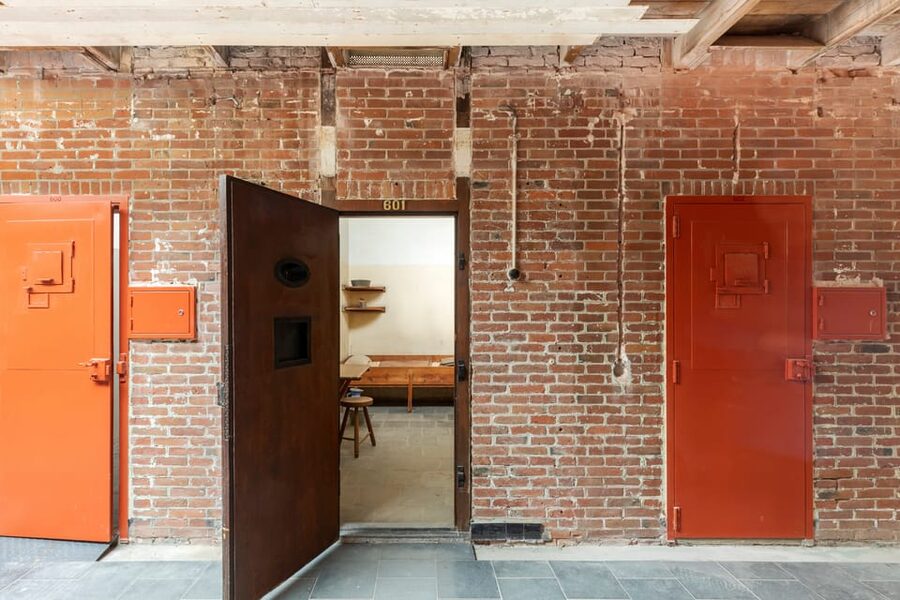
I’m especially glad you can see Cell 601, including the infamous death cell setting. It’s a rare chance to understand what imprisonment meant under occupation, not just read about it later.
The main drawback to weigh is that this is self-paced, audioguide-led history, not a live guided tour, so if you want a lot of spoken live interpretation you might feel a bit limited. One review also noted there are not many unchanged cells to view.
Key takeaways before you go
- Cell 601 is the headline stop, focused on the death-cell reality of WWII imprisonment
- Your audioguide includes interviews and audio fragments, plus documents, photos, and videos in the exhibit
- The visit is self-paced and follows a numbered route, so you can slow down where you need to
- You’ll learn about the rise of the resistance and how disruption hit prisoners’ families too
- Audioguides are available in English, Dutch, German, and French
- The site is wheelchair accessible and staff aim to help you get started smoothly
In This Review
- Oranjehotel in Den Haag: Why This Prison Still Hits Hard
- Ticket Value: Paying $15 for Entrance Plus an Audioguide
- Where You Go: Finding Nationaal Monument Oranjehotel
- Audioguide Experience: Interviews, Documents, and Cell Narratives
- Cell 601: The Death Cell Stop You Should Prepare For
- What You Learn Beyond the Cell Doors
- Pace and Layout: How to Visit With the Right Amount of Time
- Food, Timing, and Day Planning (Because You’ll Want a Break)
- Families and Kids: When Questions Are Part of the Point
- Wheelchair Accessibility and Comfort Considerations
- Should You Book This Oranjehotel Admission Ticket?
Oranjehotel in Den Haag: Why This Prison Still Hits Hard
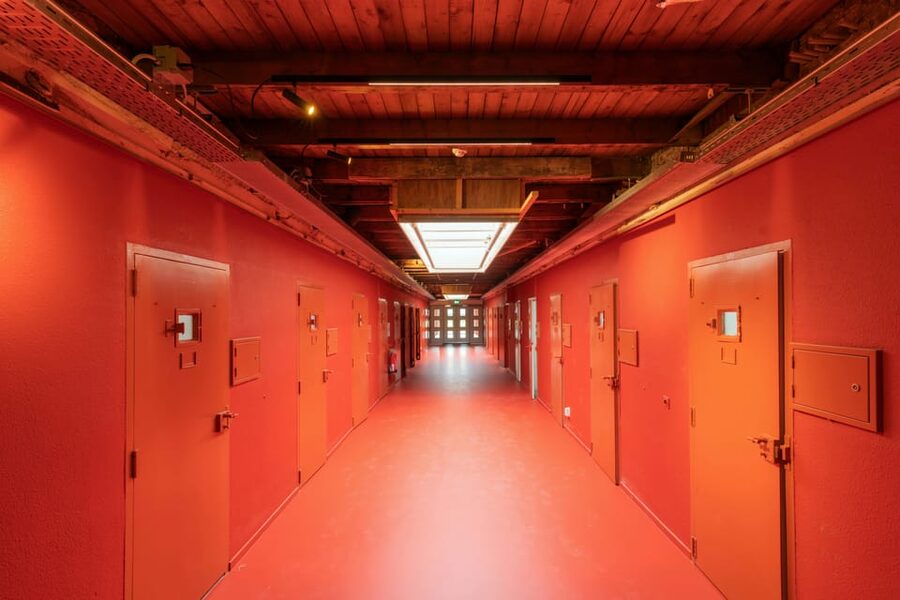
Oranjehotel is in South Holland, in and around Den Haag, and it carries one heavy distinction: it was one of the most important Nazi prisons in the Netherlands during WWII. If you care about how history is experienced, not just summarized, this place has weight. It’s not just about events in the abstract.
The core idea of the exhibition is what happened to prisoners once they entered. For over 250 prisoners, Oranjehotel was their final stop. They were sentenced to death and executed by firing squad. That sentence sits behind much of the storytelling you’ll hear and read, so the building itself becomes part of the lesson: confinement, fear, waiting, and the constant uncertainty.
At the same time, the stories don’t only focus on despair. The audio and displays also point to hope, solidarity, and faith in freedom. That balance matters. When you only see suffering, you lose the human thread. Here, you get both sides of the human experience under occupation, injustice and endurance.
Ticket Value: Paying $15 for Entrance Plus an Audioguide
At about $15 per person for a one-day ticket, this is fairly priced for what you get: entrance plus an audioguide. The value isn’t just the building. It’s the way you’re guided through it with English, Dutch, German, and French options.
Because food and drinks are not included, you’re also buying an experience, not a full package day. That can be a good thing. You’ll likely want to take your time and have a quiet lunch or snack nearby on your own. If you prefer planned museum hours and a guided group tour, this won’t feel like that. But if you want control over pace and attention, it can feel like good value.
One other small but meaningful point: the ticket is valid for one day. So you’re not locked into a long tour structure. You can plan it as a focused visit, and then build the rest of your day around it.
A handful of other The Hague outings
- The Hague: Mauritshuis Entrance Ticket
★ 4.7 · 2,706 reviews - The Hague: Madurodam Miniature Park Entry Ticket
★ 4.6 · 1,559 reviews - The Hague: The Pier SkyView Ticket with Drink and Snack
★ 4.4 · 1,398 reviews
Where You Go: Finding Nationaal Monument Oranjehotel
Your meeting point is the Nationaal Monument Oranjehotel, Van Alkemadelaan 1258, 2597 BP Den Haag. That’s useful, because “Oranjehotel” sounds like a single destination, but you’ll want to head straight to the memorial site so you don’t waste time in the area trying to orient.
In terms of flow, this visit is designed for independent navigation. You’ll move through the site at your own pace, using the audioguide and the numbered route. Plan on spending time in the spaces where you stop to listen, not just passing through rooms. This isn’t the kind of museum where you skim because you feel like you should “get through it.”
Audioguide Experience: Interviews, Documents, and Cell Narratives
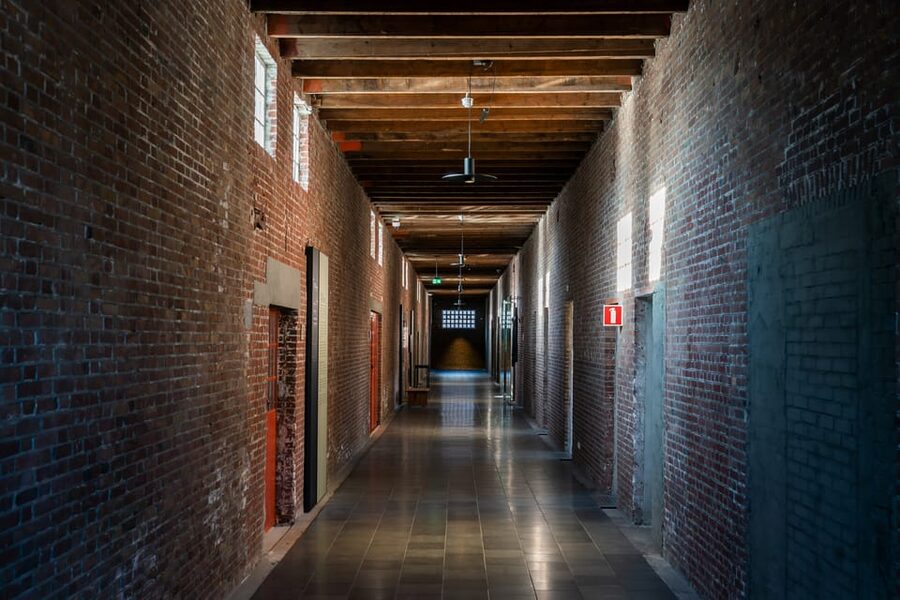
The included audioguide is a major part of why this works. You won’t just get dates and facts. You’ll hear stories illustrated by documents and photographs, along with interviews and audio fragments connected to prisoners’ experiences.
Here’s what that means for you in practice:
- You can match what you’re seeing with what you’re hearing. That alignment is powerful in memory-based places.
- You can pause when something feels like it needs a second listen.
- You can skip forward if you need a break, then return when ready.
The exhibit also includes a lot of written information and videos. If you like mixed media, you’ll probably appreciate that. If you prefer audio only, you might find yourself deciding what to read in each room. Either way, the design gives you options.
Also, the site’s staff are described as friendly and helpful. That matters at memorials. It’s easier to relax into the visit when someone points you in the right direction for starting your audioguide and understanding how the route works.
Cell 601: The Death Cell Stop You Should Prepare For
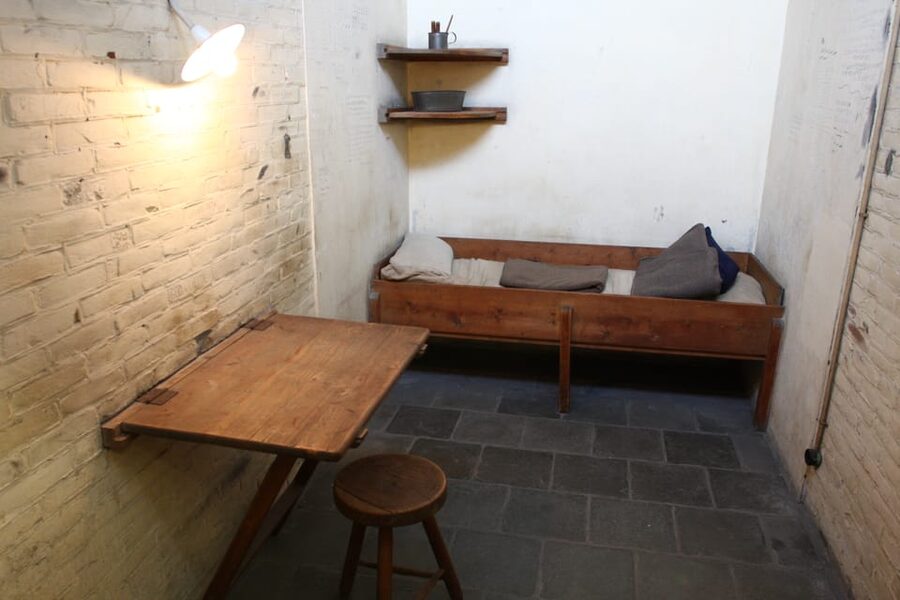
Cell 601 is the notorious centerpiece, and the memorial doesn’t treat it as a casual “must see.” The exhibit frames it as part of a system where prisoners were held, sentenced, and executed. Seeing the cell space is one thing. Understanding what the cell represented under occupation is another.
The audioguide is there to explain the context around imprisonment in the occupied Netherlands. You’re not just looking at a room. You’re being asked to connect the physical place to what prisoners faced: fear, uncertainty, hunger, and insecurity, all under Nazi control.
If you’re sensitive to emotional content, I’d recommend mentally preparing before you reach this section. Bring that readiness with you, and let yourself take the time you need. Some visitors want to rush to “get it over with.” Here, slowing down is usually the better choice.
A practical consideration, raised in one review: there is only one death cell shown in the way you might expect from a historical preservation site. So if your personal goal is to compare many unchanged cells, you may wish there were more physically preserved spaces.
A different way to spend an afternoon around The Hague:
- The Hague: Hop-on Hop-off Heritage Tram Tour
★ 4.5 · 1,311 reviews - The Hague: Escher in The Palace Museum Ticket
★ 4.6 · 896 reviews - The Hague: Scheveningen Beach RIB Speedboat Tour
★ 4.7 · 416 reviews - The Hague: Canal Cruise
★ 4.5 · 354 reviews
What You Learn Beyond the Cell Doors
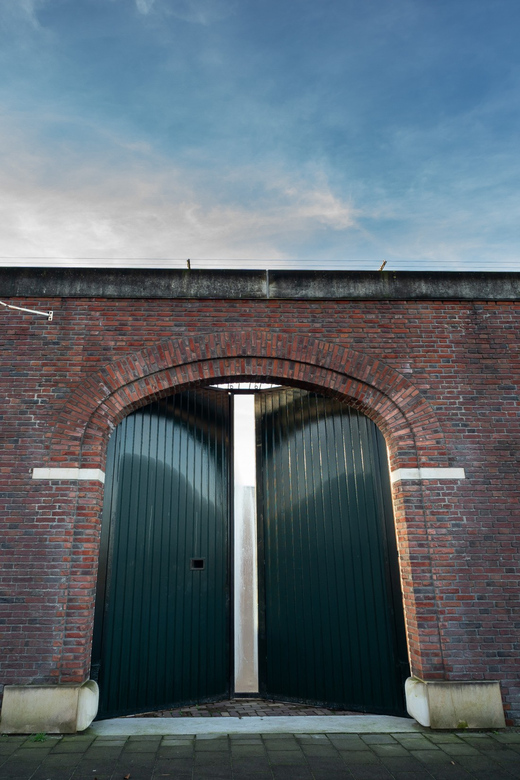
Oranjehotel isn’t only about a single moment. The visit builds outward from imprisonment into the bigger story of the Netherlands under Nazi occupation.
You can expect to learn:
- How the Oranjehotel building functioned within occupation-era detention
- How the resistance rose, and how prisoners were connected to broader conflict
- How imprisonment affected families, including the long disruption after the war
That last part is easy to miss in WWII museum visits, because many exhibits focus only on the prisoner. Here, the framing includes the consequences for loved ones. It’s a reminder that incarceration doesn’t end when a prisoner leaves the room or the building. It spreads through the entire social world around them.
There’s also an emphasis on injustice and what prisoners experienced in day-to-day terms, including hunger and insecurity. You’ll hear moving stories that highlight how people managed not just survival, but also the moral struggle to stay human.
Pace and Layout: How to Visit With the Right Amount of Time
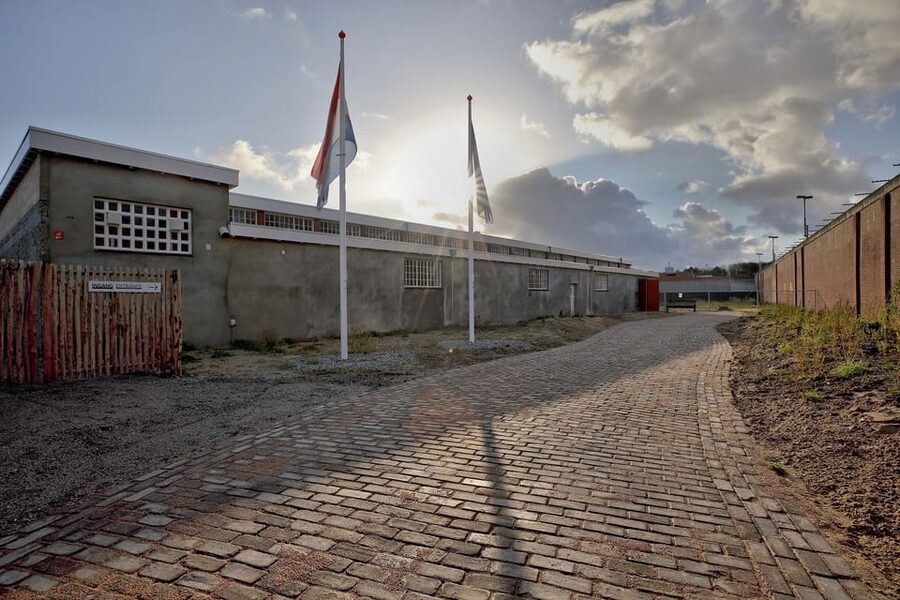
Since there’s no live guided tour, your pacing matters even more. You move through the exhibition following numbers and using the audioguide, which means you control the rhythm.
A good strategy is simple:
- Listen first, then look.
- Don’t force a full “tour route” if you hit a section that needs more attention.
- If you start to feel overwhelmed, give yourself permission to take a break and continue when ready.
This kind of memorial is designed to be respected, and the layout encourages that. In particular, one review highlighted that the exhibit is set out in a considerate way, allowing you time in each part to learn while respecting the people who were imprisoned there.
If you like to understand everything like a checklist, you might feel tempted to rush. Fight that instinct. The best visits here are usually the ones where you spend extra minutes on the audio fragments that make you stop and think.
Food, Timing, and Day Planning (Because You’ll Want a Break)
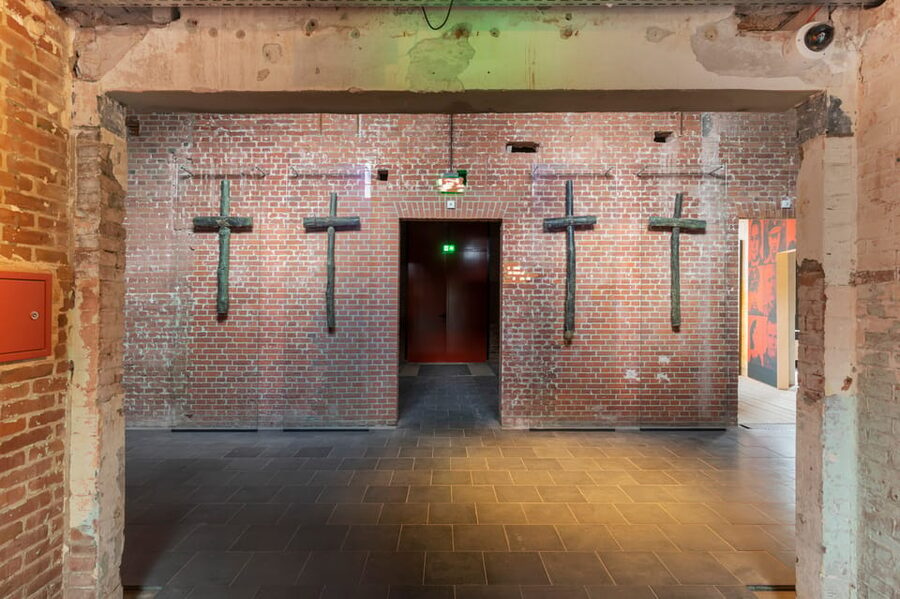
Food and drinks are not included. That means you’ll want to plan your day with a meal stop in mind. If you’re visiting in a single day, this is one of those experiences where lunch can turn into a necessary reset, not just a convenience.
The ticket is valid for one day, and starting times are shown as part of availability. So you can choose a time window that fits your travel day.
Also, because this is a memorial with serious content, I suggest building slack into your schedule. Don’t stack it back-to-back with another heavy museum the same afternoon. You’ll want space to metabolize what you just learned.
Families and Kids: When Questions Are Part of the Point
This isn’t a theme park, so you need to match it to your family’s emotional tolerance. Still, the experience can work for kids, including school-aged children. Reviews mention families visiting with children around ages 6, 10, and 13, with kids engaging and asking questions throughout.
If you’re bringing children, here’s the most practical advice:
- Be ready for follow-up questions at the exhibit and later at dinner.
- Plan for them to pause. Children often absorb better in short bursts of attention.
- Expect the topic to spark serious conversations, not just curiosity.
Teenagers and older kids might handle the context better, especially if they can connect it to other WWII learning they’ve done. One review also pointed out how visiting this site after Sachsenhausen helped connect knowledge and understanding. Even if you don’t plan a Germany stop, you can still use similar idea at home, linking the stories here to what you already know about WWII detention and resistance.
Wheelchair Accessibility and Comfort Considerations
The attraction is wheelchair accessible. That’s important, because this type of site can sometimes be hard for mobility needs, depending on layout. Here, you at least have confirmation that wheelchair access is part of the experience design.
Because the visit is self-paced, wheelchair users can also take their time. If you need extra time in areas with heavier emotional content, self-guided structure can be a benefit. The key is to plan your pace and not feel pressured to “complete the route” immediately.
Should You Book This Oranjehotel Admission Ticket?
Book it if you want a WWII memorial that focuses on personal imprisonment stories and the reality of what Nazi detention meant in the Netherlands. The included audioguide is central, and Cell 601 gives you a clear, unforgettable focal point.
Skip it or reconsider if you strongly prefer a live guided tour with a speaker-led narrative, because this is not that style. Also consider that there may be limited viewing of preserved cells beyond the main death-cell focus, so it’s not a place built for cell-to-cell comparison.
Bottom line: for many visitors, this ticket offers a serious, well-structured way to learn, listen, and reflect, without forcing you into a rigid tour pattern. If that’s your kind of travel day, it’s an easy yes.
Newest bookings around The Hague
- The Hague: Powerboat Tour Scheveningen★ 4.5 · 15 reviews
- The Hague Walking Tour★ 4.5 · 16 reviews
- The Hague: Private Boattour up to 10 persons★ 4.9 · 37 reviews
- The Hague: Private Custom Walking Tour With A Local Guide★ 4.5 · 13 reviews
- The Hague: The Hague Tower climb Guided Tour★ 4.6 · 52 reviews
- The Hague: individual tickets for an electric boattour!★ 4.8 · 57 reviews
- The Hague: Ping Pong Table Rental at a Secret Ping Pong Bar★ 4.5 · 7 reviews
- The Hague: Mystery Figures Walking Tour★ 5.0 · 3 reviews
The Hague Tours, compared.






Scheveningen: LEGOLAND® Discovery Centre Entry Ticket
Read our review →Browse the lists this tour appears in