
REVIEW · HISTORICAL TOURS
History & culture tour in Amsterdam with a local
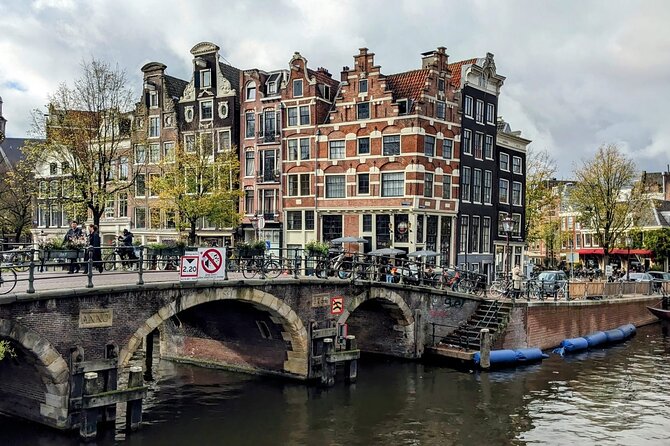
Amsterdam makes more sense on foot. This history and culture walk ties together canals, courtyards, and major city squares with a local perspective, plus a small-group pace that keeps things friendly and easy to follow.
I like the small group size, because you actually get time to ask questions and compare notes with people who are also into Amsterdam for the details. I also like the practical touch of a classic Dutch stroopwafel along the way, because it turns a history lesson into something you remember with your taste buds.
One possible drawback: it is a walking-focused route with short stops, so if you are hoping for long museum time or in-depth interiors, you will likely want to pair this with a museum visit later.
In This Review
- Quick Takeaways
- Entering Amsterdam’s Story at Beursplein
- Dam Square, Royal Palace Views, and the WWII Thread
- Begijnhof: Courtyard Quiet, Religion, and the Tolerance Lesson
- House on the Three Canals and the Bicycle Bridge Idea
- Nieuwmarkt: Waag, Guild Power, and the Dancing Houses
- Zeedijk Chinatown, the 1970s Story, and the Comeback
- Centraal Station: Architecture, Transportation, and Connection
- What Makes This Tour Feel Worth It
- Timing, Foot Comfort, and How to Prep
- Who Should Book This Walking History and Culture Tour
- Should You Book This Tour?
- FAQ
- How long is the tour?
- What language is the tour offered in?
- What group size should I expect?
- Is anything included besides the guide and walking?
- Where does the tour start and end?
- Can I get a full refund if I cancel?
Quick Takeaways
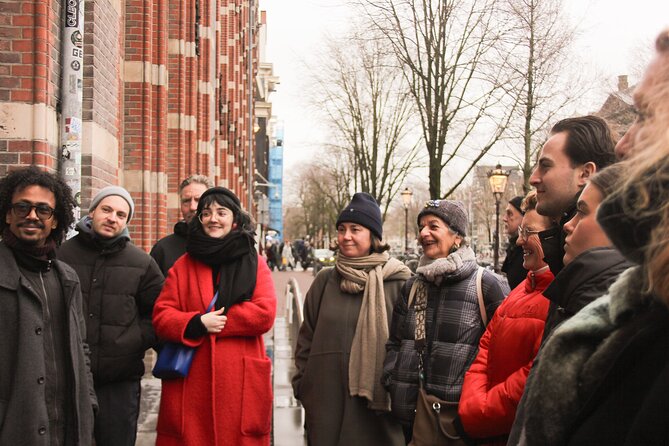
- Small-group walking (max 15) that stays lively without feeling like a classroom
- Stroopwafel included, a classic break that fits naturally with the route
- Stops that connect Amsterdam’s economy, tolerance, and WWII story in plain language
- Canal-area details like the house on three canals and the bicycle bridge concept
- A route that mixes famous landmarks with lesser-known corners like the Begijnhof and Zeedijk
Entering Amsterdam’s Story at Beursplein
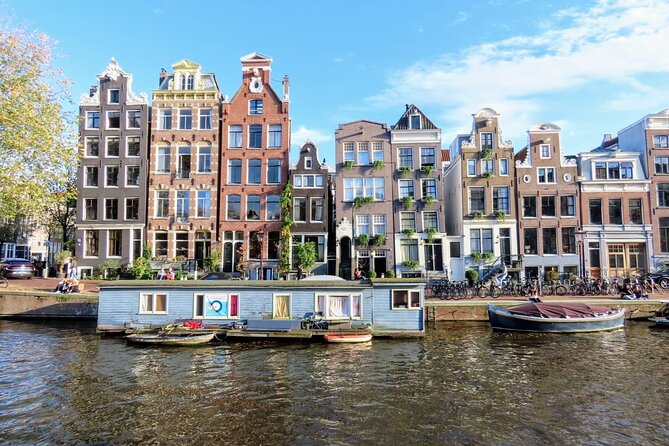
You start at Beursplein, a smart starting point because it points you toward how Amsterdam built its power. The guide helps you understand the city’s origins, including how a fishing village grew into a major player in global trade by the 17th century. That timeline matters, because so much of the cityscape you see later, from canal logic to wealthy building styles, traces back to that boom.
You will also pick up what the city name and early identity have to do with daily life back then. It sounds like trivia until you realize it explains why the city feels the way it does. Amsterdam was shaped by money and migration, not just by rulers, and the guide keeps steering you back to that.
Practical tip: Beursplein is central and easy to orient from. If you arrive early, take a quick look around the public spaces so the next stops feel like chapters, not random sights.
More History Tours in Amsterdam
- Amsterdam Food and Cultural Tour with Tastings
★ 5.0 · 4,315 reviews - Amsterdam: Historic City Centre Canal Cruise
★ 4.3 · 659 reviews - Amsterdam: Haunted History and Ghost Walking Tour
★ 4.5 · 488 reviews
Dam Square, Royal Palace Views, and the WWII Thread
Next up is Dam Square, and this is where the walk becomes more than architecture. You get the significance of Dam Square in the city’s formation, then you can look at the Royal Palace on the Dam and connect it to how authority and public space worked in Amsterdam.
What I appreciate here is the way the tour links the present to the tough parts of the past. You also hear about Dam Square’s role during the Second World War. That part can feel heavy, but the framing is useful: it helps you read the square like a place that has survived political changes and still matters in modern life.
A consideration: this is a busy area, so if you do not like crowds, keep your expectations realistic. The tour works through it with short stops, which usually helps.
Begijnhof: Courtyard Quiet, Religion, and the Tolerance Lesson
The Begijnhof is one of those places that changes your pace instantly. You step into a serene courtyard, and the guide uses that stillness to explain the religious history tied to the site. The key theme here is Amsterdam’s tolerance, and you do not just hear the word. You see how the layout and the presence of old buildings create a physical reminder of how communities lived side by side.
You also get a standout detail: one of the oldest houses in Amsterdam, including reference to one of two wooden cottages. That sort of specific information is exactly why a guided walk beats a self-guided scroll, because you leave knowing what you are looking at.
One small drawback: Begijnhof is not a long-stop location. The tour’s style is quick and focused, so if you are the type who likes to linger and fully absorb, you might want extra time afterward on your own.
House on the Three Canals and the Bicycle Bridge Idea
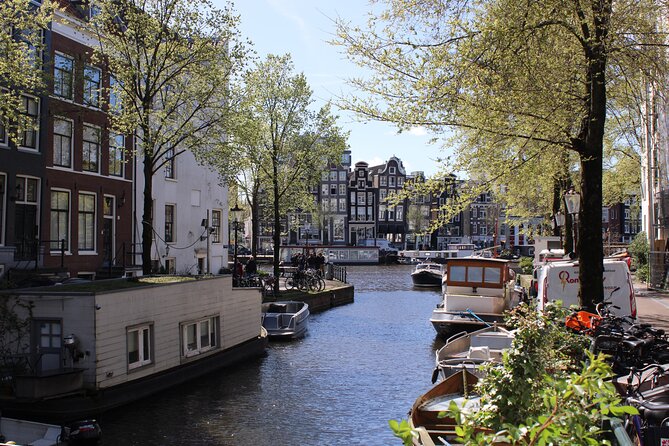
Then you hit the canal zone, where Amsterdam starts rewarding you for looking closely. You see the house on the three canals, a fascinating visual because it shows how buildings were designed to fit the water geography rather than fight it.
The guide also points out the bicycle bridge concept. Even if you have cycled in Amsterdam before, this kind of explanation helps you understand why the city invests in human-scale connections. It is not just transportation. It is a design philosophy.
Why this stop is valuable: many city walks treat canals like background scenery. This one uses the canal network as a way to explain how Amsterdam functions day to day.
Tip: if you are traveling with a photo-focused plan, keep your camera ready for this stretch. The angles can be tight, and the best views come quickly.
A handful of other Amsterdam outings
- Amsterdam High-End Dutch Food & History Tour – Up to 8 guests
★ 5.0 · 482 reviews - From Amsterdam: Volendam Heritage & Cheese Half-Day Tour
★ 4.4 · 461 reviews - Amsterdam: Historic City Sightseeing Canal Cruise
★ 4.5 · 444 reviews - Amsterdam: Historical Highlights Walking Tour with Tasting
★ 4.6 · 381 reviews
Nieuwmarkt: Waag, Guild Power, and the Dancing Houses
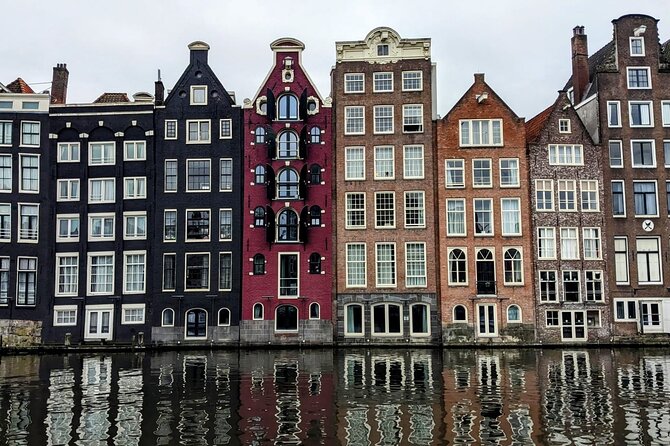
At Nieuwmarkt, you learn how the city gates evolved into something new and useful. You see the Waag, described as one of the old city gates that later became a guild hall. This matters because guilds were not just hobby clubs. They helped shape crafts, standards, and careers, so they influenced the look and feel of neighborhoods.
The tour also takes you to the idea of the dancing houses. These buildings are known for their unusual, tilted appearance, and the guide connects that visual quirk to the realities of building on shifting ground and different construction eras. You start to see Amsterdam as a living patchwork, not a perfect postcard.
What I like about this stop: it gives you a reason to care about architecture beyond aesthetics. You understand why certain places look the way they do, which makes your later exploring more satisfying.
Possible consideration: if you are short on energy, Nieuwmarkt can feel like another “outside stop” right after canal details. That is normal for this format. It is still worth it because it changes your mental model of the city.
Zeedijk Chinatown, the 1970s Story, and the Comeback
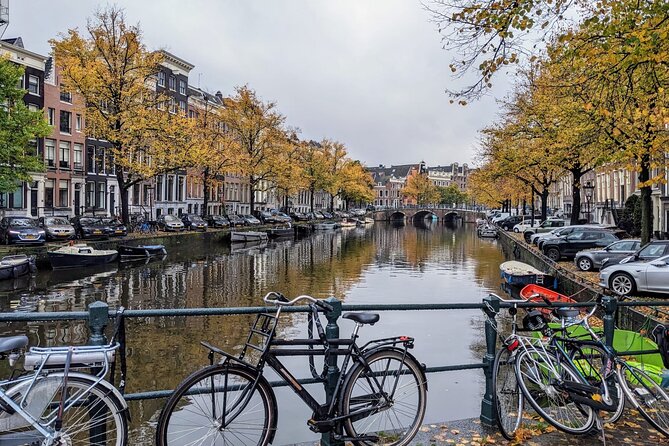
Zeedijk is a great reminder that Amsterdam does not stay stuck in one chapter. Here, you learn about Chinatown and how Zeedijk was once considered the most dangerous place in Amsterdam during the 1970s. Then the tour explains the decline and how the street transformed into one of the favorite spots for many Amsterdammers.
I appreciate this balanced arc. It avoids the tourist-movie version of history. Instead, it shows how a place changes through time, with new social patterns and different uses for the same streets and buildings.
Value for you: if you only visit Amsterdam as a set of famous sights, you miss the city’s social geography. This stop adds that layer in a way that is easy to digest.
Practical tip: this is a great moment to notice the rhythm of the street. Even if you do not stop for a meal, just watching how the street is used helps the story stick.
Centraal Station: Architecture, Transportation, and Connection
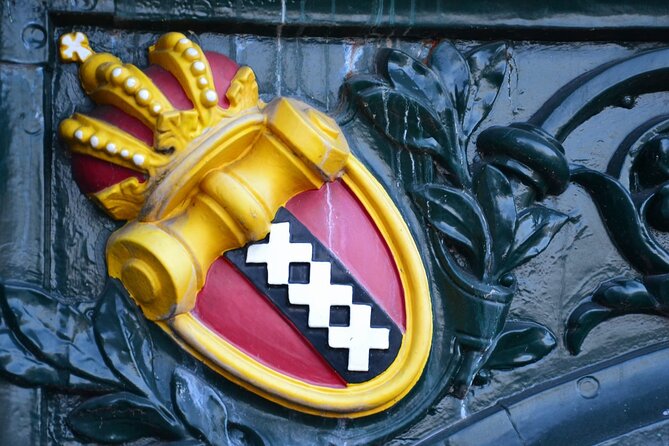
Finally, you reach Centraal Station. This is one of Amsterdam’s most striking buildings, and the guide helps you read it like a landmark with a job, not just a photo background.
You learn why the location of Central Station has played a crucial role for centuries as a transportation hub. That theme of connection and movement ties back to the earlier story about Amsterdam’s rise and global economy. In a way, the station is the modern version of the same impulse: linking people, goods, and opportunity.
This stop also works as a satisfying finish. You end with a big landmark, which helps you remember the walk as a coherent route rather than disconnected points.
One practical consideration: the station area is busy. Keep an eye on your group and meeting point routine so you do not get separated during the final gathering.
What Makes This Tour Feel Worth It
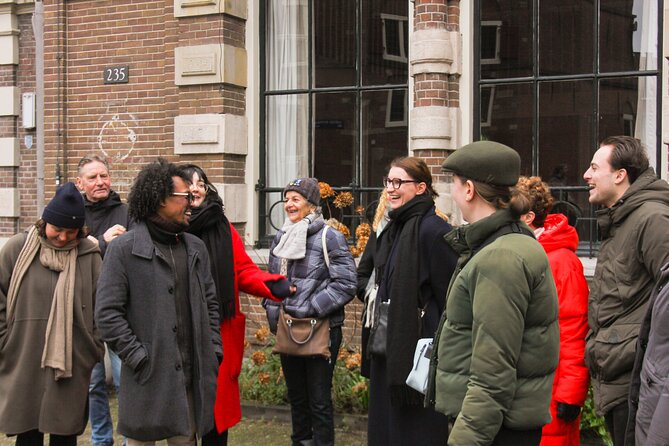
The price is $30.07 per person, and for a 2-hour walking experience that includes a guide, a small group limit, and a stroopwafel, it is a fair deal. You are not paying for museum entry because the stops are essentially outside viewing points with admission ticket free access at each location.
You are paying for interpretation. The difference is real. A guide helps you connect the dots between the city’s economic rise, its social tolerance, and how major events like WWII show up in public space. That kind of context can take weeks to pick up on your own, and a guided format compresses the learning into a single, manageable block of time.
The small group size matters too. With a maximum of 15 travelers, it is easier to keep things conversational. Based on the experiences shared by guides like Manouk and Malik, the strongest part is tailoring. Even if you do not choose a private option, you can still expect your guide to adjust pace and emphasis so you do not feel like you are being rushed through facts.
The stroopwafel also changes the tone. It gives you a break at just the right moment, so the tour does not feel like pure studying.
Timing, Foot Comfort, and How to Prep
This walk takes about 2 to 2.5 hours. Most stops are short, around 10 minutes each, with a longer stretch at Begijnhof, about 15 minutes. That structure is efficient, but it also means you will cover a good amount of ground.
Do this before you go:
- Wear comfortable shoes. Amsterdam sidewalks can be tricky.
- Bring a light layer if the weather changes quickly.
- If you love photos, plan that you will not shoot nonstop, because the guide will be pointing out small visual details you will want to see in person.
Most travelers can participate, and service animals are allowed. The route is near public transportation, so you can slot this on a day when you already plan to move around the city.
Who Should Book This Walking History and Culture Tour
This is a great fit if:
- You want a first or second day orientation to Amsterdam’s story.
- You enjoy history that connects to what you see outside, not only museum content.
- You prefer small-group touring over big-bus crowds.
- You like your guides to be friendly and adaptable. Names like Manouk and Malik show up in the kind of feedback this tour earns, and their approach comes through as personalized and question-friendly.
It might be less ideal if:
- You want long stops inside major buildings.
- You hate walking and need frequent breaks beyond a short snack moment.
- You are already a heavy history reader who only wants the deep technical details. This tour is built for clarity and flow.
Should You Book This Tour?
I think you should book if you want Amsterdam to make sense fast and you like learning through real locations. The mix of key squares, courtyards, canal details, and the street-level story of Zeedijk gives you a more complete picture than the usual highlight-only route.
Book it on a day when you are ready to walk with curiosity. Then, later in your trip, you can explore independently with better instincts. You will know what you are looking at, and you will understand why Amsterdam looks the way it does.
FAQ
How long is the tour?
The walking tour lasts about 2 to 2.5 hours.
What language is the tour offered in?
It is offered in English.
What group size should I expect?
The group is limited to a maximum of 15 travelers.
Is anything included besides the guide and walking?
Yes. You enjoy a classic Dutch Stroopwafel along the way.
Where does the tour start and end?
It starts at Beursplein, 1012 JW Amsterdam, Netherlands, and ends back at the meeting point.
Can I get a full refund if I cancel?
Yes. You can cancel for a full refund if you cancel up to 24 hours in advance of the experience start time.
Newest bookings around Amsterdam
- Amsterdam Breakfast Cruise on Private Luxury Boat★ 5.0 · 5 reviews
- Amsterdam-West Food Tour with local guide★ 5.0 · 16 reviews
- Amsterdam: Explore the Van Gogh Museum & His Masterpieces★ 3.5 · 64 reviews
- Van Gogh Museum Tour excluding Entrance Tickets★ 5.0 · 16 reviews
- Van Gogh Museum with Audio Guide★ 3.5 · 80 reviews
- Van Gogh Museum Ticket with Audio Guide and Unlimited Access Time★ 5.0 · 25 reviews
- Van Gogh Museum Entry Ticket and Guided Tour★ 4.5 · 48 reviews
- Van Gogh Museum Private Tour★ 5.0 · 5 reviews
Historical Tours, compared.

Amsterdam Food and Cultural Tour with Tastings
Read our review →
Kinderdijk UNESCO World Heritage Entry Ticket
Read our review →

Amsterdam High-End Dutch Food & History Tour – Up to 8 guests
Read our review →
Cruise through the Historic City Center with Guide
Read our review →Browse the lists this tour appears in