
REVIEW · MUSEUMS
Elburg: Admission to the Zandverhalen Museum
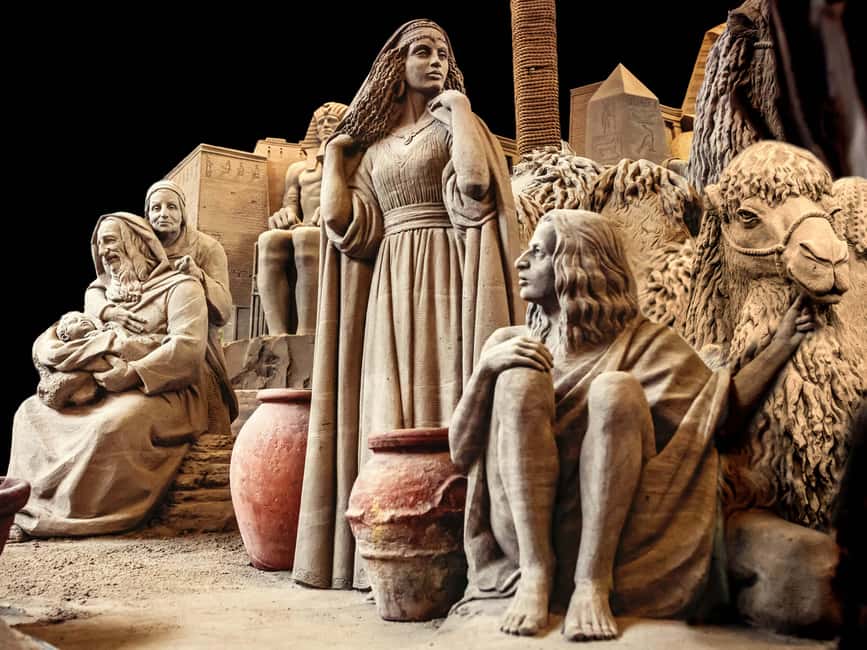
Sand tells stories in a giant indoor world. In Elburg, the Zandverhalen Museum uses thousands of sand sculptures to bring biblical scenes and cultural details to life, from miniature figures to giant structures, all under one roof in Flevoland.
I especially like the scale and the way the museum mixes tiny, delicate work with huge, meter-high creations. I also love how the stories are built into the art, so you do not just stare at sand, you follow scenes like Adam and Eve, Moses, and the Tower of Babel.
One heads-up: it can be surprisingly cold inside, especially in winter. I’d plan on warm layers and gloves, even though you are indoors.
In This Review
- Key highlights that make this sand museum worth your time
- Zandverhalen Museum in Elburg: what the ticket actually buys you
- Inside the museum: three big halls, thousands of cubic meters of sand
- The biblical stories in sand, from Adam and Eve to Babel
- Scale matters: how 3 cm to 8 m changes your viewing habits
- The detail you might not expect: ships, olive trees, and lock gates
- What to wear: why you should plan for cold even indoors
- A quick, realistic 1-day pacing plan
- Price and value: is $17 per person a fair deal?
- Language and interpretation: how to enjoy it if you do not read everything
- Winter and family fit: who will enjoy Zandverhalen most
- The bottom line: should you book the Zandverhalen Museum?
- FAQ
- How much is admission to the Zandverhalen Museum in Elburg?
- How long should I plan to spend there?
- What will I see inside the sand sculpture exhibition?
- Is there free parking included with the ticket?
- Is the museum wheelchair accessible?
- Will I have free cancellation if my plans change?
Key highlights that make this sand museum worth your time
- Largest indoor sand sculpture exhibition in the world, so the experience stays big from start to finish.
- Three large halls with about 5000 m² of space, where you can move around and compare details.
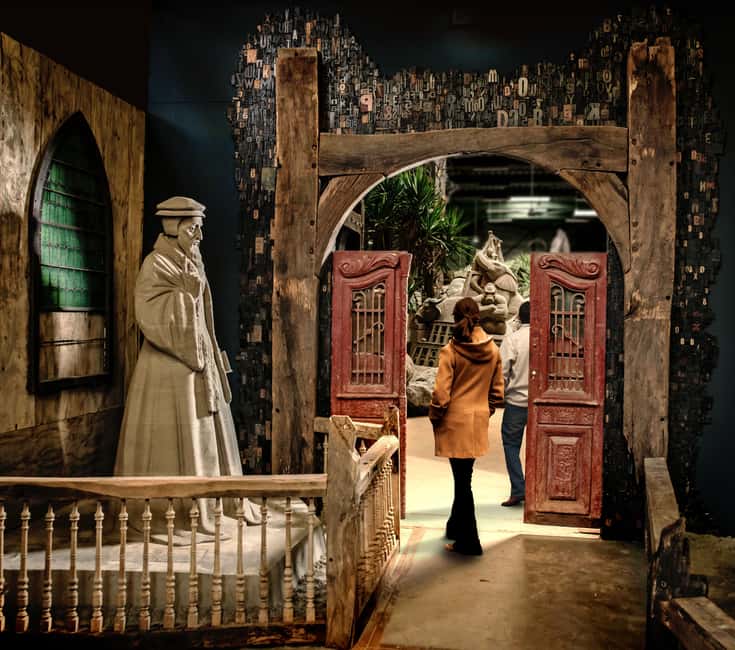
- Over 300 sculptures made from sand sourced from the Markermeer, with figures from 3 centimeters up to about 8 meters tall.
- Biblical scenes built as art, including Adam and Eve, Moses, and the Tower of Babel.
- Real craft detail, with explanations that help you connect the title Zandverhalen to what you see.
Zandverhalen Museum in Elburg: what the ticket actually buys you

For one fixed admission, you get access to an indoor sand sculpture world that feels way larger than you’d expect from a single museum. The Zandverhalen Museum in Elburg is built around a simple idea: tell historical and biblical stories using sand, then turn those stories into something you can walk through.
This is not a quick photo spot. You are meant to look closely, slow down, and notice the difference between a sand shape that looks cool from far away and sand that holds detail up close. If you enjoy hands-on imagination, this kind of storytelling hits hard because it uses contrast: soft material, serious subjects, and surprisingly crisp execution.
The ticket also includes free parking, which matters here. The museum is in a region where you will likely arrive by car, and not having to hunt for parking feels like part of the good value.
A handful of other Netherlands outings
- Amsterdam: Van Gogh Museum Ticket
★ 4.7 · 52,054 reviews - Moco Museum Amsterdam Entrance Tickets with Banksy & More
★ 4.4 · 10,088 reviews - Amsterdam: Red Light Secrets Museum Entry Ticket
★ 4.2 · 5,722 reviews
Inside the museum: three big halls, thousands of cubic meters of sand
What I like about the setup is that you move through the collection in stages. The exhibition spans three large halls with about 5000 m² total area, and it is filled with sand installations created from roughly 4000 m³ of sand.
You get more than 300 sand sculptures, and the size range is wide enough to keep you from getting bored. Some pieces are tiny in the way they demand attention, while others go up to about 8 meters tall. That range is the key to why the visit feels balanced. You can “zoom in” with your eyes, then “zoom out” to take in the full scene.
Also, the museum uses the fact that sand behaves differently than stone or wood. Sand can be layered, shaped, and carved, which gives the sculptures a distinct look. The effect is a little magical at first, then you start noticing craft decisions: what the artist emphasized, what details they repeated, and how they built depth using texture.
The biblical stories in sand, from Adam and Eve to Babel
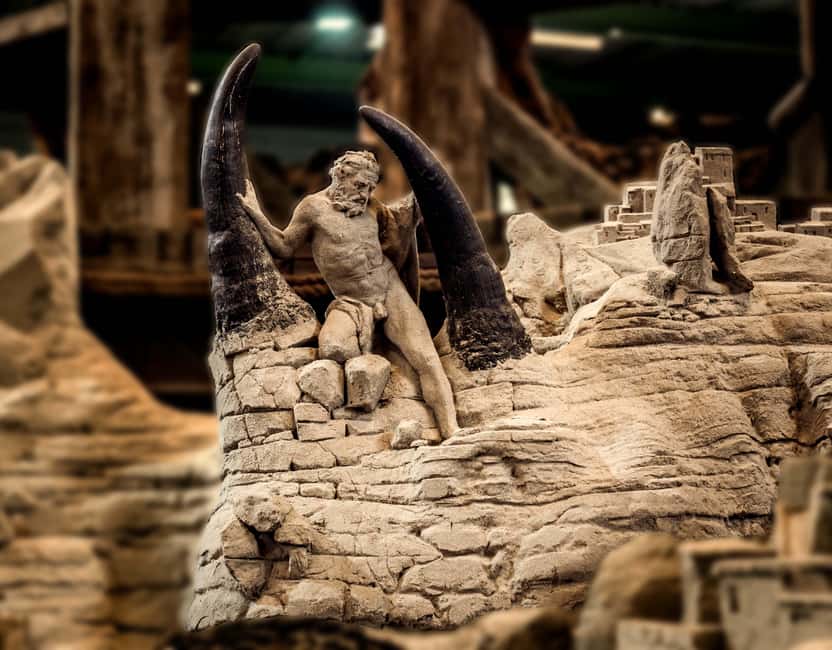
The Zandverhalen experience is built around biblical storytelling, but it is handled as art and culture, not as a lecture. You’ll move through scenes that include Adam and Eve in paradise, Moses on the mountain, and the Tower of Babel, plus more historical and narrative setups.
What makes this approach work is that it turns familiar stories into something visual and physical. Instead of remembering the story from a book, you track it from scene to scene using form, scale, and arrangement. The result is you can connect the title Zandverhalen, sand stories, to what you see without needing extra explanation.
One thing you should plan for: some of the content is in its original language. So if you do not read the language used for part of the museum, go anyway and focus on the visuals first. The sculptures carry a lot, and you can still follow the main narrative beats.
Scale matters: how 3 cm to 8 m changes your viewing habits
The museum’s most practical feature might be the size ladder. When sculptures range from 3 centimeters to 8 meters, your eyes need to adjust every few minutes. That keeps the visit active and prevents the common museum problem of “everything looks similar once you get tired.”
Here is how to use that to your advantage:
- When you see a very large scene, stand back first. Let the overall composition settle.
- Then walk closer to spot repeated details, like faces, edges, and texture.
- If you find yourself rushing, pick one sculpture and do a slow scan, top to bottom.
A standout in the show is the way artists handle facial expression and fine features. People have praised the detail in the faces, and that matches what you can often miss if you treat the exhibition like a quick walkthrough. Look for eyes, mouths, and posture, because those are what make the sand characters feel human rather than just decorative.
A different way to spend an afternoon around Netherlands:
- Amsterdam: Heineken Experience Ticket including 2 Drinks
★ 4.6 · 36,014 reviews - Amsterdam Classic Saloon Boat Cruise with Drinks and Cheese
★ 5.0 · 31,825 reviews - Amsterdam Luxury Canal Cruise + Unlimited Drinks & Bites option
★ 5.0 · 30,518 reviews - Amsterdam: Rijksmuseum Entry Ticket
★ 4.7 · 29,512 reviews
The detail you might not expect: ships, olive trees, and lock gates

Bible scenes are the backbone, but the museum also layers in historical and cultural motifs. You might see historic ships, ancient olive trees, and meter-high lock gates with lots of small details packed into the model work.
This variety is useful for pacing. If you come with kids, the ships and gates give them something concrete to point at. If you come as an adult, the mix adds texture to the storytelling, because it turns “biblical” into something wider, like human history expressed through built scenes.
And those meter-high lock gates are a perfect reminder that sand sculpture can still feel architectural. Even though it is made from granular material, the structures can communicate weight and function.
What to wear: why you should plan for cold even indoors
Here is the most repeated practical tip I’d give you: dress for cool rooms. One review noted that it is just as cold inside as outside, so if you visit in winter, bring warm layers and even gloves.
It makes sense when you think about an indoor exhibition filled with sand and airflow. So do not assume indoor equals comfortable. I’d treat it like a partially outdoor experience in terms of temperature.
A simple plan:
- Wear warm base layers.
- Bring a light insulated jacket.
- If you get cold easily, add gloves.
You will enjoy the details more if your hands are working and your brain is not busy staying warm.
A quick, realistic 1-day pacing plan
You have one day for the admission, and you’ll usually want a chunk of time that lets you absorb the whole exhibition. There is no need to sprint. The museum is designed for slow looking.
A good pacing rhythm for a place like this:
- Start with one hall and take photos only after you’ve done a slow visual scan.
- Spend time on the large sculptures, then circle back to the medium and small pieces for fine detail.
- If you read and look at explanations, do it for a few key scenes rather than trying to process everything at once.
Because there are over 300 sculptures, you do not want to force “complete coverage.” You do want to feel like you understood what the artists were trying to say. That comes from choosing highlights and giving them attention.
Price and value: is $17 per person a fair deal?
At around $17 per person, the ticket price feels reasonable for a major indoor sculpture exhibition of this scale. The key value drivers are not only the “300+ sculptures” headline, but the amount of physical work implied by the size range and the volume of sand used.
Also, the ticket includes free parking, which can quietly add value if you are traveling by car. And you are not buying a short show. This is an exhibition spread across three big halls, with enough material that you can revisit areas and still feel like you have not seen everything.
If you love art, detail, storytelling, or anything “hands-made,” it is a strong value. If you prefer minimal walking and maximum comfort, you might find yourself wanting more time to sit with the art, so plan your visit when you are not rushed.
Language and interpretation: how to enjoy it if you do not read everything
Some content is shown in the original language. That can sound scary, but you can handle it without turning your day into a translation homework assignment.
Use a two-layer strategy:
- Read the visuals first: scenes are built to be recognizable through composition and subject.
- If you can read the explanations for a scene, take in the artist’s reasoning.
That second part matters because people have praised the explanations from the artists for making the museum’s title feel justified. Even if you skip some text, you can still catch the “why” through the choices in the sculpture.
Winter and family fit: who will enjoy Zandverhalen most
This is one of those museums that works across ages. The exhibition is described as a visit for young and old alike, and the range of subjects, including ships, trees, and towering structures, gives kids something immediate to focus on.
Adults usually enjoy it for two reasons: the craft detail and the story layering. When you see a serious biblical theme built from something as basic as sand, it changes your perspective. You start noticing how expression and narrative are communicated by shape and texture.
Who might not love it as much:
- If you hate slow looking, this can feel like you need to pause more than you want to.
- If you hate cold rooms, you will need to come prepared.
The bottom line: should you book the Zandverhalen Museum?
Book it if you want a memorable indoor outing with a big scale, strong storytelling, and lots of visible craftsmanship. The combination of over 300 sculptures, three large halls, and the wide size range makes this more than a quick stop.
Skip it only if you cannot handle cool indoor conditions or you know you prefer museums with minimal reading and minimal looking. Otherwise, for a one-day visit in Elburg, Zandverhalen is a very solid use of your time, and the free parking adds extra comfort.
FAQ
How much is admission to the Zandverhalen Museum in Elburg?
The price is $17 per person.
How long should I plan to spend there?
The experience is listed as 1 day, and the exhibition is spread across three large halls.
What will I see inside the sand sculpture exhibition?
You can expect sand sculptures that bring biblical stories to life, including Adam and Eve, Moses, and the Tower of Babel, along with historic ships, olive trees, lock gates, and many other detailed scenes.
Is there free parking included with the ticket?
Yes. Admission includes free parking.
Is the museum wheelchair accessible?
Yes, the museum is wheelchair accessible.
Will I have free cancellation if my plans change?
Free cancellation is available up to 24 hours in advance for a full refund.
Newest bookings around Netherlands
- Amsterdam Breakfast Cruise on Private Luxury Boat★ 5.0 · 5 reviews
- Amsterdam-West Food Tour with local guide★ 5.0 · 16 reviews
- Amsterdam: Explore the Van Gogh Museum & His Masterpieces★ 3.5 · 64 reviews
- Van Gogh Museum Tour excluding Entrance Tickets★ 5.0 · 16 reviews
- Van Gogh Museum with Audio Guide★ 3.5 · 80 reviews
- Van Gogh Museum Ticket with Audio Guide and Unlimited Access Time★ 5.0 · 25 reviews
- Van Gogh Museum Entry Ticket and Guided Tour★ 4.5 · 48 reviews
- Van Gogh Museum Private Tour★ 5.0 · 5 reviews
Museums, compared.

Moco Museum Amsterdam Entrance Tickets with Banksy & More
Read our review →
Amsterdam’s Weirdest Museum: Ripley’s Believe It or Not!
Read our review →


Browse the lists this tour appears in