
REVIEW · RED LIGHT DISTRICT TOURS
Amsterdam Red Light District and City Center Walking Tour
Amsterdam turns your head fast, then teaches you why. This Red Light District and city center walking tour uses night walking in De Wallen plus classic Old Town stops so you understand what you are looking at, not just what it is called. I like that you get an expert guide to keep things clear, and I also like how the route stitches together adult culture with landmarks like the Waag and the Dam area.
One drawback to consider: this is an adult-themed district walk, so if you want a strictly family-friendly Amsterdam overview, you may prefer another style of tour.
You also get a practical setup. It runs about 2 hours, the group caps at 16, and you can choose multiple start times. That makes it a solid first-or-second day activity when you want a quick sense of the city layout and how the old parts connect to modern life.
In This Review
- Key Highlights You’ll Actually Care About
- Why De Wallen At Night Helps You Understand Amsterdam
- Meeting at Geldersekade 2, Timing, and What to Expect on Foot
- De Wallen Stop: Windows, Laws, and Coffeeshop Culture Without the Guesswork
- The Dam Area and Amsterdam’s Wooden-Pole Foundation
- Old Town Roots: Why This Part of Amsterdam Feels So Established
- Pub The Ape (Int Aepjen): The Wooden-Building Story After the 1452 Fire
- Waag: From City Gate to Guild Headquarters
- The Smallest House and the VOC Connection
- A Condom Shop Since 1987: Modern Rules and Practical Shopping
- Guides Who Keep It Clear, Including Robin, Gio, and Aaron
- Price and Value: Is $31.24 Worth It?
- Who Should Book This Tour, and Who Should Skip
- Should You Book It? My Practical Verdict
- FAQ
- How long is the Amsterdam Red Light District and City Center walking tour?
- How much does the tour cost?
- Where does the tour start and end?
- Is the tour offered in English?
- Is free cancellation available?
- Is the tour accessible for travelers with limited mobility?
Key Highlights You’ll Actually Care About
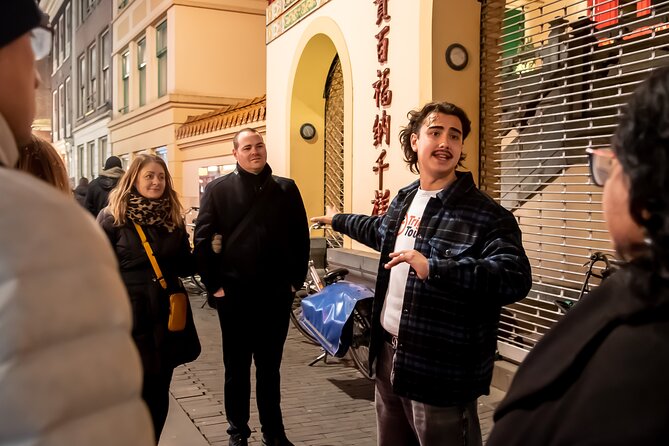
- De Wallen at night, with a guide explaining the real rules around the windows and the coffeeshop scene
- Tight group size (max 16), so questions stay possible and the pace feels human
- Old Town orientation built around major spots like the Dam area, Waag, and historic houses
- Story-rich stops tied to concrete details, like wooden buildings after the 1452 fire and Amsterdam’s pole-built foundation
- Guides with good group control, including keeping track of everyone and making eye contact for Q and A
Why De Wallen At Night Helps You Understand Amsterdam
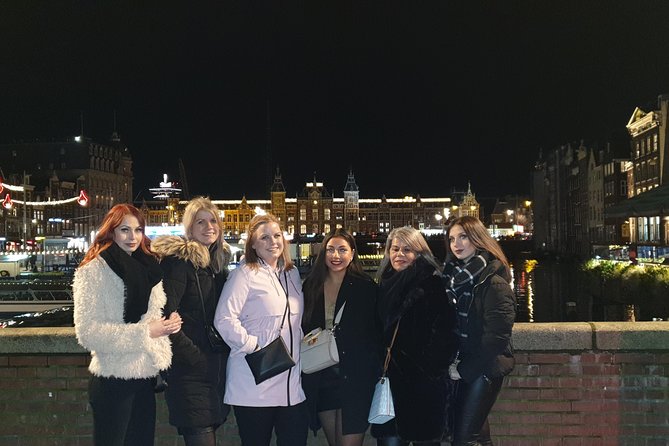
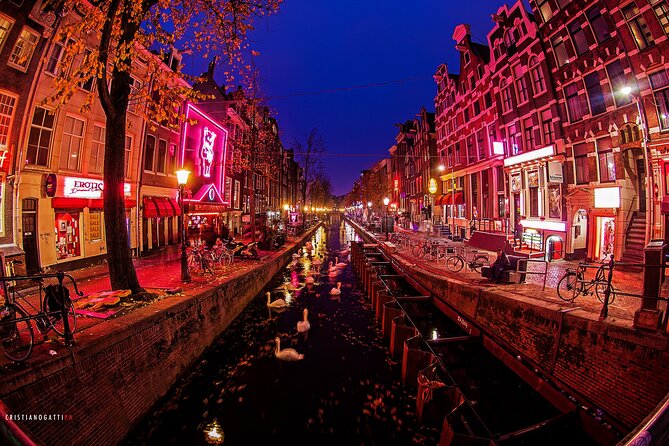
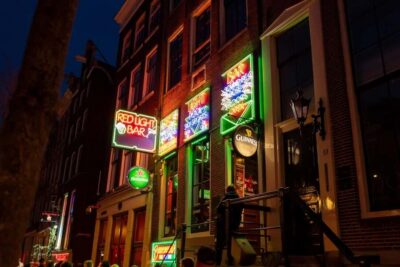
De Wallen makes more sense after dark. During the day, it can look like just another set of tight streets. At night, you get the atmosphere, the lighting, and the rhythm of foot traffic, and your guide can frame what you are seeing in a way that feels grounded.
What I like most is that the tour does not treat the district like a cartoon. You learn the operating reality: sex work happens under a specific legal framework, and the windows, licensing, and local rules are part of the story. You also hear how coffeeshop culture fits into the broader city culture, not as a standalone gimmick but as a neighborhood piece.
This is also a tour that uses contrasts well. You start with De Wallen, then you move into older, quieter corners of Amsterdam that remind you the city was built on craft, trade, and strange ingenuity long before modern debates. That shift helps you stop judging the district as an isolated attraction and start understanding it as part of the city.
More Walking Tours in Amsterdam
- Amsterdam Anne Frank: Small-Group Walking Tour & Local Guide
★ 4.8 · 12,789 reviews - Anne Frank’s Story – Guided Walking Tour through Amsterdam
★ 5.0 · 11,619 reviews - Absolutely Amsterdam – the Essential Introductory Walking Tour
★ 5.0 · 3,629 reviews
Meeting at Geldersekade 2, Timing, and What to Expect on Foot
The tour starts and ends back at Geldersekade 2, 1012 BH Amsterdam. That matters more than it sounds. You do not have to worry about being dropped somewhere random, and you can plan dinner or a next stop near the same transit-friendly area.
Duration is about 2 hours, with a walking rhythm that suits a typical sightseeing group. The route is not labeled as a long trek, but it does involve standing and walking through narrow streets, which is why it is not recommended for limited mobility.
What to wear: Amsterdam at night is usually cooler than you expect, and De Wallen streets can be a bit tight to move through. I’d wear comfy shoes you trust for city sidewalks and have a layer for the temperature drop after sunset.
De Wallen Stop: Windows, Laws, and Coffeeshop Culture Without the Guesswork
Your first big moment is De Wallen, Amsterdam’s best-known Red Light District. You start at night, and your guide leads the way through narrow streets where you can actually see the layout that makes the windows visible from the street.
The value here is clarity. You get explanations of how the laws work in the district and what those rules mean in real life, not just generic warnings. You also learn the structure of the sex work industry in Amsterdam from a practical angle, including how it relates to the neighborhood and the local political reality.
Then comes the coffeeshop culture connection. You do not just hear the buzzwords. You learn how it fits into the same street ecosystem, which is useful because Amsterdam often blends counterculture and everyday life in the same block.
A note on tone: this kind of tour works best when your guide keeps it factual and respectful. I especially appreciate guides who answer questions calmly and keep the group together, since De Wallen can change quickly with crowd flow.
The Dam Area and Amsterdam’s Wooden-Pole Foundation
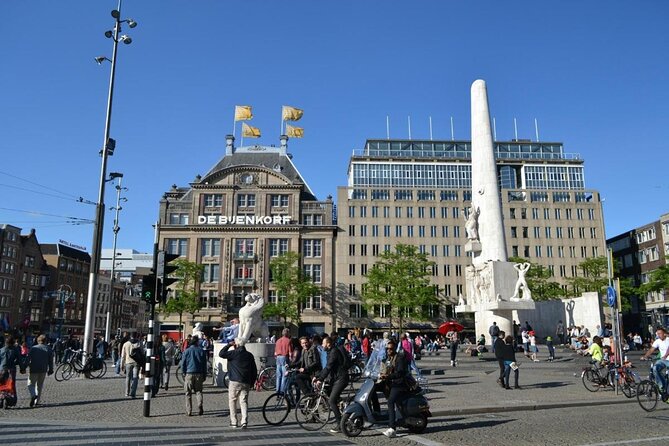
After the district, you shift into the story of Amsterdam’s physical foundations, starting with the Dam area.
Here’s the kind of detail that makes the city click. Amsterdam’s ground has thick layers of fen and clay. Historically, buildings were supported by wooden foundation piles driven down through clay, peat, and water until they hit the first solid sand layer, estimated at around 11 meters deep.
Why this matters for you: once you understand the pole-built foundation idea, you stop thinking Amsterdam’s historic buildings are just charming old structures. They are engineering feats that allowed the city to grow in a challenging environment. That context makes the whole center feel more intentional, not accidental.
You also get the sense that the city built on trees is not a quirky slogan. It is a real, practical reason Amsterdam’s architecture looks the way it does, including why so many historic buildings have held up through centuries of damp and change.
More Red Light District walks:
- Amsterdam: Red Light District Tour in DE/EN/IT/ES/FR
★ 4.9 · 7,136 reviews - Amsterdam: Red Light Secrets Museum Entry Ticket
★ 4.2 · 5,722 reviews - Amsterdam Red Light District & Coffee Shop Tour
★ 4.6 · 4,134 reviews - Amsterdam: Red Light District Pub Crawl with Unlimited Shots
★ 4.1 · 2,130 reviews
Old Town Roots: Why This Part of Amsterdam Feels So Established
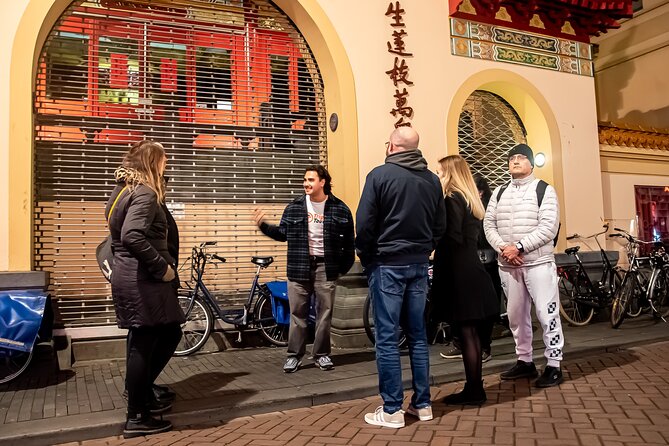
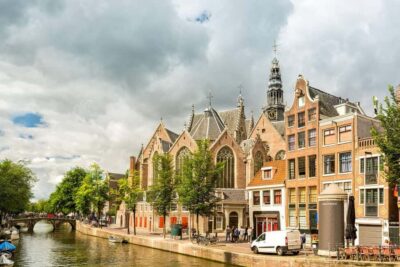
As you move further into the route, you enter parts of the Old Town that connect directly back to the area that became the Red Light District. This is the oldest part of the city, so it comes with layers.
You are not just walking from one landmark to another. You are moving through spaces that reflect how Amsterdam’s early urban pattern still shapes what happens there now. That makes De Wallen feel less like a foreign experience and more like a neighborhood with roots.
One caution: older districts mean tight streets and lots of visual stimulation. If you are prone to getting overwhelmed in busy places, go slow, take breaks when your guide offers them, and ask questions as you go.
Pub The Ape (Int Aepjen): The Wooden-Building Story After the 1452 Fire
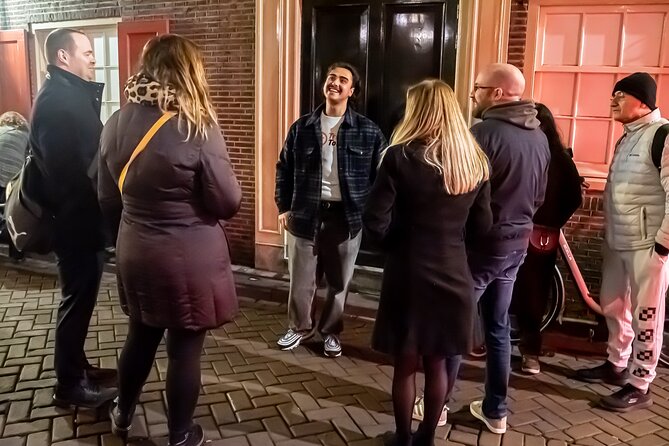
One of the route’s most interesting stops is Pub The Ape, also known as Int Aepjen in Dutch.
You learn it was built around 1540, and that it is one of only two remaining wooden buildings in Amsterdam. The reason that fact is so striking is the big fire in 1452, after which government policy shifted toward brick facades. So this pub is not just a quirky stop. It is a living reminder of a turning point in how Amsterdam’s buildings evolved.
For your visit, this kind of stop is gold because it connects architecture to policy and to disaster. You see a building type that survived when others did not, and you understand why that survival matters.
If you’re a photo person, you’ll likely want to pause here and take in details, because the wooden-building story tends to make the scene feel more real.
Waag: From City Gate to Guild Headquarters
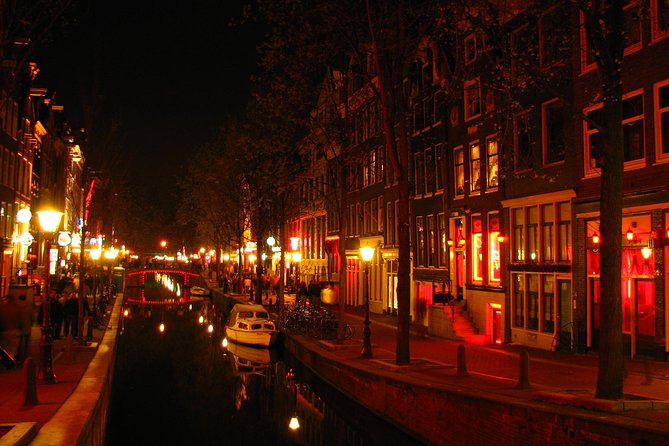
The Waag is next, a landmark tied to defense and then to trade and craft. It used to be one of Amsterdam’s city gates and was part of the defensive wall, built around the 1400s.
Later on, the Waag became a place for guilds, meaning craftsman organizations set up within the Waag and around the square. That’s an important theme for Amsterdam. The city’s identity is not just canals and art museums. It’s also the way skilled trades organized themselves and supported commerce.
Practical payoff: if you already have some interest in Amsterdam’s golden-age economy, this stop helps you connect the dots. You start seeing how architecture functioned as infrastructure, not only as decoration.
The Smallest House and the VOC Connection
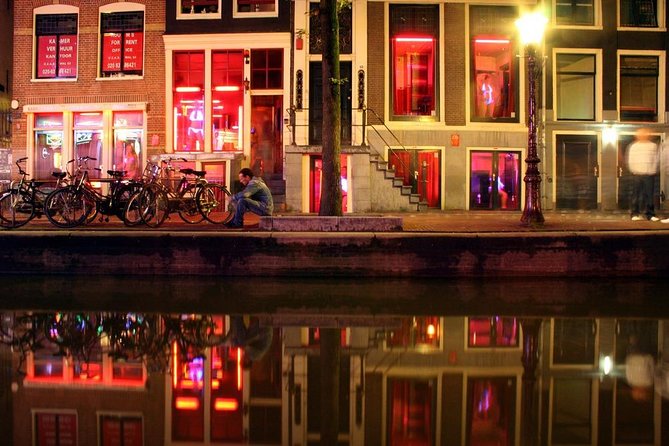
You also see the smallest house in Amsterdam, built around the 1700s. The stop comes with a story that gives it a real-world purpose beyond being a novelty.
It started as storage for the VOC trading company, then later people lived there for a long time. VOC trade is one of those topics that can feel abstract until you connect it to physical spaces, including a tiny house that carried real economic weight.
I like stops like this because they make history feel human. A small building used for storage and then housing gives you a sense of everyday life pressures in a trading hub city.
A Condom Shop Since 1987: Modern Rules and Practical Shopping
Another stop on the route is the world’s first condom shop, specifically for condoms, which has been in place since 1987. You also learn you can get customized sizes and different kinds of condoms.
That detail might sound like a punchline, but it actually fits the tour theme. Amsterdam has long treated sex and sexuality as topics under rules, commerce, and public health. Seeing this shop stop in the middle of the route reminds you the city does not only handle the adult district with secrecy or myth. It handles it with business and systems.
You probably will not need to buy anything, but it helps you interpret why De Wallen and the broader city culture coexist the way they do.
Guides Who Keep It Clear, Including Robin, Gio, and Aaron
The biggest reason a walking tour like this works is the guide. Here, you’re dealing with sensitive topics and a district that can shift quickly depending on street flow.
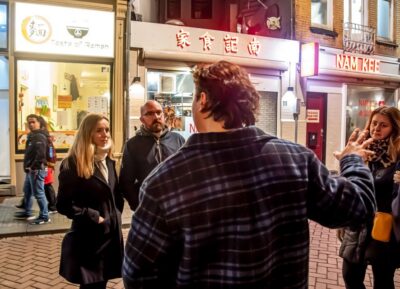
I’m drawn to guides who balance factual explanations with group management. In this tour, I’ve seen names like Robin connected with friendly, knowledgeable delivery, and Gio linked to making the experience one you remember. Aaron stands out for keeping track of the whole group and for actively engaging people, including making sure everyone had space to ask questions.
That kind of guide behavior matters. When you feel safe asking, you learn more. When the group stays together, you do not miss key explanations. And when the tone stays respectful, De Wallen becomes informative instead of awkward.
Price and Value: Is $31.24 Worth It?
At $31.24 per person for about 2 hours, the value depends on what you want from Amsterdam.
You are paying for more than walking. You’re paying for an organized explanation of a district that many visitors only experience through myths. Admission ticket fees are listed as free for the main stop, so you’re not paying extra site fees on top of the guide.
The group cap of 16 also matters. In a small group, you get better odds of Q and A and you spend more time hearing explanations instead of waiting for crowd control.
If you’re the kind of traveler who likes to understand local rules, not just see sights, this price makes sense. If you already know most of the background and you just want photos, a general Old Town tour might feel cheaper per minute. But for most people, the guide-led clarity is exactly what turns the district into a meaningful stop.
Who Should Book This Tour, and Who Should Skip
This tour is a strong match if you want a balanced orientation to Amsterdam that includes the city’s adult side in a factual way. It’s also a good fit early in your trip because it combines De Wallen with core Old Town landmarks.
It may not be your best choice if:
- You need a strictly limited-mature-content experience
- You have limited mobility, since it is not recommended
- You get uncomfortable with night walking through dense streets
If you do book it, set your expectations that you’ll be learning how the city manages rules, history, and culture side by side. That mindset will make the tour feel useful, not just entertaining.
Should You Book It? My Practical Verdict
Book it if you want to understand Amsterdam, not just take a quick look at a famous attraction. The route is short enough to fit into a busy itinerary, but it covers key story layers: adult district rules at night, Amsterdam’s engineering behind the scenes, and historic buildings like the Waag and Pub The Ape.
Skip it if you are easily thrown off by adult-themed content or if you strongly prefer daylight-only city sightseeing. And if night streets make you anxious, choose a start time you feel comfortable with and wear shoes that let you move confidently.
If you’re on the fence, a smart approach is to pair this with a daytime canal or museum day next. Then your Amsterdam picture becomes complete: old foundations, old trade, and the rules the city uses to manage modern realities.
FAQ
How long is the Amsterdam Red Light District and City Center walking tour?
The tour is about 2 hours.
How much does the tour cost?
It costs $31.24 per person.
Where does the tour start and end?
It starts at Geldersekade 2, 1012 BH Amsterdam and ends back at the same meeting point.
Is the tour offered in English?
Yes, it is offered in English.
Is free cancellation available?
Yes. You can cancel up to 24 hours in advance for a full refund.
Is the tour accessible for travelers with limited mobility?
It is not recommended for travelers with limited mobility, though service animals are allowed and it is near public transportation.
Newest bookings around Amsterdam
- Amsterdam-West Food Tour with local guide★ 5.0 · 16 reviews
- Amsterdam Breakfast Cruise on Private Luxury Boat★ 5.0 · 5 reviews
- Amsterdam: Explore the Van Gogh Museum & His Masterpieces★ 3.5 · 64 reviews
- Van Gogh Museum Tour excluding Entrance Tickets★ 5.0 · 16 reviews
- Van Gogh Museum with Audio Guide★ 3.5 · 80 reviews
- Van Gogh Museum Ticket with Audio Guide and Unlimited Access Time★ 5.0 · 25 reviews
- Van Gogh Museum Entry Ticket and Guided Tour★ 4.5 · 48 reviews
- Van Gogh Museum Private Tour★ 5.0 · 5 reviews
Red Light District Tours, compared.

Amsterdam Red Light District & Coffee Shop Tour
Read our review →
Red Light District Pub Crawl with Unlimited Shots
Read our review →
Private Amsterdam Red Light District and Coffee Shop Tour
Read our review →
Browse the lists this tour appears in