
REVIEW · CHEESE TASTING TOURS
Amsterdam: Make your cheese next to De Hallen
Make cheese with your hands, right in Amsterdam. This workshop at De Kaasserie is a clear, practical way to learn the basics of cheesemaking, then turn that learning into two take-home cheeses. You do it in a small group, with an instructor who keeps the pace friendly and the steps understandable.
I especially like the structure: a short intro presentation, quick group introductions, then right into the real work. You get to make an acid-coagulated cheese and a rennet-coagulated cheese using two liters of milk, and you also get to play with spices and herbs.
One consideration: it is not suitable for people with lactose intolerance, since it uses milk and includes tasting.
In This Review
- Key Things I’d Highlight Before You Go
- De Kaasserie by De Hallen: What the Setting Means for Your Time
- 3 Hours of Cheesemaking: The Flow You’ll Follow
- Acid-Coagulated vs Rennet-Coagulated Cheese: The Science Behind the Skill
- Using Spices and Herbs: Turning a Basic Result into Your Own Style
- The Hands-On Tasting: Fresh and Pressed Means You Actually Understand Texture
- What You Take Home: Materials That Let You Repeat the Craft
- Price and Value: Is $135 for 3 Hours Reasonable?
- Small Group Learning: Why the Limit to 10 People Matters
- Who This Workshop Is Best For (and Who Might Skip It)
- Practical Tips Before You Book
- Should You Book This Amsterdam Cheese Workshop?
- FAQ
- How long is the cheesemaking workshop?
- What will I make during the workshop?
- Do I get to add flavors to the cheese?
- What do I take home at the end?
- Are coffee or alcoholic beverages included?
- Is it suitable for lactose intolerance?
Key Things I’d Highlight Before You Go
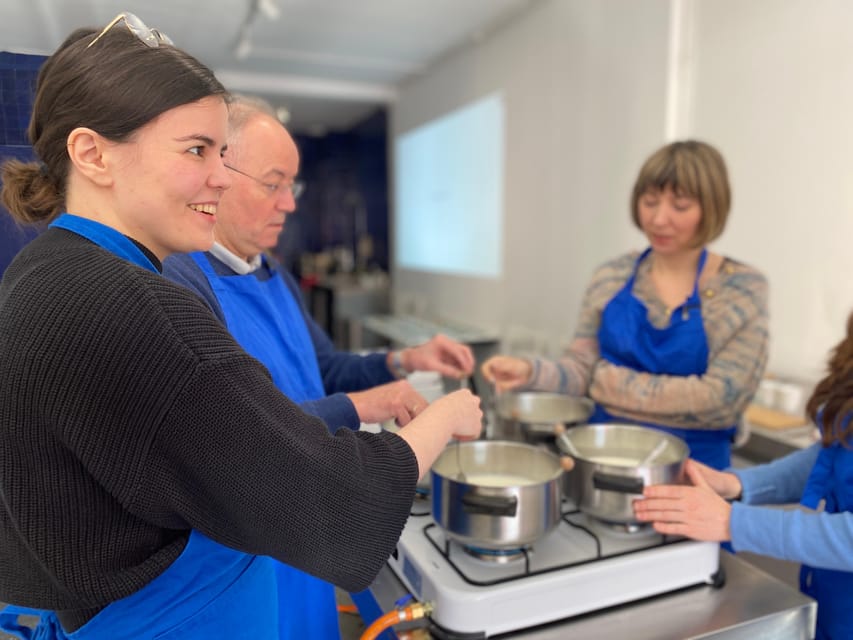
- Two coagulation methods, one workshop: acid coagulation for a fresh style and rennet coagulation (the basis for aged cheese).
- You leave with the equipment and ingredients basics: cheese cloth, rennet, calcium, and recipes by email.
- Small group size helps you get answers: limited to 10 participants, so questions do not get lost.
- A tasting that shows your results clearly: fresh plus pressed cheese at the end.
- Instructor-led but experiment-friendly: you add spices and herbs, not just follow one plain version.
- Language support is broad: English, Spanish, French, and Dutch.
De Kaasserie by De Hallen: What the Setting Means for Your Time
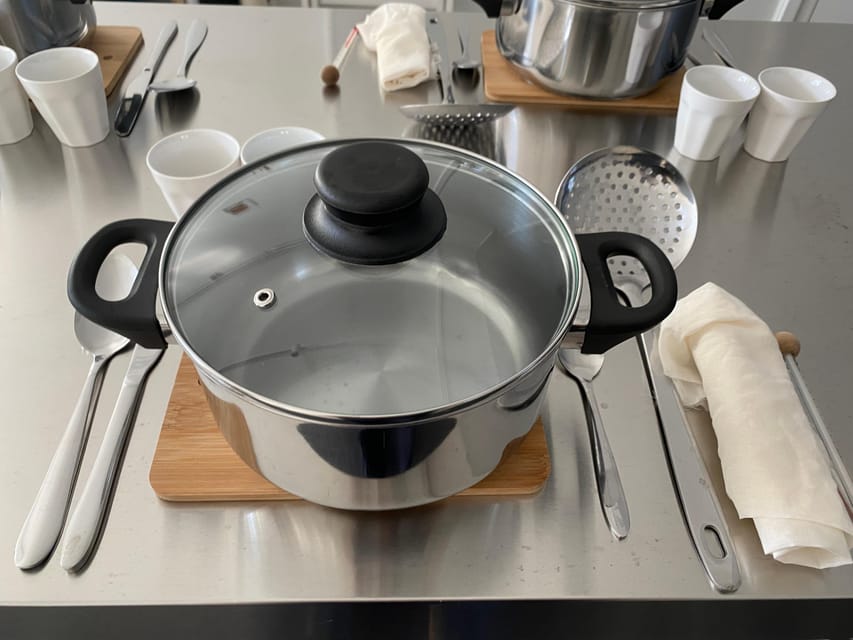
This is the kind of Amsterdam experience that fits into a normal travel day without drama. The workshop meets at De Kaasserie, in the North Holland area near De Hallen, so you can plan it as a concentrated, hands-on activity instead of yet another museum stop.
What matters most here is the vibe you get from a cheese workshop done in a dedicated space. You are not just watching from a chair. You are using your hands, measuring and working with milk, and learning why each step exists. That makes the craft feel reachable, not like some complicated hobby reserved for experts.
Also, the format is designed for small-group participation. Limited to 10 people means you can ask questions and you are not stuck waiting for the group to catch up. That matters because cheesemaking is equal parts science and timing, so clarity during the hands-on portion helps you get good results.
More cheese tastings in Amsterdam:
- Amsterdam Classic Saloon Boat Cruise with Drinks and Cheese
★ 5.0 · 31,825 reviews - Amsterdam: Classic Saloon Boat Cruise with Cheese & Wine
★ 4.6 · 27,035 reviews - Amsterdam: Guided Zaanse Schans, Windmills & Cheese Tour
★ 4.4 · 4,826 reviews
3 Hours of Cheesemaking: The Flow You’ll Follow
The workshop runs for about 3 hours and moves through a full cycle: learn, make, wait, taste. You start at De Kaasserie, and once everyone is there, the instructor gives an introduction to the space and the workshop contents.
From there, you get the key learning you need before you touch anything complicated. You’ll learn about two basic types of milk coagulation, and you’ll understand what changes when the milk sets and how that links to fresh versus aged outcomes.
Then comes the hands-on part, which is straightforward and easy to grasp. You use one liter of supermarket milk to make one acid-coagulated cheese and another liter to make a rennet-coagulated cheese. Two milk cartons become two pieces of cheese, both fresh kinds, so you get immediate feedback on how each method feels and performs.
Finally, once the two cheeses are ready, you finish with a tasting of homemade cheeses, including fresh and pressed options. It’s not just a ceremonial bite. It’s a quick way to connect what you did to what you taste.
Acid-Coagulated vs Rennet-Coagulated Cheese: The Science Behind the Skill
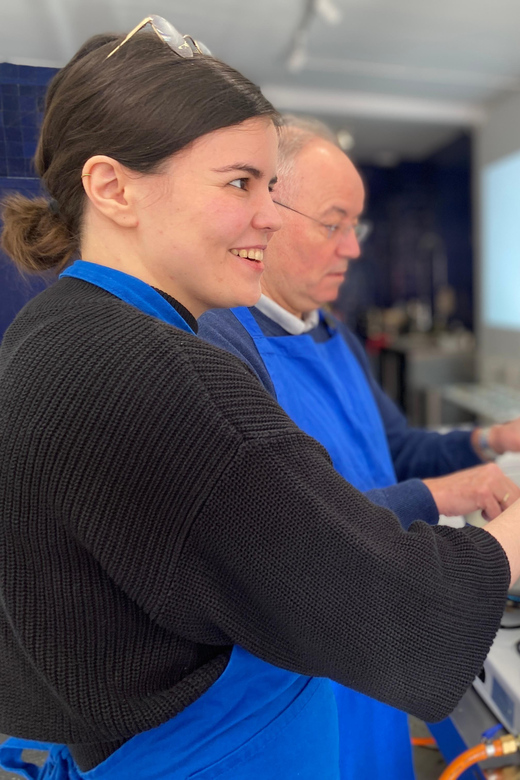
Here’s what makes this workshop more than a cooking class. It teaches the principle behind the transformation, not just the steps.
You’ll work with two different coagulation methods:
1) Acid coagulation
You use supermarket milk and convert it into a fresh cheese through acidity. In practical terms, this is your entry point into the idea that milk can set and form curds by changing its chemistry.
2) Rennet coagulation
You use rennet to coagulate another liter of milk. The workshop specifically notes that rennet coagulation is the procedure used to make aged cheese.
That last detail is the payoff. Even though you make fresh cheeses during the workshop, you are learning the process used for aged cheese, so the workshop becomes a foundation you can build on later at home. This is why the instruction is framed as a skill you can continue, not a one-time event.
And because you are making both types in the same session, you can actually compare how the two approaches differ in outcome and feel. That comparison sticks in your memory, because you live it rather than reading about it.
Using Spices and Herbs: Turning a Basic Result into Your Own Style
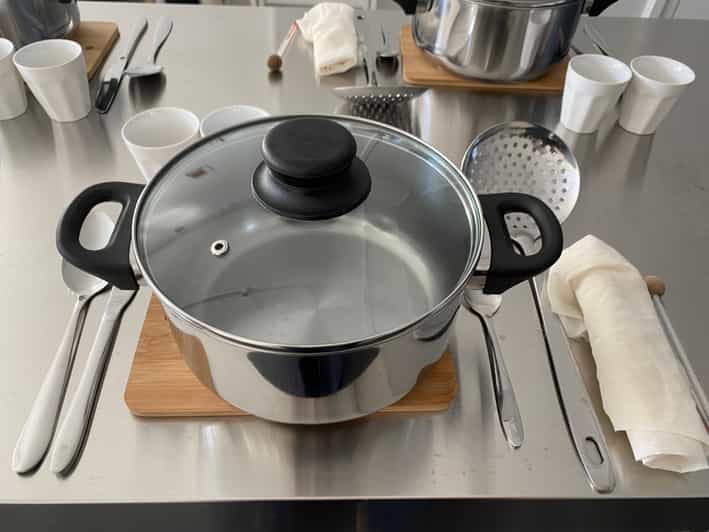
The workshop also gives you a chance to personalize the process. You will experiment with adding spices and herbs to your cheese.
This part is small in time, but big in value. It’s where the craft shifts from following a technique to thinking like a maker. Even if you keep it simple, you start learning how flavor can be added without changing the whole structure of the cheese.
If you like food that tastes like someone cared, this is the moment. You are not just producing a generic wedge. You are making a version that reflects your own tastes, and that makes the final tasting more satisfying.
You’ll also have the advantage of having learned the base technique first. So if you want to repeat the process later, you know the flavor step is something you can control, not something you guess at blindly.
A handful of other Amsterdam outings
- Amsterdam: Van Gogh Museum Ticket
★ 4.7 · 52,054 reviews - Amsterdam: Heineken Experience Ticket including 2 Drinks
★ 4.6 · 36,014 reviews - Amsterdam Luxury Canal Cruise + Unlimited Drinks & Bites option
★ 5.0 · 30,518 reviews - Amsterdam: Rijksmuseum Entry Ticket
★ 4.7 · 29,512 reviews
The Hands-On Tasting: Fresh and Pressed Means You Actually Understand Texture
The finale is a tasting of homemade cheeses once the two pieces of cheese are ready. The tasting includes fresh and pressed cheese.
This matters because texture is where many cheesemaking lessons become real. Fresh cheese and pressed cheese can behave differently, and you get a direct sensory reference for what those differences mean.
You also take that tasting home in your head. After you’ve tasted and connected it to the steps you performed, you will have an easier time recreating the process later. Instead of relying on memory, you can rely on your own palate and your own experience.
The take-home portion makes this even more practical. You do not just eat during the session. You leave with the results, so you can keep tasting and comparing once you’re back at your accommodation.
What You Take Home: Materials That Let You Repeat the Craft
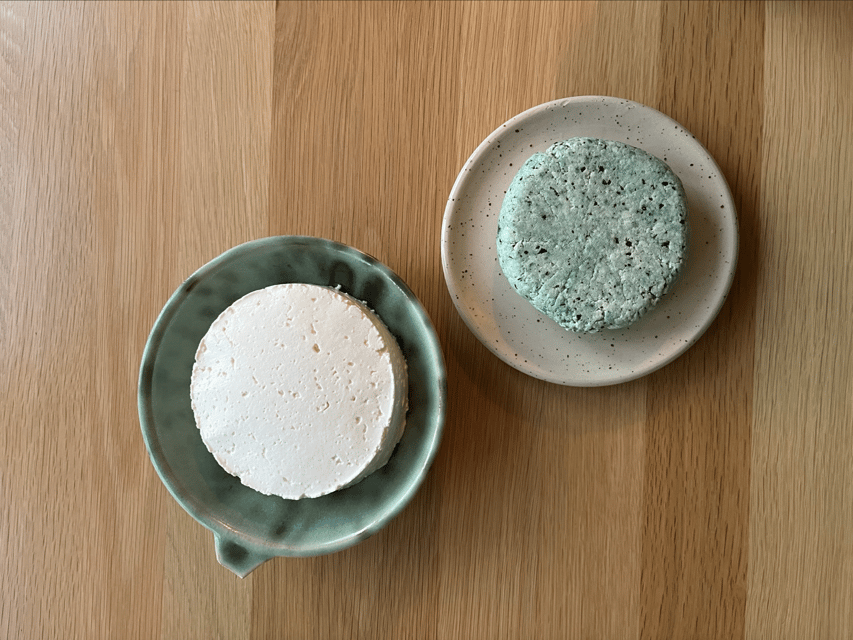
At the end of the workshop, you are encouraged to experiment with cheese-making at home. That encouragement is backed by what’s included.
You take home two cheeses, plus a cheese cloth. You also receive rennet and calcium. Recipes are sent to you by email, which gives you a future path instead of just a short-lived workshop memory.
This is a smart inclusion for a couple reasons.
First, cheese is not a “one ingredient and done” craft. Rennet and calcium are core to the rennet-based and controlled coagulation steps. Bringing them with you lowers the friction if you decide to try again.
Second, the recipes being sent to you by email helps you revisit instructions when you are actually cooking. You are not trying to rely only on what you remember in the moment.
And third, taking home the two cheeses gives you a reference point. You can compare what you did with what you made, even after the workshop ends.
Price and Value: Is $135 for 3 Hours Reasonable?
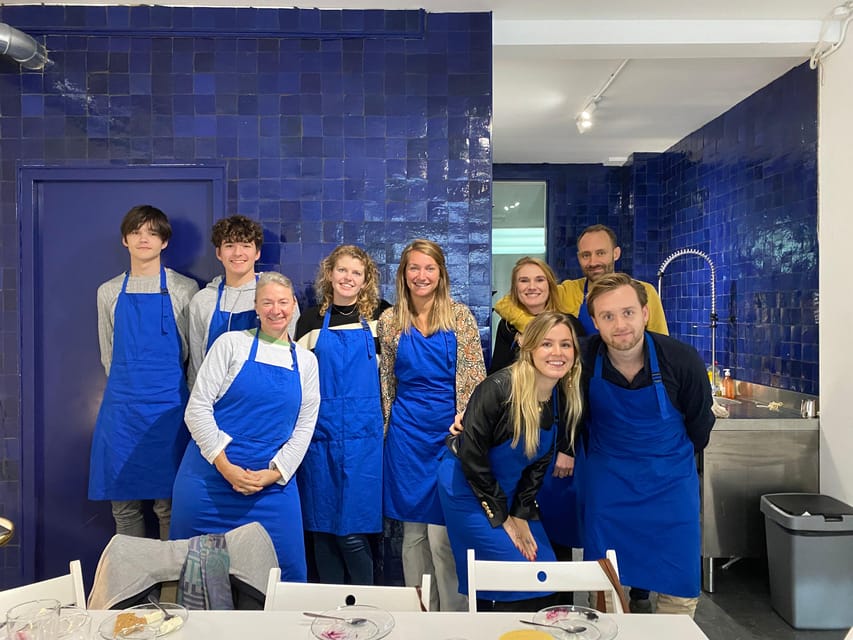
The price is $135 per person for a 3-hour experience. That can sound steep at first, until you look at what you are actually getting.
You get:
- Instruction on two coagulation methods (acid and rennet)
- Hands-on participation making two cheeses from supermarket milk
- A guided tasting of fresh and pressed cheese
- Take-home items: two cheeses, cheese cloth, rennet, calcium
- Recipes by email
- A small group limited to 10 people
So yes, you pay for the teaching and the included materials. But the value is also in the fact that you leave with the ingredients and the results, not just a class experience. You get a foundation skill that can turn into repeat at-home projects.
Also, the duration is short enough to keep it from becoming a whole-day commitment. Three hours is enough time to learn the core idea, do the hands-on making, and still taste your outcomes before you go.
One practical note on value: tea is included, but coffee or alcoholic beverages are not included. If coffee or wine is part of your usual routine, you may want to plan something before or after the workshop.
Small Group Learning: Why the Limit to 10 People Matters
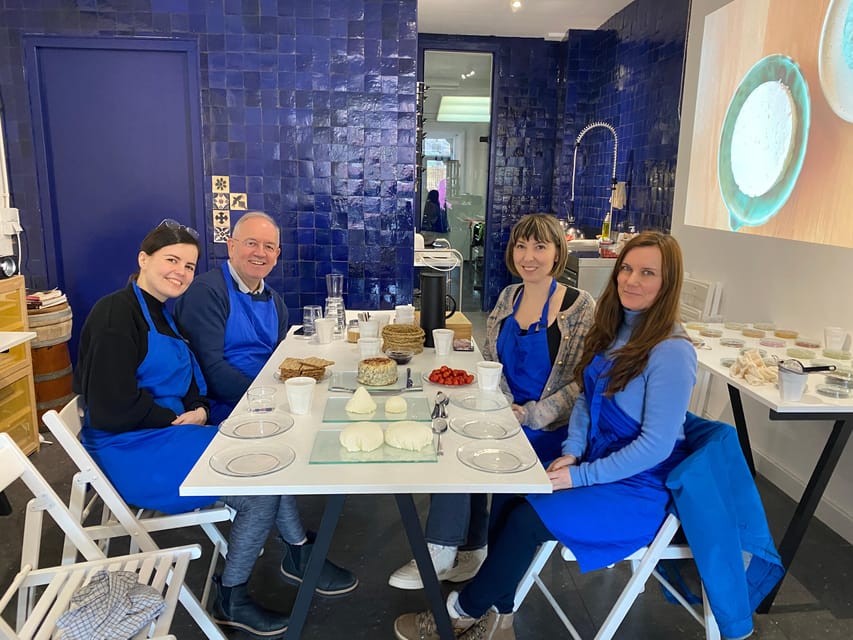
This is limited to 10 participants, and that changes how the class feels. In a small setting, you are more likely to get direct help at the exact moment you need it.
Cheesemaking has plenty of tiny moments where timing matters. Even when the steps are explained clearly, you benefit from the chance to ask questions right away. With fewer people, the instructor can check in without the group feeling rushed or left behind.
The reviews backing this type of workshop format align with what you would hope for: a knowledgeable, personable instructor and a group size that feels workable. Paula, the instructor named in feedback, is highlighted for being approachable and for using a short slide presentation plus introductions to help everyone settle in.
That combination, short theory first and then hands-on work, is a strong way to keep a craft class from feeling vague.
Who This Workshop Is Best For (and Who Might Skip It)
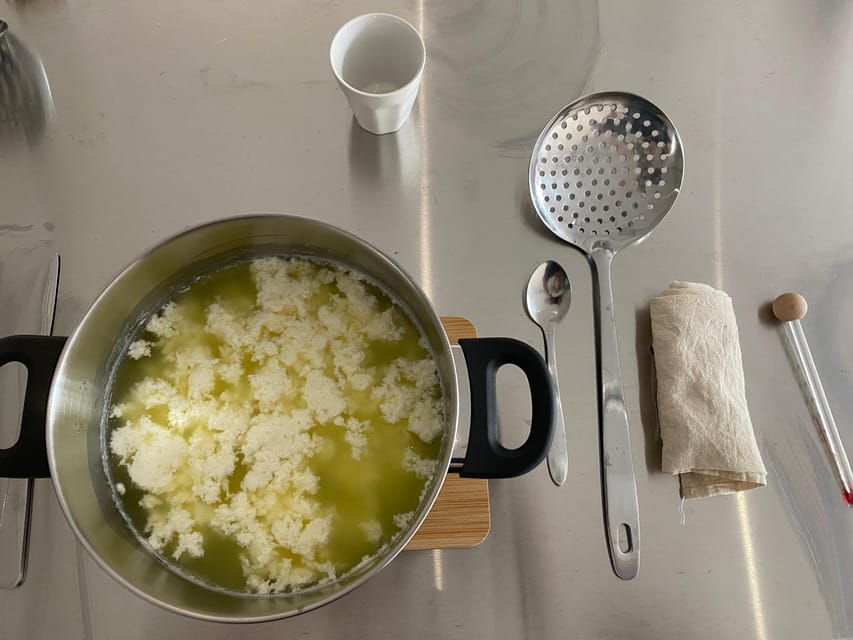
This workshop is a great match if you want a skill, not just a meal. If you like making things with your hands, enjoy food science basics, or want a fun rainy-day or indoor Amsterdam plan, you will likely enjoy it.
It’s also a strong fit if you plan to keep learning at home. The workshop’s focus on rennet coagulation as the procedure used for aged cheese is exactly the kind of clue that turns beginners into future experimenters. You learn the foundation first, then you can move toward more complex and longer recipes later.
You should skip this experience if:
- You have lactose intolerance, since it uses milk and includes cheese tasting.
- You’re traveling with children under 16, since it is not suitable for them.
- You are over 95 years old, since it is not suitable for people over that age.
If you fall in the allowed range, this is also a good solo or couple activity. The group is small enough to feel social, but structured enough that you are not stuck in awkward small talk all session.
Practical Tips Before You Book
A few small things can help you get more from the workshop once you arrive.
- Bring your curiosity: ask questions as soon as you are unsure about a step. With a group limited to 10, you will usually have room to do that.
- Think in terms of comparison: you are making both acid-coagulated and rennet-coagulated cheeses. Plan to taste them with the idea of learning the differences.
- Plan your day around tasting and take-home: you’ll leave with two cheeses, so consider how you’ll store them and how that fits your walking plan afterward.
- Don’t assume cafe comforts: tea is included, but coffee and alcoholic beverages are not.
Also, the instructor teaches in English, Spanish, French, and Dutch. If you have a strong preference, choose the option that matches your language so you can follow details without effort.
Should You Book This Amsterdam Cheese Workshop?
I’d book it if you want a hands-on food skill you can actually repeat at home. The workshop gives you both the why and the how: two coagulation methods, a basic science framework, then real cheese you can taste and take away.
I’d be cautious if you are lactose intolerant, and I’d plan around the fact that you get tea but not coffee or alcohol. If you’re looking for a light, purely observational experience, this is likely more active than that.
If your goal is value in the practical sense, this checks the boxes. You pay $135 for a 3-hour session, and you leave with take-home cheeses plus the tools and ingredients basics, along with recipes by email. That turns your trip into something you can continue after you go home.
FAQ
How long is the cheesemaking workshop?
The duration is 3 hours.
What will I make during the workshop?
You will make two cheeses: one acid-coagulated cheese and one rennet-coagulated cheese.
Do I get to add flavors to the cheese?
Yes. You can experiment with adding spices and herbs to your cheese.
What do I take home at the end?
You take home two cheeses, a cheese cloth, rennet, calcium, and you receive the recipes by email.
Are coffee or alcoholic beverages included?
No. Tea is included, but coffee and alcoholic beverages are not included.
Is it suitable for lactose intolerance?
No. It is not suitable for people with lactose intolerance.
Newest bookings around Amsterdam
- Amsterdam Breakfast Cruise on Private Luxury Boat★ 5.0 · 5 reviews
- Amsterdam-West Food Tour with local guide★ 5.0 · 16 reviews
- Amsterdam: Explore the Van Gogh Museum & His Masterpieces★ 3.5 · 64 reviews
- Van Gogh Museum Tour excluding Entrance Tickets★ 5.0 · 16 reviews
- Van Gogh Museum with Audio Guide★ 3.5 · 80 reviews
- Van Gogh Museum Ticket with Audio Guide and Unlimited Access Time★ 5.0 · 25 reviews
- Van Gogh Museum Entry Ticket and Guided Tour★ 4.5 · 48 reviews
- Van Gogh Museum Private Tour★ 5.0 · 5 reviews
Cheese Tasting Tours, compared.

Amsterdam Classic Saloon Boat Cruise with Drinks and Cheese
Read our review →
Classic Saloon Boat Cruise with Cheese & Wine
Read our review →
Guided Zaanse Schans, Windmills & Cheese Tour
Read our review →
Zaanse Schans Windmills, Clogs and Dutch Cheese Small-Group Tour from Amsterdam
Read our review →
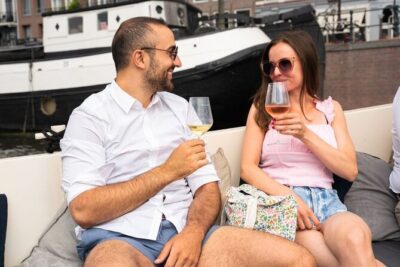
Evening Candle Light Cruise With Wine & Cheese
Read our review →
Countryside Bike Tour from Amsterdam: Cheese, Clogs & a Windmill
Read our review →
Giethoorn Tour Scenic Cruise, Cheese & Free Time
Read our review →Browse the lists this tour appears in