
REVIEW · HIDDEN GEMS WALKING TOURS
Amsterdam: History, Hidden Gems & Future Eco-Walking Tour
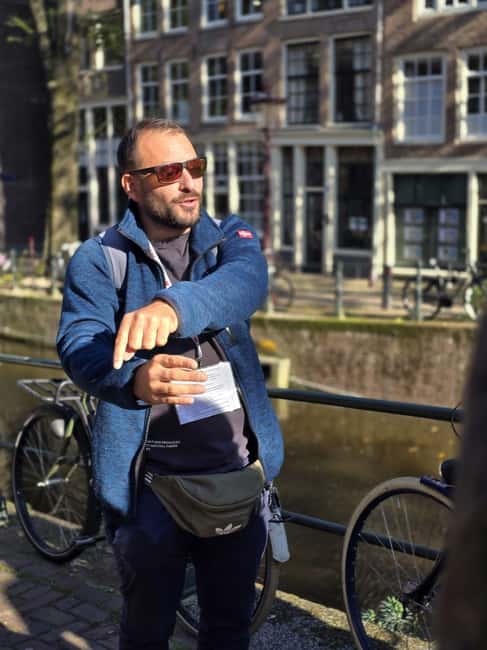
Amsterdam clicks when you follow the water. This 2-hour, small-group walk (max 8) threads 750 years of change through chalk diagrams, street-level maps, and iPad overlays, so the city feels less like a postcard and more like a living system. You even end with a handwritten postcard from historic A’Dam.
I especially like two things. First, the guide makes the Dutch fight with water feel practical, not textbook, with chalk on the street and historical maps. Second, the iPads overlay Golden Age paintings onto today’s streets, so you can literally see the past layered over the present.
One thing to consider: this is a cobblestone walk. If your feet get unhappy on uneven stone, wear the most comfortable shoes you own and dress for quick weather shifts with layers.
In This Review
- Key things you’ll notice on this tour
- Why this 2-hour walk starts with water, not sights
- Meeting in Kattengat: the small-group vibe you’re paying for
- Chalk on the street, historical maps, and Amsterdam’s water engineering
- iPads overlaying the Golden Age: seeing the past where it happened
- From WWII resilience to 1970s culture: a timeline with a point
- The green mindset: education, politics, and what sustainability looks like on foot
- Quiet routes, secret courtyards, and how you avoid the crowd drag
- Tips, pace, and what you learn from Antonis
- The handwritten A’Dam postcard and where to go next
- Price and value: what $29 buys you in Amsterdam
- What to bring (and what to skip)
- Should you book this eco-walking tour?
- FAQ
- How long is the Amsterdam History, Hidden Gems & Future Eco-Walking Tour?
- What is the price per person?
- How many people are in the group?
- Where do we meet the guide?
- What languages is the tour offered in?
- Is food or drinks included?
- What should I bring?
- Is video recording allowed?
- Is the tour refundable if my plans change?
Key things you’ll notice on this tour
- Water-first storytelling that explains why Amsterdam exists below sea level
- Chalk drawings right on the street, using real maps to connect engineering and daily life
- iPad overlays that bring Golden Age imagery back into the exact modern streets
- WWII to 1970s culture told as a through-line, not random facts
- Quiet routes and courtyards that help you enjoy the city without fighting crowds
- Antonis-style extra attention, including restaurant and neighborhood tips, and at least one tour running about an hour longer
Why this 2-hour walk starts with water, not sights
Most Amsterdam tours go straight for canals and big landmarks. This one starts where the city actually begins, with water, wind, and the engineering that made settlement possible. You learn why Amsterdam grew in a place that is constantly at risk of flooding, and you see how dikes and dams were not just infrastructure, but a way of organizing society.
That focus changes how you look at everything afterward. A canal stops being only scenery. A street feels like it has a job. Even the landscape decisions that people take for granted start to make sense as choices, tradeoffs, and long-term problem-solving.
More History Tours in Amsterdam
- Amsterdam Food and Cultural Tour with Tastings
★ 5.0 · 4,315 reviews - Amsterdam: Historic City Centre Canal Cruise
★ 4.3 · 659 reviews - Amsterdam: Haunted History and Ghost Walking Tour
★ 4.5 · 488 reviews
Meeting in Kattengat: the small-group vibe you’re paying for
You’ll meet your guide in front of De Zilveren Spiegel at Kattengat 4. Plan to arrive about 10 minutes early so you’re not rushing before the walk begins. The group stays semi-private with a maximum of 8, which matters because the tour relies on interaction, not just hearing a script.
It’s also a practical setup for asking questions. You can slow down for a street-level explanation, then get moving again. That blend of learning and walking is part of why the tour doesn’t feel like a lecture.
Chalk on the street, historical maps, and Amsterdam’s water engineering
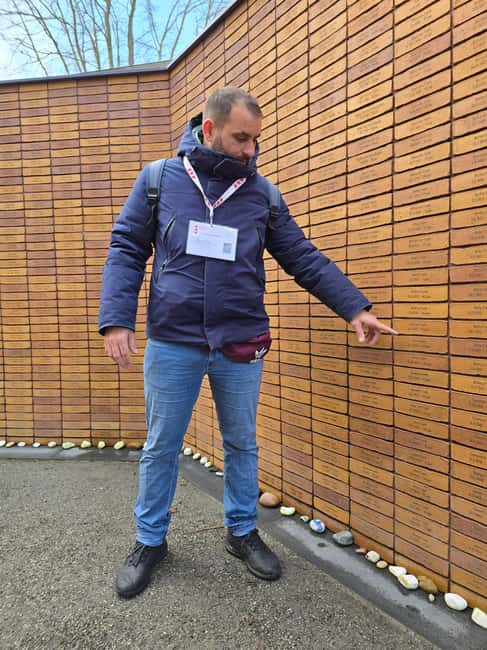
The first phase is all about the foundation of the city, and it’s built to be visual. Your guide uses chalk drawings directly on the street and pairs them with historical maps. That method is more than clever theater. It helps you understand scale and layout, especially when you’re dealing with concepts like dams, dikes, and land reclamation.
You’ll cover the story from early settlement onward, including the idea of the first dam and dikes. The tour also explains how windmills helped solve energy needs long before modern power grids. And you get the big picture theme: the Netherlands did not simply survive water problems, it built systems and decision-making around them.
If you like history that connects to how people live now, this section delivers. It turns “Amsterdam is below sea level” from a fun fact into a reason for the city’s shape, planning habits, and even civic mindset.
Practical tip: bring a reusable bottle. The tour includes guidance on where to refill with fresh Dutch water for free, so you’re not guessing where to get a drink mid-walk.
iPads overlaying the Golden Age: seeing the past where it happened
The next part shifts from survival engineering to the human story of growth. This is where the iPad feature earns its keep. Instead of stopping at one plaque after another, you’ll use iPads to overlay historical paintings onto the streets you’re standing on.
That trick helps you connect three things that can feel separate when you read about them: the city’s early expansion, the wealthy merchant world of the 17th century, and how that prosperity changed what you see in the built environment. In plain terms, you start recognizing the city as a place shaped by money, ambition, and craft.
This is also where the tour moves into the “how did we get here” timeline. The guide connects the dots between Golden Age wealth, the city’s resilience during World War II, and the explosion of liberal culture in the 1970s. Social movements and protest culture are treated as forces that shaped policy and attitude, not just background noise.
If you’re the type who likes to understand cause and effect, you’ll appreciate this structure. It’s not only what happened, it’s how one era set up the next.
More Walking Tours in Amsterdam
- Amsterdam Anne Frank: Small-Group Walking Tour & Local Guide
★ 4.8 · 12,789 reviews - Anne Frank’s Story – Guided Walking Tour through Amsterdam
★ 5.0 · 11,619 reviews - Absolutely Amsterdam – the Essential Introductory Walking Tour
★ 5.0 · 3,629 reviews - Amsterdam: Anne Frank Guided Walking Tour in DE/EN/IT/ES
★ 4.9 · 3,107 reviews
From WWII resilience to 1970s culture: a timeline with a point
Amsterdam’s 20th-century chapters can feel heavy, especially when you hear about wartime occupation and survival. This tour balances that weight with the later story of reinvention. You hear about how the city responded during WWII, then you jump forward to how the 1970s became a moment for liberal attitudes and social change.
What I like about the way it’s presented is that it doesn’t treat politics as separate from everyday life. The tour frames cultural shifts as part of how Amsterdam evolved into the city people recognize today.
And because it’s guided live, you’re not stuck reading dates off a wall. You’re hearing how different waves of change built on each other, sometimes in unexpected ways.
The green mindset: education, politics, and what sustainability looks like on foot
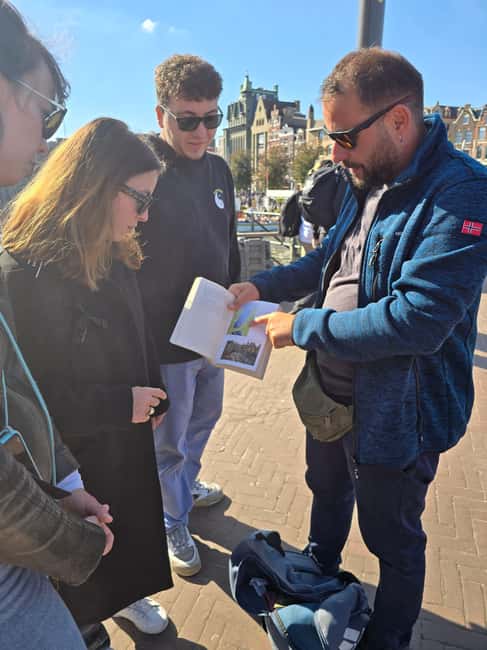
A big reason to take this tour is that it’s not only “then and now,” it’s “how thinking about the future got baked in.” The eco section focuses on Dutch sustainability through education and politics.
You’ll learn how the Netherlands approaches sustainability as something taught early, with an eco-friendly orientation that starts in childhood. Then you connect that mindset to green politics, and to decisions made over time that aim to secure what comes next.
The tour also stays practical. When you pass inspiring urban eco-details, you stop and take them in as part of daily life. This is where a city becomes more than scenery. You notice how nature and city planning overlap, and you start spotting those design choices on your own for the rest of your trip.
Quiet routes, secret courtyards, and how you avoid the crowd drag
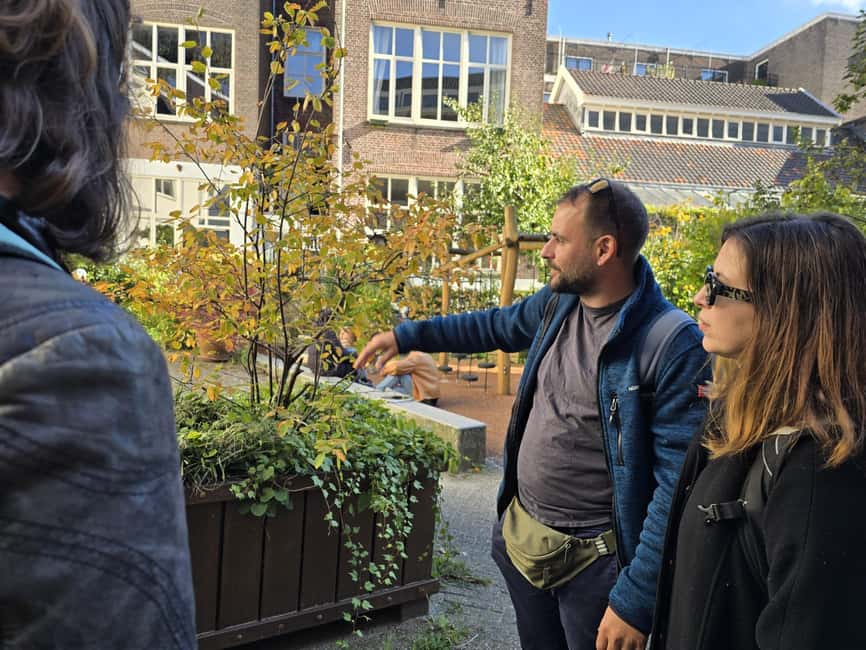
One of the most valuable parts of this tour is how it handles Amsterdam’s crowd energy. You do pass by essential landmarks, but you don’t linger in the busiest areas. Instead, the plan is to move through quieter local streets and reach small pocket spaces like secret courtyards or hidden urban gardens.
If you’ve ever tried to enjoy Amsterdam while being squeezed through crowds, you’ll get why this matters. The tour protects your attention span. You can actually hear the story because you’re not constantly fighting noise and foot traffic.
You may also encounter street musicians or local artists. The guide pauses to enjoy the moment, and that’s a nice reminder that Amsterdam is still a working city, not only an open-air museum.
Tips, pace, and what you learn from Antonis
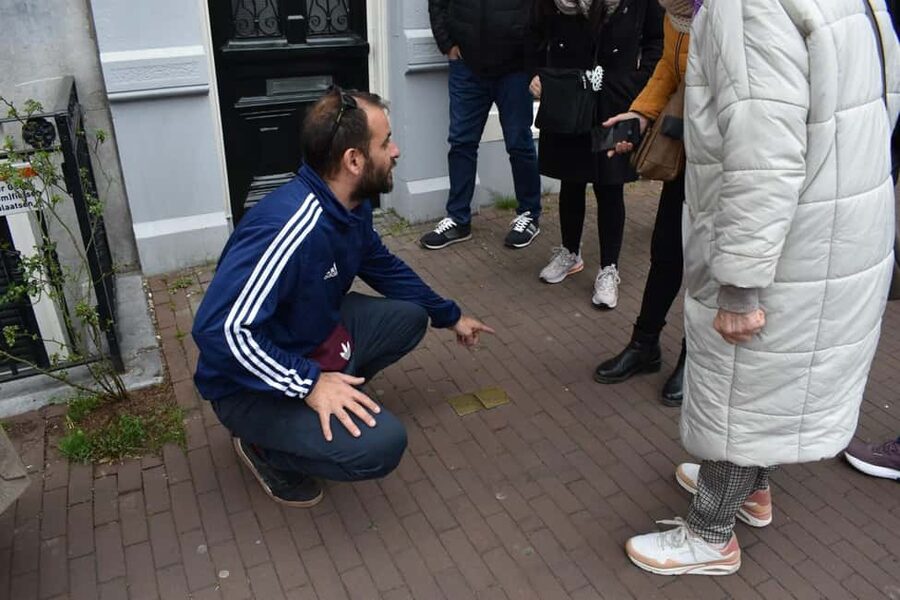
Several bookings highlight the guide’s energy and follow-through. Antonis comes across as the kind of host who really knows how to connect the dots for visitors. People describe an atmosphere that stays fun while the history and science land in a way that sticks.
One standout detail from a recent experience: Antonis extended the tour by about an hour so the group could see more. That kind of flexibility is rare, and it tells you the guide is paying attention to the room rather than watching a clock.
You can also expect useful extras. The tour includes recommendations for social impact cafes, shops, and breweries, and the guide shares practical hints for what to do after you finish. One booking also noted tips that reached beyond “tourist places,” including ideas helpful for people considering living in Amsterdam.
That’s the real value of a small-group guide. You leave with a sense of how to keep exploring in a way that feels local.
The handwritten A’Dam postcard and where to go next
At the end, you don’t just walk off into the nightlife blur. You get a handwritten postcard from historic A’Dam as a token of appreciation. It’s a small thing, but it makes the finish feel deliberate.
Then you receive a curated list of social impact places, including cafes, shops, and breweries. Even if you never follow every recommendation, having a starting point helps. It shifts you from random browsing to choices that align with the tour’s sustainability and community themes.
Price and value: what $29 buys you in Amsterdam
At about $29 per person for a 2-hour walk, this tour sits in the mid-range for Amsterdam. What makes it feel like good value is the mix of technique and payoff.
You’re paying for:
- A small group cap (max 8), which supports interaction
- Interactive tools like iPads, chalk, and maps
- A guide who links engineering, art, politics, and everyday life into one storyline
- End-of-tour recommendations so your trip doesn’t stall after the walk
It’s not a “see 10 monuments” format. It’s a “understand the city’s logic” format. If you want more than photos and canal selfies, the cost makes sense.
If you only have time for one short activity and you’re hoping for heavy museum time, you might prefer a different style of tour. But for a first or second day, this one helps you get your bearings fast.
What to bring (and what to skip)
This walk is built for comfortable movement. Wear shoes that can handle cobblestones without complaint. Bring a camera if you want photos. Dress in layers because Dutch weather can change quickly.
Also note: video recording is not allowed. Still photography should be fine, but if you use your phone for video a lot, plan on leaving that feature off.
Should you book this eco-walking tour?
Yes, if you want Amsterdam to make sense fast. This tour is a strong pick for first-time visitors, history lovers who like visual storytelling, and anyone interested in how sustainability and politics shape the places you walk through.
It’s also a smart choice if you hate crowd-heavy sightseeing. The quiet streets and courtyard stops make the tour feel calmer, and the small group size supports a more human experience.
Skip it only if you strongly dislike walking cobblestones or you expected a purely landmark-based route with lots of long stops. For everything else, it’s a practical, thoughtful way to see Amsterdam’s past and future in the same breath.
FAQ
How long is the Amsterdam History, Hidden Gems & Future Eco-Walking Tour?
The tour lasts 2 hours.
What is the price per person?
The price is listed as $29 per person.
How many people are in the group?
The tour is limited to a maximum of 8 participants.
Where do we meet the guide?
Meet your guide in front of De Zilveren Spiegel at Kattengat 4.
What languages is the tour offered in?
The live tour guide speaks English and Greek.
Is food or drinks included?
Food and drinks are not included.
What should I bring?
Bring comfortable shoes (you will walk on cobblestones), a camera if you want photos, water, and weather-appropriate clothing in layers.
Is video recording allowed?
No, video recording is not allowed.
Is the tour refundable if my plans change?
You can cancel up to 24 hours in advance for a full refund.
More Historical Tours in Amsterdam
- Amsterdam High-End Dutch Food & History Tour – Up to 8 guests
★ 5.0 · 482 reviews - From Amsterdam: Volendam Heritage & Cheese Half-Day Tour
★ 4.4 · 461 reviews - Amsterdam: Historic City Sightseeing Canal Cruise
★ 4.5 · 444 reviews - Amsterdam: Historical Highlights Walking Tour with Tasting
★ 4.6 · 381 reviews
More Hidden-Gem Walks in Amsterdam
- Small Group Guided Bike Tour of Amsterdam’s Hidden Gems
★ 5.0 · 3,936 reviews - Amsterdam: Hidden Gems & Highlights Guided Bike Tour
★ 4.8 · 1,404 reviews - Amsterdam City Highlights and Hidden Gems – Private & Custom Tour
★ 5.0 · 231 reviews - Amsterdam Private Tour: Highlights & Hidden Gems by Bike or Foot
★ 5.0 · 164 reviews
Newest bookings around Amsterdam
- Amsterdam Breakfast Cruise on Private Luxury Boat★ 5.0 · 5 reviews
- Amsterdam-West Food Tour with local guide★ 5.0 · 16 reviews
- Van Gogh Museum Tour excluding Entrance Tickets★ 5.0 · 16 reviews
- Van Gogh Museum with Audio Guide★ 3.5 · 80 reviews
- Amsterdam: Explore the Van Gogh Museum & His Masterpieces★ 3.5 · 64 reviews
- Van Gogh Museum Ticket with Audio Guide and Unlimited Access Time★ 5.0 · 25 reviews
- Van Gogh Museum Entry Ticket and Guided Tour★ 4.5 · 48 reviews
- Van Gogh Museum Private Tour★ 5.0 · 5 reviews
Hidden Gems Walking Tours, compared.

Small Group Guided Bike Tour of Amsterdam’s Hidden Gems
Read our review →
Amsterdam City Highlights and Hidden Gems – Private & Custom Tour
Read our review →
Amsterdam Private Tour: Highlights & Hidden Gems by Bike or Foot
Read our review →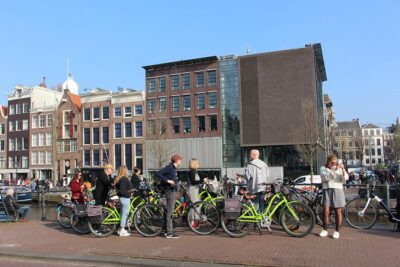
E-Bike Tour, Amsterdam’s Highlights and Hidden Gems
Read our review →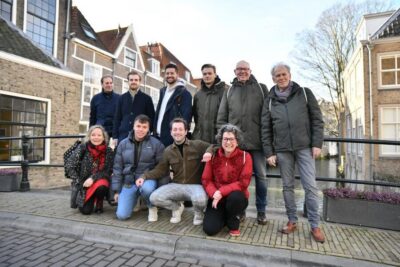

Amsterdam’s Hidden Gems and Street Art Bike Tour
Read our review →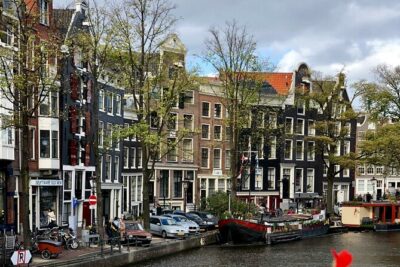
Personalized Hidden Gems of Amsterdam Private Tour with a Local
Read our review →Browse the lists this tour appears in