
REVIEW · REMBRANDT & DUTCH MASTERS TOURS
Amsterdam: Fabrique des Lumières Dutch Masters Ticket
Big paintings, moving walls of light.
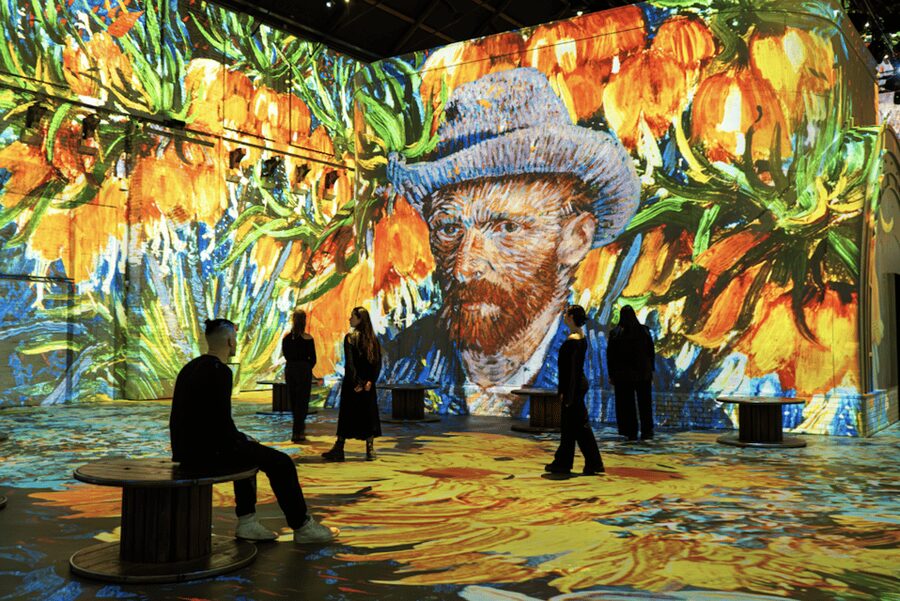
At Fabrique des Lumières, I like how Dutch Masters turn into sound-and-light scenes, and I also love the 17-meter-high industrial space that makes the artwork feel bigger than life. My only real caution is comfort: the show can run cold, and a lot of the viewing is done from the floor.
You also need to plan timing carefully, because the exhibition starts exactly at your booked slot and is shown only once that day. Doors open 15 minutes early, and once the show begins, you are in for the ride, so grab what you need, then settle in.
In This Review
- Key things to know before you go
- Fabrique des Lumières: what this place really is
- Dutch Masters timing rules that affect your plan
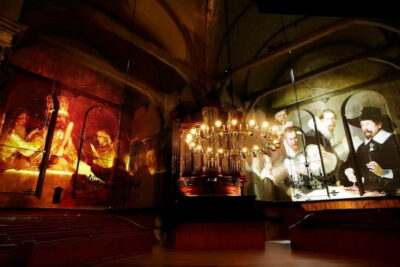
- The main show: 3,800m² of projections on 17-meter walls
- Where the experience can feel different than a museum
- The room-to-room flow, including the mirror room
- The Mondriaan short programme: why the ending hits
- Comfort, crowd energy, and smart ways to time your visit
- Price and value: how $21 stacks up in Amsterdam
- Who should book, and who might prefer something else
- Should you book the Amsterdam Dutch Masters ticket?
- FAQ
- How long is the Fabrique des Lumières Dutch Masters experience?
- When is the Dutch Masters exhibition available?
- Do I need to arrive before my booked time?
- Is a guide included with the ticket?
- Can I bring luggage, large bags, or pets?
- Is this venue wheelchair accessible?
Key things to know before you go
- It runs on strict time slots: your show starts exactly when your slot says.
- First and last time slots only: the Dutch Masters programme is limited to those times.
- Big rooms, big projections: up to 3,800m² of artwork across towering walls.
- Music is part of the art: light projections sync with an accompanying soundtrack.
- Mondriaan finale included: a short follow-up programme focuses on his move toward neoplasticism.
- No going back for basics: you use lockers, but once you enter the exhibition area, don’t plan on leaving.
Fabrique des Lumières: what this place really is
Fabrique des Lumières is a digital art centre set in Westergas Park, inside a former industrial building. The big draw is that you are not looking at paintings behind glass, you are standing inside the artwork, surrounded by projection walls that rise extremely high.
This is also one of the rare art experiences that works well even if you are not a “museum person.” If you already know Vermeer, Rembrandt, or van Gogh, the show gives you a fresh angle. If you do not, the emotional pull still lands because the music and pacing do the heavy lifting.
You should think of it as a full sensory performance built around Dutch Masters, with the visuals leading and the sound reinforcing the mood. That mix is why it feels different from a typical gallery visit.
More Rembrandt and Dutch Masters bookings:
- Amsterdam: Rembrandt House Museum Entrance Ticket
★ 4.7 · 3,385 reviews - Amsterdam: Van Gogh & Rembrandt Captivating Experience Entry
★ 4.3 · 615 reviews - Rembrandt House Museum Amsterdam Entrance Ticket
★ 4.5 · 355 reviews
Dutch Masters timing rules that affect your plan
The biggest practical detail is the timing. The Dutch Masters exhibition is only available during the first and last time slot of the day, and your entry time matters because the show is shown only once.
Doors open 15 minutes before your booked start time, so build in time for entry, finding the locker area, and getting settled. One review notes the building can be a bit hidden away, and traffic can be heavy, so you want a buffer if you are coming by tram or taxi.
Also, do not assume you can pop back out mid-show. Some visitors report that once you are in, you cannot return to the lockers, so keep your essentials on you before you enter the exhibition space. If you need tissues, a charger, or warm layers, grab them early.
The main show: 3,800m² of projections on 17-meter walls
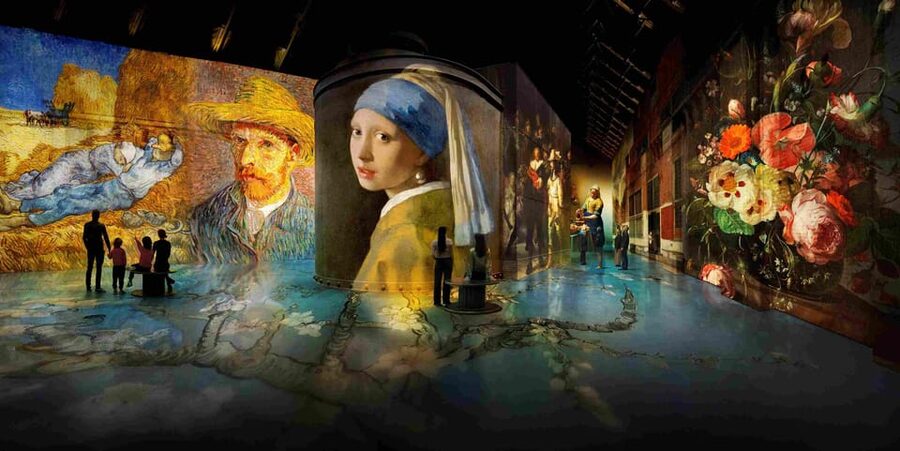
The core experience presents works by Vermeer, van Gogh, Rembrandt, and Mondriaan, with classical, modern, and contemporary pieces shown in a projection programme. You move through separate rooms, and each room has its own theme and visual sequence, so the pace keeps shifting.
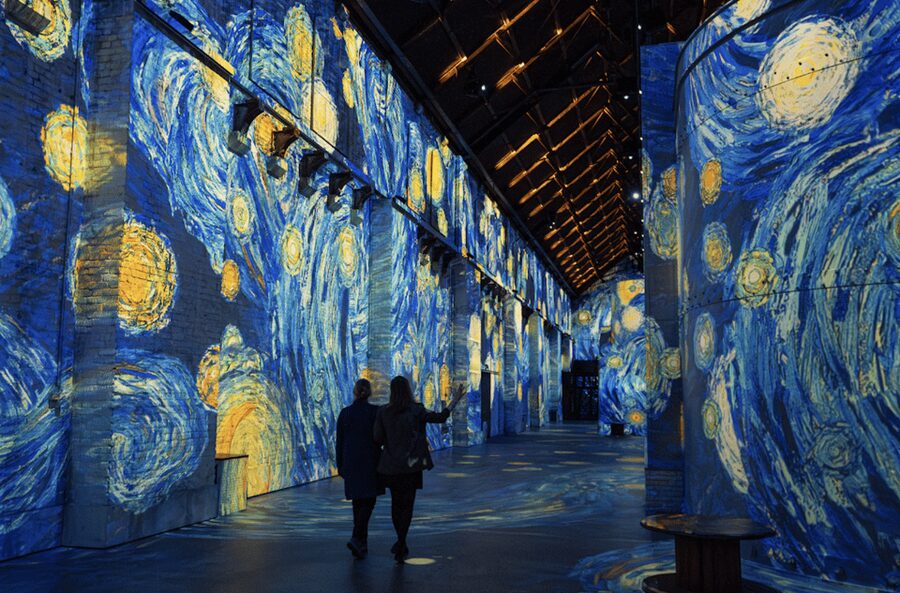
One of the things people consistently rave about is scale. This venue projects across a lot of wall area, and the walls can be up to 17 meters high, so the paintings feel like they have expanded beyond their original frames. That is a big part of why the experience can be emotional, even if you are not someone who usually sits through art lectures.
The production uses advanced light projection technology synchronized with music. In practice, this means the images do not just appear and stay still. Colors change, details come forward, and scenes feel like they are unfolding around you rather than simply being displayed in front of you.
Where the experience can feel different than a museum
A museum gives you time to look slowly and choose your own path. Here, the show is choreographed for you, so you experience it in the order the programme presents.
If you love art history context and want lots of written explanation, you might find the information is light. One review mentions a wish for more description of the pictures and information, which is fair. If that is your style, pair this with at least one museum stop elsewhere in Amsterdam to get the deeper background.
On the other hand, if your goal is pure “watch it happen” energy, this format delivers. Many visitors describe it as jaw-dropping and visually beautiful, and it is easy to see why: you are basically getting a film-like experience, but with you standing inside it.
A handful of other Amsterdam outings
- Amsterdam: Van Gogh Museum Ticket
★ 4.7 · 52,054 reviews - Amsterdam: Heineken Experience Ticket including 2 Drinks
★ 4.6 · 36,014 reviews - Amsterdam Classic Saloon Boat Cruise with Drinks and Cheese
★ 5.0 · 31,825 reviews - Amsterdam Luxury Canal Cruise + Unlimited Drinks & Bites option
★ 5.0 · 30,518 reviews
The room-to-room flow, including the mirror room
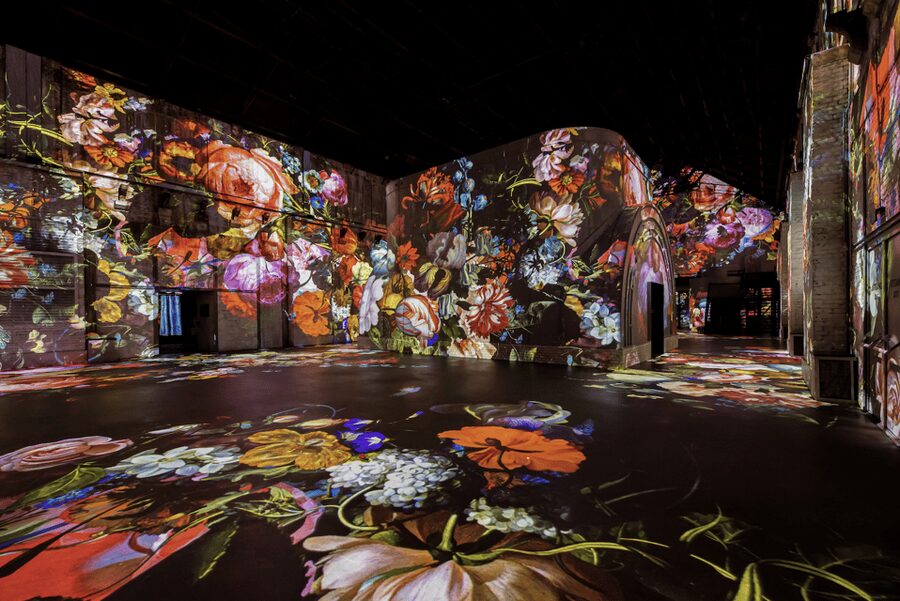
As you move through, you are not just watching one continuous projection. The show is divided into different spaces, and several reviews point out that the separate rooms help keep it interesting. That structure matters because it prevents the experience from feeling repetitive.
One detail worth planning for is seating and temperature. A common theme in reviews is that people sit on the floor, sometimes with limited seating options. That can be a problem in a cold space, and some visitors suggest seat cushions would help.
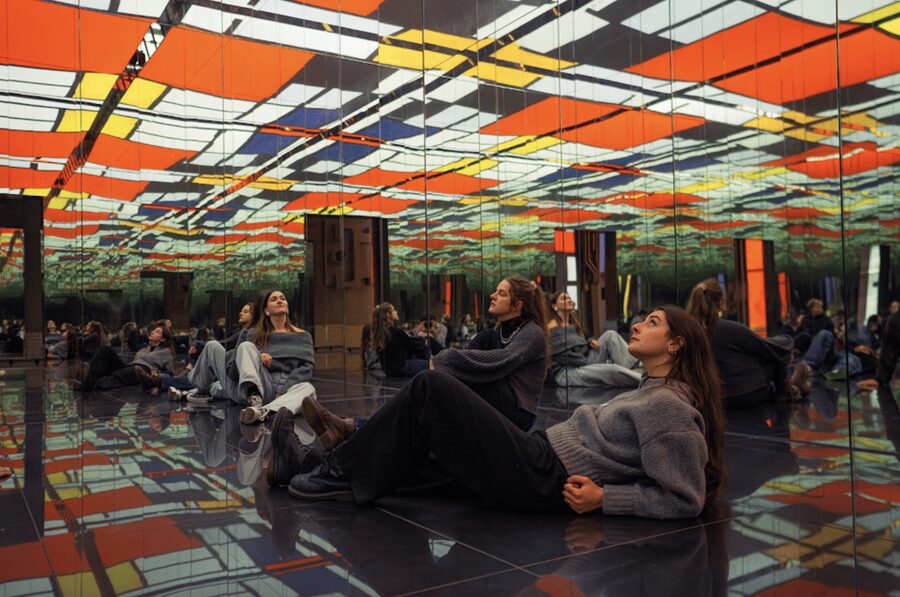
There is also a mirror room that stands out. It sounds like a small detail, but in a digital projection experience it actually helps you understand the visual trick. A mirror room can multiply the effect, making the projections feel deeper and more surrounding, like you are standing in the middle of the light.
If you want the best viewing, arrive early enough to get a spot that matches your comfort. If you know you run cold, bring an extra layer and expect you might be sitting for stretches.
The Mondriaan short programme: why the ending hits
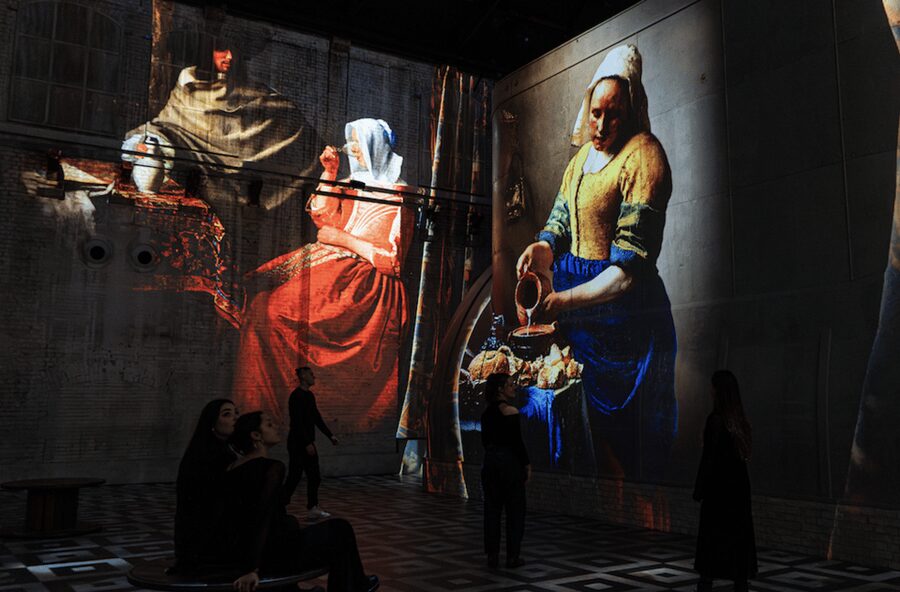
After the main Dutch Masters segment, you get a shorter follow-up programme dedicated to Mondriaan. This part tracks his evolution toward neoplasticism, the shift toward a more structured, modern style.
For me, that ending is valuable because it connects the dots. Dutch Masters are often treated like a finished chapter, but Mondriaan represents a move forward into modern art thinking. Seeing that transition as part of the show helps the experience feel like a story, not just a slideshow of famous paintings.
In the reviews, people also describe the music as well matched. That matters more here than you might expect, because the pacing and emotion are part of how the show communicates the artistic change over time.
Comfort, crowd energy, and smart ways to time your visit
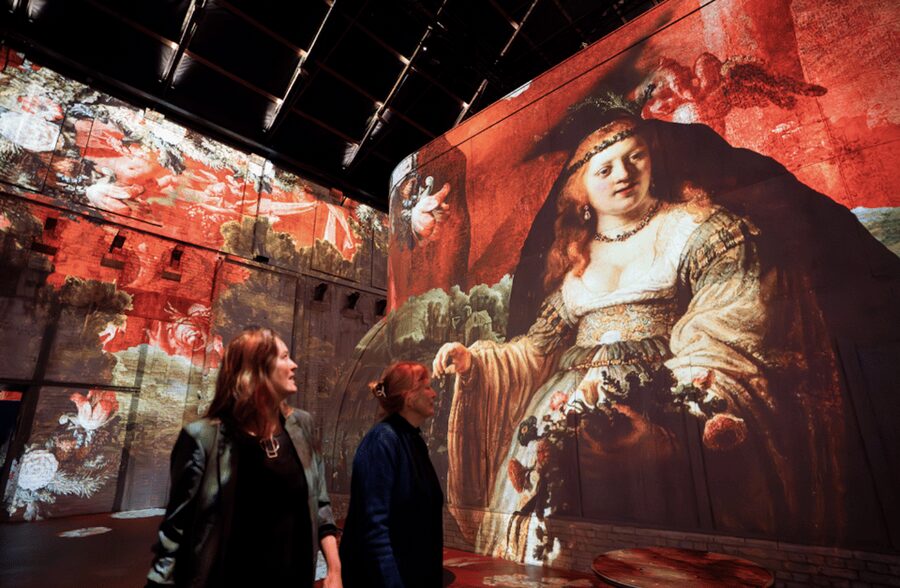
This attraction is popular, and your comfort depends a lot on where you sit or stand. Multiple reviews mention the cold, and one person says they could not stay the whole time because they could not stand the temperature. If you are sensitive to cold, you need to treat this as an indoor show with winter conditions.
Seating is another factor. Several reviews mention that there is not enough comfortable seating beyond the floor, and one suggests seat cushions or something similar would make it nicer. The good news is that you still have room to move and walk around, so you can adjust if you feel stiff.
Crowd behavior is mixed in any popular show. One review praises how visitors followed house rules and did not distract from the experience. Another mentions children running around and being loud, which can break the fantasy of the show for a minute. If you are easily distracted, aim for the earliest slot so you are less likely to be stuck in a louder wave.
Finally, there are small extras that can add to the day. One review highlights a coffee option next door, and another points out a photo booth at the end of the hall. Those are simple, but they help if you want a complete experience and not just the hour of projections.
Price and value: how $21 stacks up in Amsterdam
At $21 per person, this is one of the more budget-friendly ways to see Dutch Masters on a “big stage” format. You are paying for technology, room scale, and timed entry, not for a guide or museum collection access.
Here is the value logic: when a museum ticket can feel expensive for the number of hours you can spend, this show gives you a high-impact, concentrated experience. It also works as a substitute or bonus if you already saw the real artworks at major museums, because the show gives you a different lens.
The locker use is included, which is practical. Also, timed entry helps you avoid unnecessary waiting. For a one-hour style show, that matters because you do not want to lose your best viewing time standing in line.
That said, it is still a ticket to a programmed show. If what you want is maximum freedom, long contemplation, and deep labels, you may feel it is a bit “too short” or “too much production.” One review says it was expensive for what it is and notes there is not much to do besides the show, aside from the small extras. So the price is fair for the format, but make sure the format matches your expectations.
Who should book, and who might prefer something else
This works best for:
- People who want an art experience that is visual, musical, and easy to follow.
- Anyone who wants a break from museum fatigue, especially in colder months.
- Visitors who already know the classics and want to see them through a modern projection approach.
- Couples and friends who like shared “wow” moments.
You might consider skipping or pairing with a museum if:
- You want lots of art-history explanation and detailed commentary.
- You are very sensitive to cold and would struggle sitting on the floor.
- You have epilepsy, since the show is not suitable for people with epilepsy.
If you are a first-time Amsterdam visitor, this can also be a smart choice because it does not take over your day. You can still fit museum time before or after, and it gives you something different from canals and galleries.
Should you book the Amsterdam Dutch Masters ticket?
Yes, I think you should book it if you like art that shows emotion through sound and scale. The combination of Dutch Masters, music, and massive projections is the main event, and the production quality is the reason the ratings are so high.
Just be strategic. Pick a time slot that gives you breathing room for arrival, and plan to dress for indoor cold if you run chilly. If you already love Dutch painters, this will feel like a new way to look at familiar names, not a replacement for classic museums.
If you want total freedom to look at your own pace, then use it as a short, high-impact stop, and make sure you also include a regular museum visit for slower looking and context. Done that way, you get the best of both worlds: story and scale from the show, plus depth from the paintings themselves.
FAQ
How long is the Fabrique des Lumières Dutch Masters experience?
The activity is listed as lasting 1 day, and it is a timed exhibition with the show starting at your booked time slot. Plan to arrive early because doors open 15 minutes before.
When is the Dutch Masters exhibition available?
The Dutch Masters exhibition is only available during the first and last time slot of the day.
Do I need to arrive before my booked time?
Yes. Doors open 15 minutes before the exhibition, and the show starts exactly at your booked time, so arriving on time matters.
Is a guide included with the ticket?
No. A guide is not included.
Can I bring luggage, large bags, or pets?
No. Pets are not allowed, and luggage or large bags are not allowed. Locker use is included.
Is this venue wheelchair accessible?
Yes, Fabrique des Lumières is listed as wheelchair accessible.
Newest bookings around Amsterdam
- Amsterdam Breakfast Cruise on Private Luxury Boat★ 5.0 · 5 reviews
- Amsterdam-West Food Tour with local guide★ 5.0 · 16 reviews
- Van Gogh Museum with Audio Guide★ 3.5 · 80 reviews
- Amsterdam: Explore the Van Gogh Museum & His Masterpieces★ 3.5 · 64 reviews
- Van Gogh Museum Tour excluding Entrance Tickets★ 5.0 · 16 reviews
- Van Gogh Museum Ticket with Audio Guide and Unlimited Access Time★ 5.0 · 25 reviews
- Van Gogh Museum Entry Ticket and Guided Tour★ 4.5 · 48 reviews
- Van Gogh Museum Private Tour★ 5.0 · 5 reviews
Rembrandt & Dutch Masters Tours, compared.
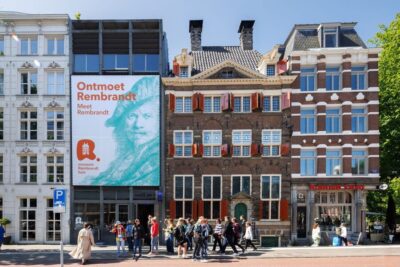
Van Gogh & Rembrandt Captivating Experience Entry
Read our review →
Rembrandt House Museum Amsterdam Entrance Ticket
Read our review →
Private Rijksmuseum Tour- The Dutch Masters, Rembrandt & Vermeer
Read our review →
Van Gogh or Rembrandt AI Portrait Photo Souvenir
Read our review →
Browse the lists this tour appears in