
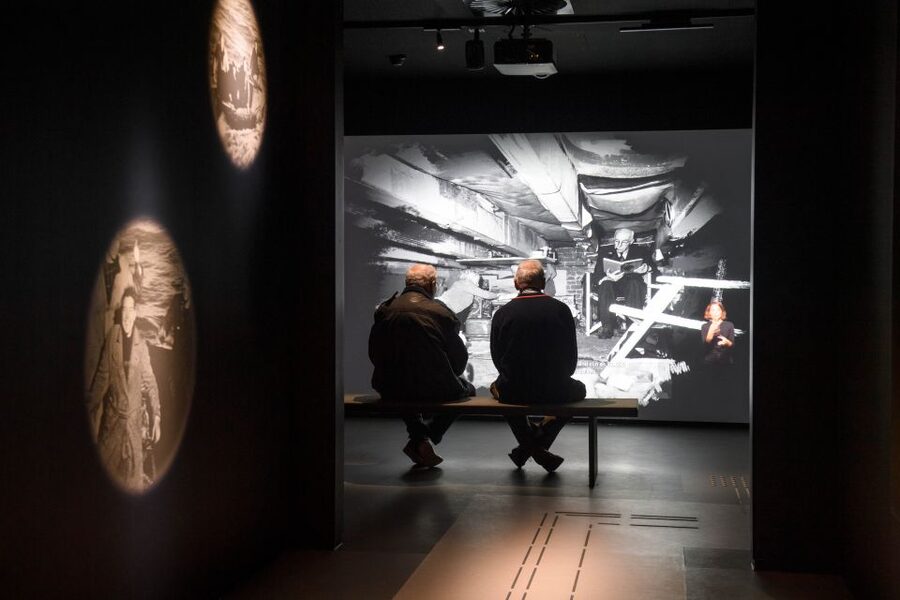
REVIEW · MUSEUMS
Amsterdam: Dutch WWII Resistance Museum Entry Ticket
History gets personal here. The Dutch WWII Resistance Museum in Amsterdam turns Nazi occupation into real, human-scale stories, using objects, photos, and an audio guide system that keeps you moving at your own pace. I like how the museum shows Dutch resistance as many different actions, not one single heroic story.
Two things I especially like: first, the way the exhibition walks you through multiple resistance methods, from strikes and underground newspapers to forging documents, helping people go into hiding, escape routes, espionage, and armed resistance. Second, you get to experience the war through personal documents and everyday artifacts, which makes the dilemmas feel immediate instead of distant.
One consideration: this museum deals with hard material, and it takes focus. If you only have a short attention window, plan carefully because you will likely want time to listen, read, and revisit stations.
In This Review
- Key things to know before you go
- Entering the wartime story at Amsterdam’s Dutch WWII Resistance Museum
- What you’ll see: resistance methods shown as real tools
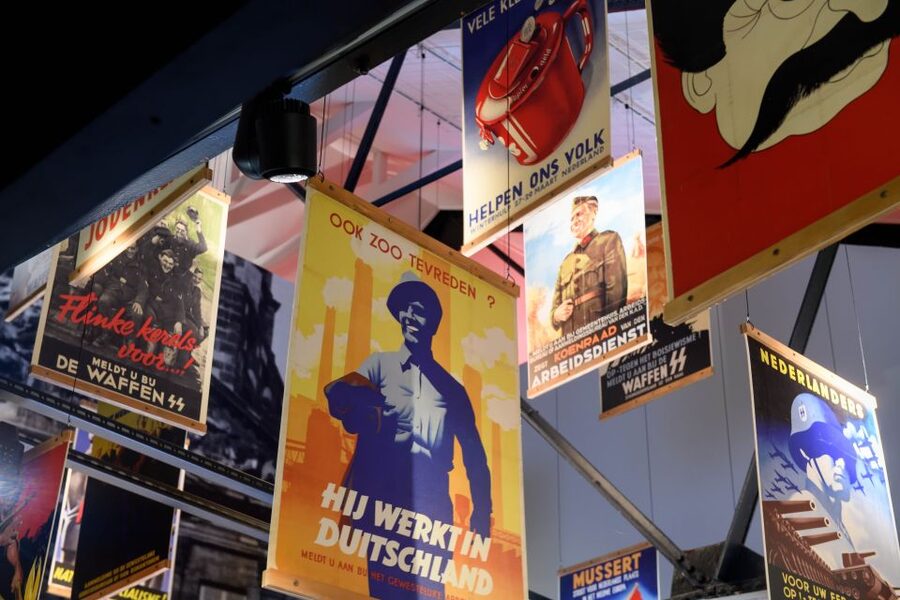
- The photo walls and the power of period objects
- Everyday decisions: resistance, collaboration, and moral pressure
- The Dutch East Indies section you should plan for
- How the audio guide and scanning stations work in practice
- Pricing and value: what $21 buys you
- How to pace your 2-3 hours for the best experience
- Accessibility and comfort, especially if you need breaks
- Who should visit, and who might pair it with another stop
- Should you book the Amsterdam WWII Resistance Museum ticket?
Key things to know before you go
- Audio guide choice: You can follow the exhibition in multiple languages, with audio support included on your entry ticket.
- Resistance in full variety: The museum covers strikes, document forgery, hiding people, underground newspapers, escape routes, espionage, and armed resistance.
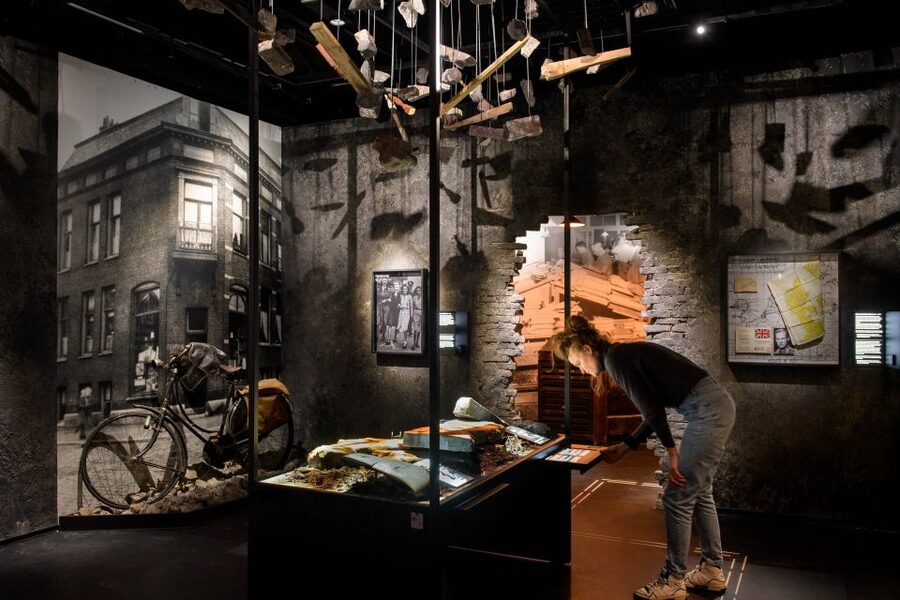
- Photo walls and period details: Expect corridors with dense photo displays that recreate the mood of the war years.
- Hard stories in the Dutch East Indies section: There is a dedicated area on the Dutch East Indies and the Japanese occupation, including terror under Japanese rule.
- Everyday decisions, not just hero moments: The museum highlights people who faced dilemmas, including collaboration and difficult tradeoffs.
- Accessible design: Wheelchair access is available, and the layout is designed for barrier-free movement.
Entering the wartime story at Amsterdam’s Dutch WWII Resistance Museum
If you are visiting Amsterdam and you only know World War II through famous names and headline dates, this museum can reset your mental picture fast. It is about the occupation of the Netherlands, but it is also about what ordinary people did when everyday life became a threat. The story is grounded in items, testimony-style materials, and visual displays that make the period feel less like a chapter in a textbook.
What makes this museum especially useful is that it does not treat resistance as a single category. You see resistance as a spectrum. Some actions are public in impact, like strikes. Others are quiet and technical, like document forging. Others are rescue work, like helping people go into hiding. Even espionage and armed resistance are presented as part of the wider ecosystem of courage and fear.
The museum is run by Verzetsmuseum Amsterdam, and your entry ticket includes an audio guide. That matters, because the museum experience depends on listening and reading as you move station to station. You are not stuck with a single pace, and you are not forced to rely on a guide to connect the dots.
More Museum Tours in Amsterdam
- Amsterdam: Van Gogh Museum Ticket
★ 4.7 · 52,054 reviews - Moco Museum Amsterdam Entrance Tickets with Banksy & More
★ 4.4 · 10,088 reviews - Amsterdam: Red Light Secrets Museum Entry Ticket
★ 4.2 · 5,722 reviews
What you’ll see: resistance methods shown as real tools
The exhibition is organized around how people resisted, step by step, and in multiple forms. You can expect sections that cover:
- Strikes during the occupation
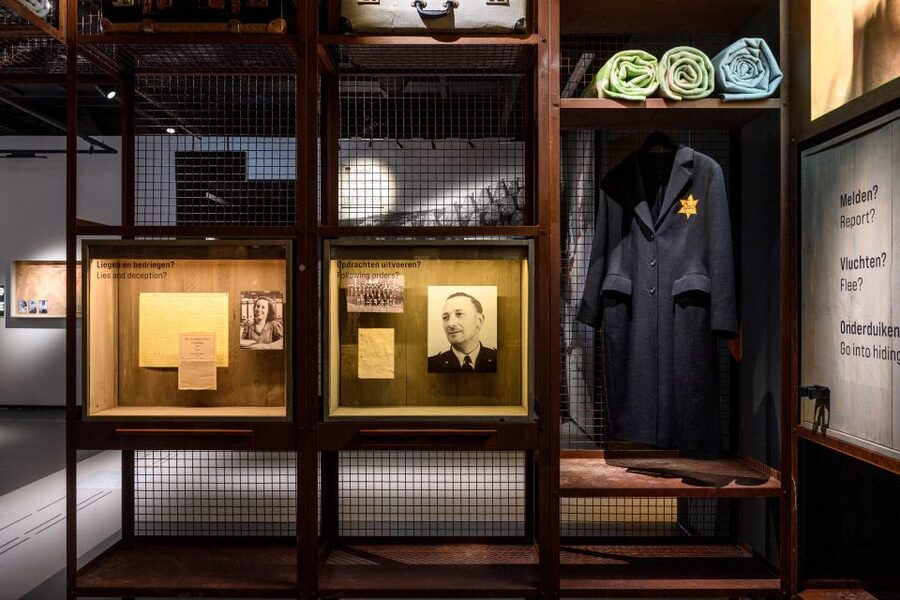
- Forging and altering documents
- Helping people hide from Nazi authorities
- Underground newspapers
- Escape routes and assistance for getting away
- Armed resistance
- Espionage
This structure is valuable for you because it turns resistance into something practical. Instead of the vague idea of bravery, you get the logic behind it. For instance, document work is not just a plot point. It is a lifeline that could mean the difference between deportation and survival. Underground publishing is not only propaganda in reverse. It is a way to keep truth and morale alive when official information becomes dangerous.
You also get the sense of risk layered into every tactic. When actions are small, the stakes do not shrink. If anything, smaller actions can be harder to sustain because they require secrecy, coordination, and trust. The museum keeps that tension in view so you do not come away with a simplified hero narrative.
The photo walls and the power of period objects
One of the most striking parts of the museum is the way it creates atmosphere. There are walls full of photos and displays that recreate the climate of the war years without needing you to guess the mood. It can feel like the building itself is carrying the weight of the era.
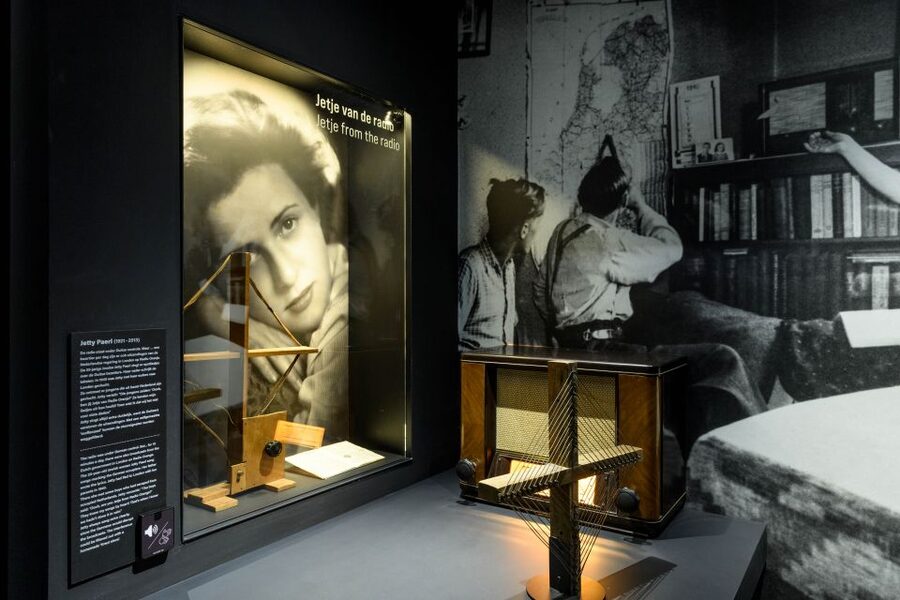
The museum also leans hard on items and personal materials. You will see objects and written records that help you understand what people faced, including moving documents that show dilemmas. That choice is important. When a museum uses only general history, it can stay abstract. Here, the museum keeps bringing you back to particular people and choices, which makes the occupation feel close and specific.
There is also a strong media element. The exhibition uses films and visual installations to put context around the stories. You can expect to feel pulled between learning the big picture and absorbing individual accounts. That balance is exactly what helps most people remember what they saw after they leave.
Everyday decisions: resistance, collaboration, and moral pressure
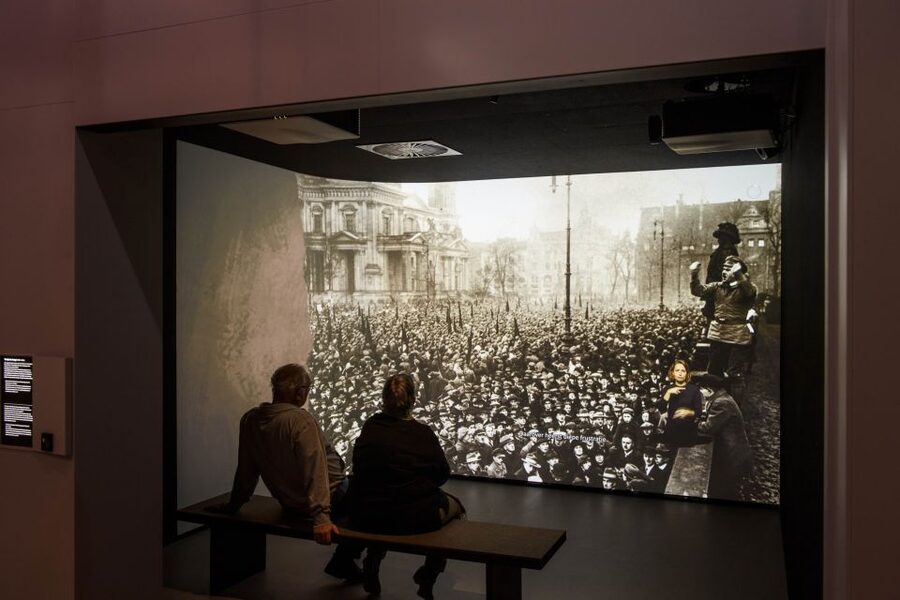
A lot of war museums focus mainly on the dramatic end of the story. This one does something different. It explains day-to-day worries, resistance groups, and collaborators, so you understand that life under occupation was not just action versus action.
This approach helps you make better sense of human behavior. It shows that dilemmas happen even when someone wants to do the right thing. People could be forced into choices under surveillance, coercion, and fear. The museum’s emphasis on personal documents and confrontations with impossible options gives the story moral texture.
For you, that matters because it prevents the museum from becoming only inspirational. It is a cautionary experience too. You leave understanding that oppression works through pressure, paperwork, and power structures, not only through bullets and speeches.
At the same time, the museum does not lose sight of courage. It highlights everyday heroes. Those heroes may not look like action-movie characters, but their work can be just as decisive: hiding someone, distributing information, forging a document, or helping someone escape. The point is that resistance could be ordinary in appearance and extraordinary in impact.
A handful of other Amsterdam outings
- Amsterdam’s Weirdest Museum: Ripley’s Believe It or Not!
★ 4.5 · 4,920 reviews - Amsterdam: Van Gogh Museum Ticket and City Canal Cruise
★ 4.6 · 3,899 reviews - Amsterdam: Rembrandt House Museum Entrance Ticket
★ 4.7 · 3,385 reviews - Amsterdam: Van Gogh Museum Ticket & Canal Cruise
★ 4.5 · 3,304 reviews
The Dutch East Indies section you should plan for
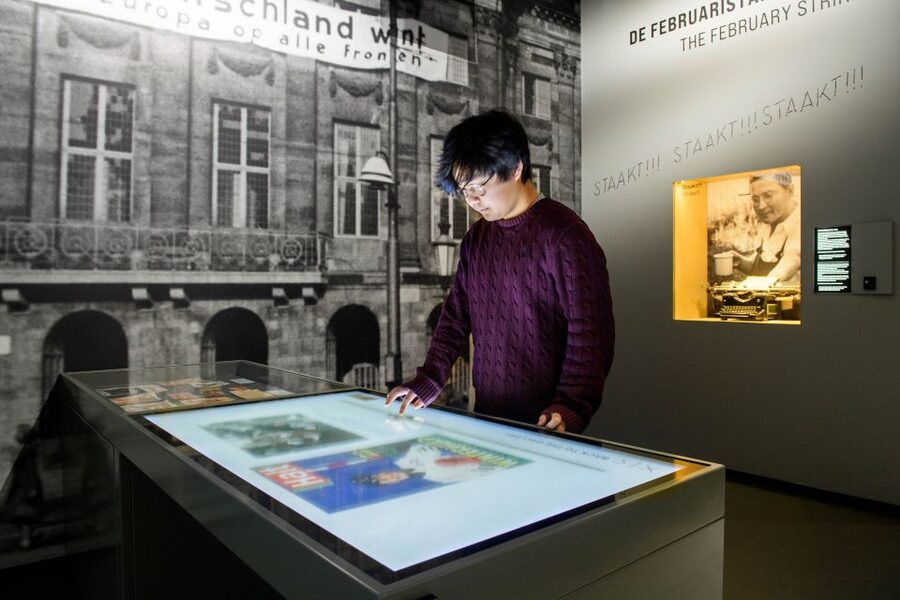
A standout element is the museum’s dedicated section on the Dutch East Indies. You will see that the story of Dutch people in this era did not end with Germany. The exhibition includes the experiences under the Japanese regime of terror and the harrowing realities people faced in the colonies.
Why this section deserves your attention: it expands the frame of what World War II meant to the Netherlands and to Dutch communities beyond Europe. It also keeps the museum from feeling like a single-region story. If you are going to make room in your schedule for only one “break” area while you are there, make it this section. The emotional weight is high, and you will want time to absorb it rather than skim.
The museum’s overall design helps you connect the dots. Even when the geography shifts, the occupation theme stays. People deal with control systems, forced vulnerability, and survival choices. That continuity helps you understand the broader shape of wartime terror.
How the audio guide and scanning stations work in practice
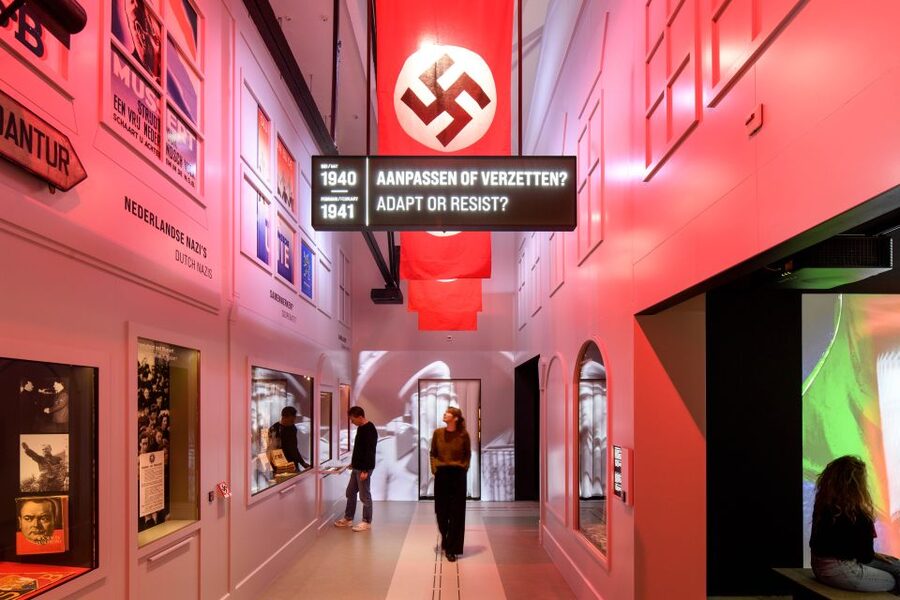
Your ticket includes an audio guide, with languages listed as Dutch, English, French, German, Italian, Spanish, and Portuguese. That gives you flexibility if you are traveling with mixed-language companions or if you want to switch languages for certain exhibits.
The experience also benefits from a station-by-station setup. You can use the included audio guide technology alongside exhibits, and many stations are designed so you can choose what to listen to. There are also QR-style interactions built into the experience, which can make it easier to focus on the parts you care about most.
A practical tip: set a rhythm. If you try to listen to everything at once, you will start rushing. If you listen to only one exhibit per room, you will feel like you missed the connections. Instead, aim for a steady pace where you listen to the main audio on each station, then skim the nearby text and objects. If something grabs you, pause and take the extra minutes.
Also, keep your expectations realistic about audio. This is a museum where sound is part of the storytelling. Plan to wear comfy shoes, and plan to be near the displays so you are not constantly turning away. The setup is designed for you to move room to room, not sit far away and hope you can catch every detail.
Pricing and value: what $21 buys you
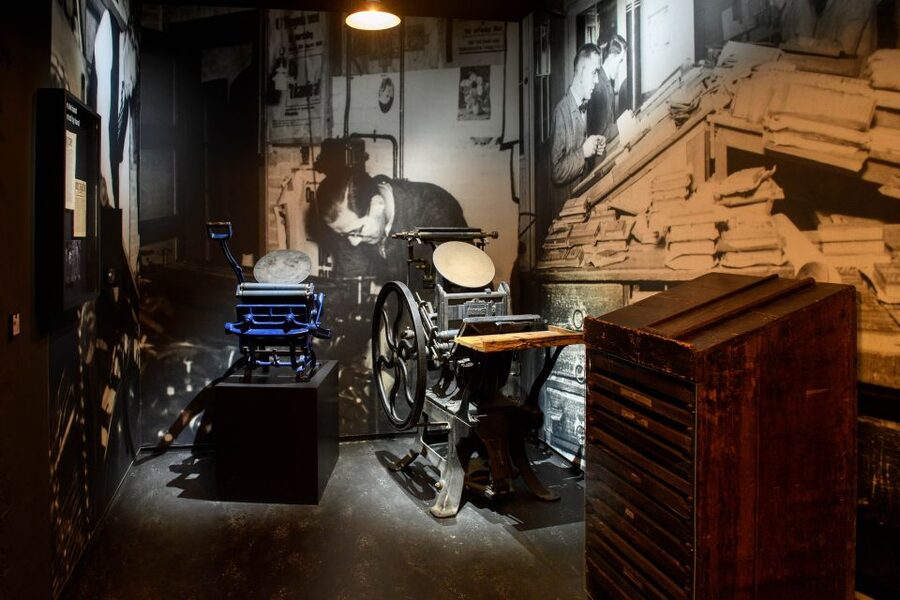
The ticket price is listed at $21 per person. At that cost, you are not just paying for entry. You are paying for an audio guide included in the ticket, plus a full exhibition experience built around reading, listening, and visual displays.
You can think of this museum as a “guided by tech” experience, not a “guided by a person” experience. That tradeoff is often a win for independent travelers. You can stop where you want, replay a station, or skip a portion if it is not your interest. And because the audio supports multiple languages, you reduce the friction of relying on someone else’s pace.
Most people will want to budget at least a couple of hours. Plan for around 2 to 3 hours if you want to do this the way the museum is designed, not as a quick scan. If you move fast and ignore audio, you might do it sooner. But if you actually want to understand the resistance systems and the East Indies section, give yourself time.
Food and drinks are not included, so you will want to plan a nearby meal break. The museum itself is the main event, and it is worth treating it that way.
How to pace your 2-3 hours for the best experience
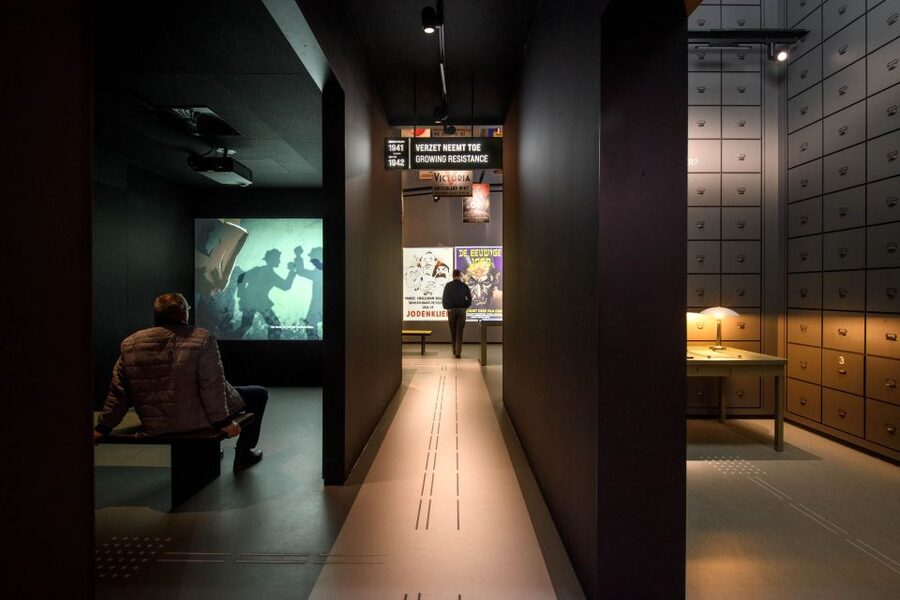
Because this museum is story-driven, pacing is everything. Here is a practical way to think about your time:
First, spend time on the early sections that explain the occupation context and set up the different kinds of resistance. This is where you learn the museum’s logic for the rest of the building. If you rush that part, later exhibits may feel less connected.
Then, focus on the resistance methods and the materials tied to specific accounts. This is where photo walls and objects start doing their job. Take a moment to read the documentation-style materials. Even if you are a quick reader, slower attention here pays off because it changes how you interpret later rooms.
Next, set aside time for the Dutch East Indies section. Do not sandwich it between fast stops. Treat it like a distinct emotional segment, because it is. Afterward, return to any stations you skipped, especially ones that connect resistance and moral pressure.
Finally, leave a little buffer at the end. Many people find they want to revisit stations once they have a fuller picture. If you plan your schedule with a cushion, you avoid the feeling of leaving mid-story.
Accessibility and comfort, especially if you need breaks
This museum is wheelchair accessible. In general, the layout supports easier navigation through an exhibition that can be emotionally heavy. If you want an environment where you are not constantly fighting for access, this is a plus.
Comfort matters too. You will likely spend time standing, but the audio guide and station-based design can help you pause when you need to. If you are traveling with someone who needs extra rest, build in short breaks instead of trying to power through the whole exhibition in one continuous push.
Even if you are not thinking about accessibility, remember that this is a museum where listening is part of the experience. Keep your body comfortable enough that your attention stays on the exhibits, not on discomfort.
Who should visit, and who might pair it with another stop
This museum is a strong match if you:
- Want more than the usual World War II highlights
- Like personal stories tied to objects and documents
- Prefer an audio guide experience you can control
- Care about how resistance looked in real life, not just on paper
It is also a smart stop if you want to understand the Netherlands during the occupation as a system. The museum explains not only the resistance, but the pressure that surrounded daily choices.
If you are coming from other Amsterdam sites, do yourself a favor and schedule this when you have your mental energy. You will learn and feel, and that takes focus. If your day is packed with activities and you are running on fumes, this might feel heavier than you expected.
Should you book the Amsterdam WWII Resistance Museum ticket?
Yes, you should book if you want a clear, well-paced way to understand the Dutch resistance during Nazi occupation, with an audio guide that supports multiple languages. The biggest value is the way the museum connects resistance methods to real human dilemmas, and how it uses photos, documents, and media to make the occupation feel specific instead of generic.
Skip it or rethink timing only if you are short on time and you tend to rush museums. This one works best when you give yourself at least 2 to 3 hours to listen and read. Also, if you know you prefer lighter history subjects, make sure you are ready for a serious experience.
If you want one strong World War II stop in Amsterdam that goes beyond the famous stories, this is one of the most practical choices you can make.
Newest bookings around Amsterdam
- Amsterdam Breakfast Cruise on Private Luxury Boat★ 5.0 · 5 reviews
- Amsterdam-West Food Tour with local guide★ 5.0 · 16 reviews
- Amsterdam: Explore the Van Gogh Museum & His Masterpieces★ 3.5 · 64 reviews
- Van Gogh Museum Tour excluding Entrance Tickets★ 5.0 · 16 reviews
- Van Gogh Museum with Audio Guide★ 3.5 · 80 reviews
- Van Gogh Museum Ticket with Audio Guide and Unlimited Access Time★ 5.0 · 25 reviews
- Van Gogh Museum Entry Ticket and Guided Tour★ 4.5 · 48 reviews
- Van Gogh Museum Private Tour★ 5.0 · 5 reviews
Museums, compared.
Moco Museum Amsterdam Entrance Tickets with Banksy & More
Read our review →

Amsterdam’s Weirdest Museum: Ripley’s Believe It or Not!
Read our review →

Browse the lists this tour appears in