
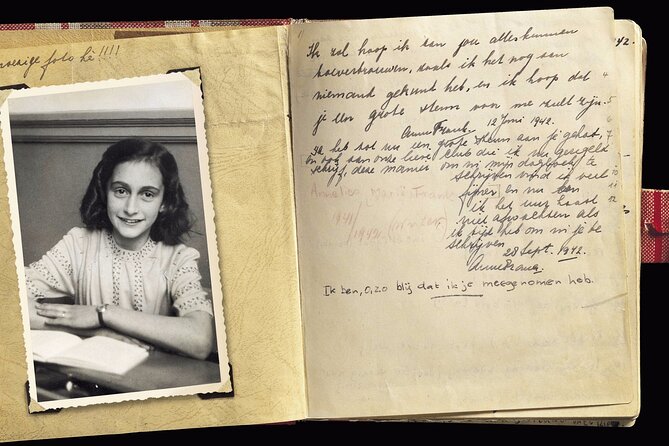
REVIEW · ANNE FRANK TOURS
Amsterdam: Anne Frank Walking tour – Discover Her Story
Anne Frank’s story is written into the streets. This intimate walking tour adds human detail to what you might know from a book, linking Anne’s daily life to the wider WWII story in places many visitors never notice. I especially like the small group size (capped at 15), because it keeps the pace calm and the explanations easier to follow. One drawback to plan for: this is a walking tour, and it is not recommended if you have walking problems.
You also get good value for the price because you are paying for a professional guide and a structured route, not for a long list of paid attractions. Expect about 90 minutes, in English, with a mobile ticket and free time built into each stop. Also note up front: this tour does not include an entrance ticket to the Anne Frank House.
In This Review
- Key things to know before you go
- A small-group Anne Frank walk that links daily life to WWII
- Price, pace, and what $17.75 covers in Amsterdam
- Walk the story: your stop-by-stop itinerary explained
- Merwedeplein 61: starting point with the neighborhood in focus
- Merwedeplein 37: the home base before hiding
- Jekerstraat 16: Margot’s Jewish school
- Geleenstraat 1: the vanished ice salon with an Anne portrait
- Niersstraat 41-43: a former Montessori school
- Rooseveltlaan 62: the bookstore linked to the diary
- Lekstraat 61: a synagogue and the stars for clothes
- Hunzestraat 28: Miep Gies’s house
- Merwedeplein 61: ending where you started
- How to get the most from the 1.5-hour format
- Who this tour fits best, and who might want another option
- Should you book this Amsterdam Anne Frank walking tour?
Key things to know before you go
- Small-group format (15 max) helps you stay engaged and ask questions.
- 90 minutes, multiple stops makes it feel like a real neighborhood walk, not a quick drive-by.
- Anne Frank related sites beyond the headline museum bring the story closer to daily life.
- What used to be here still shows up in changed storefronts and building purposes.
- Free admission at each stop means your money goes to the guide and the story, not entry fees.
A small-group Anne Frank walk that links daily life to WWII
If you only know Anne Frank from a classroom excerpt, this kind of tour can feel like a missing piece snapping into place. The goal here is not to repeat museum-style facts. It’s to help you picture her life in the same Amsterdam streets and buildings that shaped her routines, schooling, and friendships.
What works best is the format. The tour runs about 1 hour 30 minutes, and the group stays small, up to 15 people. That matters in a story like this, because you need time to take in details and let the context land. You also move stop to stop with short explanations, so you never feel stuck in one place for too long.
You’ll also get a clearer sense of how World War II history shows up at street level. Instead of treating the past as an abstract event, you see it as a chain of very specific locations: school buildings, shops, and a synagogue tied to daily life. It turns big history into something you can actually hold in your mind while you walk.
More Walking Tours in Amsterdam
- Amsterdam Anne Frank: Small-Group Walking Tour & Local Guide
★ 4.8 · 12,789 reviews - Anne Frank’s Story – Guided Walking Tour through Amsterdam
★ 5.0 · 11,619 reviews - Absolutely Amsterdam – the Essential Introductory Walking Tour
★ 5.0 · 3,629 reviews
Price, pace, and what $17.75 covers in Amsterdam
The price is $17.75 per person for an approximately 90 minute guided walking tour in English. For most people, that’s a fair trade because you’re buying three things at once:
- A professional guide who connects the dots between Anne Frank and the city
- A structured route with clear stop times so you don’t wander
- A small-group experience that feels more personal than big group tours
Your time is also well managed. The tour includes several short stops, typically around 10 to 15 minutes each, plus a start and end back at the meeting point. That’s ideal if you want WWII context but still want to keep your day flexible.
Two practical notes to keep you from any surprises:
- Anne Frank House entrance is not included. This tour focuses on the broader neighborhood story.
- Expect walking. The tour is near public transportation, but it still involves enough walking that it’s not recommended for people with walking problems.
Walk the story: your stop-by-stop itinerary explained
This route is built like a timeline you can follow with your feet. You start at Merwedeplein and then move through the neighborhood, visiting places tied to Anne Frank’s life before the Secret Annex. Each stop is short enough to stay lively, but long enough that you get the “why this matters” piece.
Merwedeplein 61: starting point with the neighborhood in focus
You begin at Merwedeplein 61 (1078 NC). This is where the tour sets the tone, shifting your attention from famous sights to the smaller streets and buildings where ordinary life happened. Even the first stop matters because it helps you get your bearings early, so later details feel connected rather than random.
If you like to understand a place from the ground up, this is a strong start. You’re not just collecting information, you’re learning how to look at Amsterdam as a living map of the past.
More Anne Frank walks:
- Amsterdam: Anne Frank Guided Walking Tour in DE/EN/IT/ES
★ 4.9 · 3,107 reviews - Amsterdam: Anne Frank Guided Small Group Walking Tour
★ 4.8 · 2,722 reviews - Anne Frank Walking Tour Amsterdam Including Jewish Cultural Quarter
★ 5.0 · 1,879 reviews - Anne Frank’s Last Walk & See Anne Frank House in Virtual Reality
★ 5.0 · 957 reviews
Merwedeplein 37: the home base before hiding
Next is Merwedeplein 37, described as the location where Anne Frank lived with her family before they went into hiding in the Secret Annex. This stop is powerful because it anchors the story in a familiar idea: home.
This is where the tour does something useful for your understanding. Instead of jumping immediately to the Secret Annex, it encourages you to think about what came before. You can picture a young person moving through normal days, attending school, seeing friends, and then having life change drastically.
Jekerstraat 16: Margot’s Jewish school
At Jekerstraat 16, you focus on Anne’s sister Margot and the Jewish school Margot attended. This stop is a good reminder that the family’s story is not only about hiding. It’s also about education, identity, and the structures that shaped daily life.
If you tend to think of Anne Frank as one “timeline moment,” this stop helps you see her family’s world as more than a single event. You’re learning how community institutions mattered, and what it meant when those lives were forced into a different reality.
Geleenstraat 1: the vanished ice salon with an Anne portrait
Now comes one of the most vivid and moving parts of the walk: Geleenstraat 1, tied to an ice cream salon Anne Frank and friends used to visit. The interesting thing here is that the ice cream salon does not exist anymore. Instead, the building now contains a Japanese/Peruvian restaurant, and on the wall there is a large portrait of Anne painted by the owner.
That change makes the history feel real. You’re not staring at a frozen exhibit. You’re seeing how the neighborhood evolved, while memory still clings to the same address. It’s also a lesson in how storytelling can outlast the original storefronts.
One caution: since the building now houses a different business, don’t plan on finding old signage. Focus on what your guide points out and how the portrait connects you to the people behind the story.
Niersstraat 41-43: a former Montessori school
At Niersstraat 41-43, the tour points to Anne Frank’s school, described as a former 6th Montessori school. This is another “life before hiding” stop, and it helps you understand Anne as a student with a routine, not just a name in history.
Montessori schooling can sound like a faraway idea until it’s tied to a real address in your walking route. It makes the education piece tangible: you’re standing near the place where learning was part of her days.
Rooseveltlaan 62: the bookstore linked to the diary
Next, Rooseveltlaan 62 is where the tour connects to a bookstore, described as the store where Anne’s father Otto Frank bought the diary with her. This is the stop that many people remember because it connects the physical object to the person.
Even if you already know the diary’s importance, the address adds a different kind of weight. You start thinking about how a story can begin with something ordinary, like buying a notebook, and then become part of the world’s memory.
Lekstraat 61: a synagogue and the stars for clothes
At Lekstraat 61, you visit a synagogue area where Jews bought stars for clothes. This stop brings a heavy topic directly into the neighborhood context.
It’s not just about the event in the abstract. The tour is aiming to show you how policies reached everyday life, down to what people had to wear. When you stand near a place tied to those purchases, it’s easier to understand how oppression worked through daily routines.
Hunzestraat 28: Miep Gies’s house
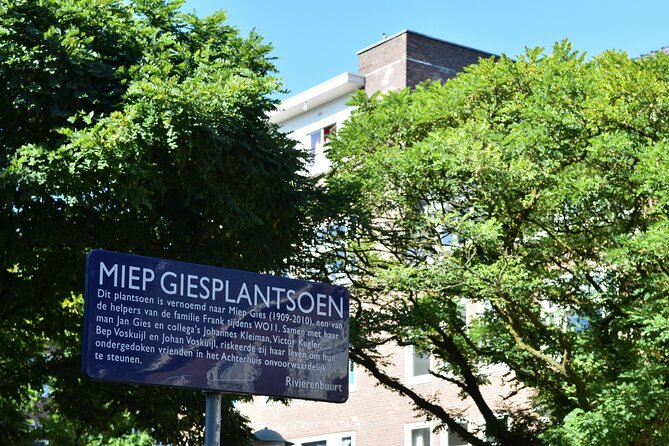
At Hunzestraat 28, you hear about Miep Gies, an employee and one of the helpers who supported people in hiding in the Secret Annex. The tour frames her role as part of a network of compassion rather than one dramatic hero moment.
This stop often shifts your emotions in a helpful way. After learning about restriction and fear, you get to see how ordinary people took risks to help others. It gives the story balance and reminds you that kindness had consequences in those days.
Merwedeplein 61: ending where you started
You wrap up back at Merwedeplein 61. Ending at the start point keeps things simple and practical. It also means you can continue your day without needing extra planning for the return walk or transit.
How to get the most from the 1.5-hour format
A walking tour like this is short by design, and that’s a good thing. In 90 minutes, the guide can’t cover everything, but you can still walk away with a strong mental map. Here’s how you can make it land:
- Arrive with a little mental context. Before you go, skim a few basic facts about Anne Frank’s timeline so addresses connect to real events.
- Keep your questions ready. In a group capped at 15, you are not shouting over a crowd. If something feels unclear, ask.
- Look up and sideways at the buildings. Some stops are meaningful because of what’s gone. The ice cream location that now holds a Japanese/Peruvian restaurant is the kind of place where attention to the wall details matters.
- Plan comfortable shoes. The tour isn’t described as wheelchair-friendly or suitable for walking limitations, so treat it like a real walk, not a short stroll.
Also, since it is offered in English and you get a mobile ticket, you can usually keep your planning lightweight. The tour is near public transportation, which helps if you want to pair it with other Amsterdam sights later.
Who this tour fits best, and who might want another option
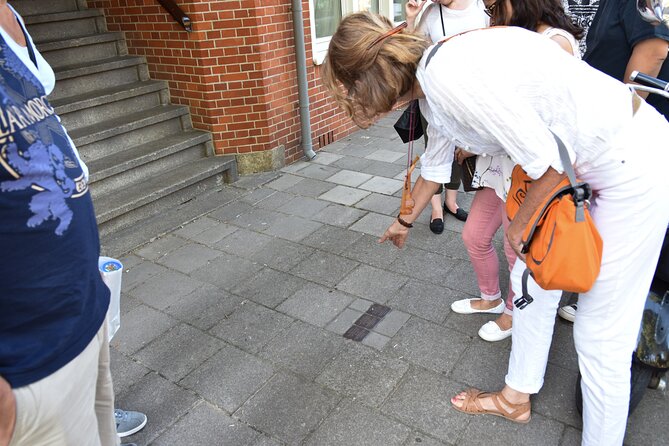
This is a smart choice if you want your Anne Frank experience to be more than one famous building. It’s ideal for people who like seeing how history is embedded in a city’s everyday fabric: schools, shops, and streets that still exist in changed form.
It’s also a good fit if you are pairing WWII history with general Amsterdam sightseeing. The route gives you a way to explore a neighborhood while getting meaningful context, without needing to commit to longer museum time.
On the other hand, if you specifically want entrance to the Anne Frank House, this tour won’t replace that. Since the House ticket is not included, you would need to plan that separately.
And if you have walking problems, you should take the “not recommended” note seriously. Even though the stops are spaced out, you still cover enough distance and time on your feet that accessibility could be an issue.
Should you book this Amsterdam Anne Frank walking tour?
I’d book it if you want an intimate, story-led walk that adds texture to Anne Frank’s life before the Secret Annex. The price is reasonable for a guided route packed with real addresses, and the stop choices lean toward everyday places like schools, shops, and community sites, not just famous landmarks.
Skip it if you need the Anne Frank House entrance included, or if walking is a real challenge for you. But for most visitors who can comfortably walk for about 90 minutes, this tour is a strong way to understand why Amsterdam’s history feels close enough to touch.
Newest bookings around Amsterdam
- Amsterdam Breakfast Cruise on Private Luxury Boat★ 5.0 · 5 reviews
- Amsterdam-West Food Tour with local guide★ 5.0 · 16 reviews
- Amsterdam: Explore the Van Gogh Museum & His Masterpieces★ 3.5 · 64 reviews
- Van Gogh Museum Tour excluding Entrance Tickets★ 5.0 · 16 reviews
- Van Gogh Museum with Audio Guide★ 3.5 · 80 reviews
- Van Gogh Museum Ticket with Audio Guide and Unlimited Access Time★ 5.0 · 25 reviews
- Van Gogh Museum Entry Ticket and Guided Tour★ 4.5 · 48 reviews
- Van Gogh Museum Private Tour★ 5.0 · 5 reviews
Anne Frank Tours, compared.

Amsterdam Anne Frank: Small-Group Walking Tour & Local Guide
Read our review →
Anne Frank’s Story – Guided Walking Tour through Amsterdam
Read our review →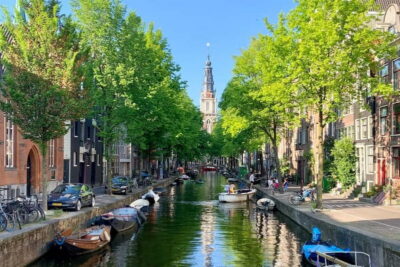
Anne Frank Guided Walking Tour in DE/EN/IT/ES
Read our review →
Anne Frank Walking Tour Amsterdam Including Jewish Cultural Quarter
Read our review →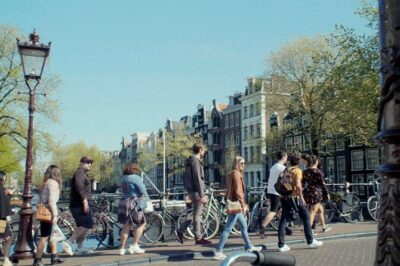
Anne Frank’s Last Walk & See Anne Frank House in Virtual Reality
Read our review →
Anne Frank and Jewish Quarter Amsterdam Private Walking Tour
Read our review →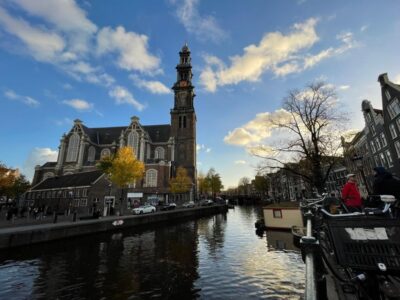
Anne Frank’s Last Walk & Visit Anne’s House in VR
Read our review →Browse the lists this tour appears in