
REVIEW · WALKING TOURS
5 hrs Golden Age Amsterdam Private Walking Tour With Local Guide
Amsterdam clicks into place fast on this walk. This 5-hour private tour gives you a clear first-day route and helps you understand Amsterdam’s past, from neoclassical landmarks to medieval corners, with a guide who adds context you will not get on your own. I especially like the way it covers big contrasts in one go, and the personal pace that works for couples, families, and anyone who likes to ask questions, plus you get pickup. One thing to watch, you should budget for several paid-entry stops, and Anne Frank House requires advance online booking.
You also get a guide who is built for real conversations. In previous tours, Aleks (often Aleksandar) has been described as speaking excellent English and also Slovak and languages from the former Yugoslav republics, and as adjusting his storytelling so kids and adults stay engaged. The route itself moves from church history to guild buildings, then to Chinatown, then to the De Wallen area, before settling into quiet courtyards like the Begijnhof.
In This Review
- Key things that make this tour worth your time
- Price and value for a 4-person private group
- Centraal Station to the Weeping Tower: Amsterdam’s foundations, fast
- From Singel to guild power: Kleinste Huis, De Waag, and a secret church
- Chinatown to De Wallen: context you can handle
- Royal Palace, Nieuwe Kerk, and the National Monument: power meets memory
- Begijnhof and Munt Tower: hidden corners and the old gate logic
- Rembrandt’s world, the flower market, and the road to Anne Frank House
- The Amstel and Jodenbuurt: bridges, river views, and the Jewish Quarter
- What you should know before you go
- Should you book this Golden Age Amsterdam private walking tour?
- FAQ
- How long is the Golden Age Amsterdam Private Walking Tour?
- How many people are in a group?
- Where does the tour start and end?
- Is pickup available?
- What attractions have entrance fees not included in the tour price?
- Do I need to book Anne Frank House in advance?
- Is there an admission fee for the Red Light District stop?
- What day and time does the tour run?
- What is the cancellation policy?
Key things that make this tour worth your time
- A tight 5-hour loop that hits Centraal, canal-era highlights, and major inner-city squares without feeling like a sprint
- Real explanations at each stop, from the wooden-pole engineering story to why canals like Singel matter
- A private group up to 4, so you can linger for photos or ask follow-up questions
- De Wallen context, not shock value, with a moderated discussion on prostitution and Dutch drug policy
- High-impact stops like Ons’ Lieve Heer op Solder and the Begijnhof, where the details matter
Price and value for a 4-person private group
The total price is $540.69 per group for up to 4 people, and the tour runs about 5 hours. That can sound pricey until you do the math: if you fill all 4 spots, you are effectively paying a lot less per person than you would for many “private” tours that carry a larger group size or shorter route.
Where the value shows up is in how the time is used. Instead of handing you a list of famous sights, the guide ties stops together, so one building leads to another idea: how Amsterdam built on wooden poles, how trade and guilds shaped civic architecture, and how religious life changed over centuries. If you are traveling with kids, the private format also helps, because the guide can keep everyone interested without forcing the energy to match a larger group.
Pickup is offered, which is a practical plus if you are staying outside the immediate Centraal area. Even without pickup, the start is easy to reach at Amsterdam Centraal, so you avoid the “where do we meet again” stress.
More Walking Tours in Amsterdam
- Amsterdam Anne Frank: Small-Group Walking Tour & Local Guide
★ 4.8 · 12,789 reviews - Anne Frank’s Story – Guided Walking Tour through Amsterdam
★ 5.0 · 11,619 reviews - Absolutely Amsterdam – the Essential Introductory Walking Tour
★ 5.0 · 3,629 reviews
Centraal Station to the Weeping Tower: Amsterdam’s foundations, fast
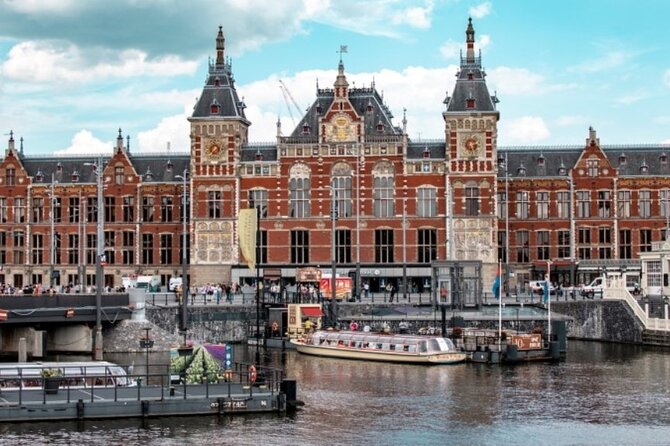
Your day starts at Amsterdam Centraal Station. Expect a quick but meaningful look at the grand 19th-century façade and the engineering underneath, built up on 6,059 wooden poles, in Dutch neoclassical style. If you have only seen Amsterdam from the canals, this is the kind of intro that makes the whole city feel less mysterious.
Next is St. Nicholas Basilica. This is the biggest Catholic temple in the Netherlands, dating from the second half of the 19th century. Even if you do not go inside, the timing matters. The guide’s job here is to connect religious architecture to the changing story of a city balancing power, faith, and trade.
Then comes the Weeping Tower. It once sat as part of the medieval wall around Amsterdam, from the 15th century. The real wow-factor is the Henry Hudson connection, because this is also the location from which he sailed on his journey toward Northern America. It is brief, about 10 minutes, but it gives you a timeline anchor you can carry into the rest of the route.
From Singel to guild power: Kleinste Huis, De Waag, and a secret church
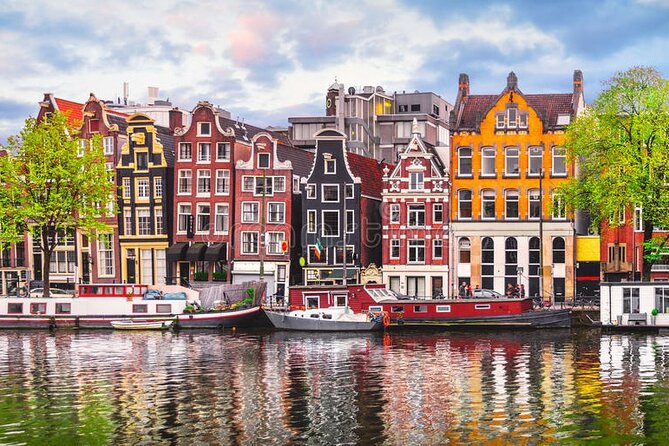
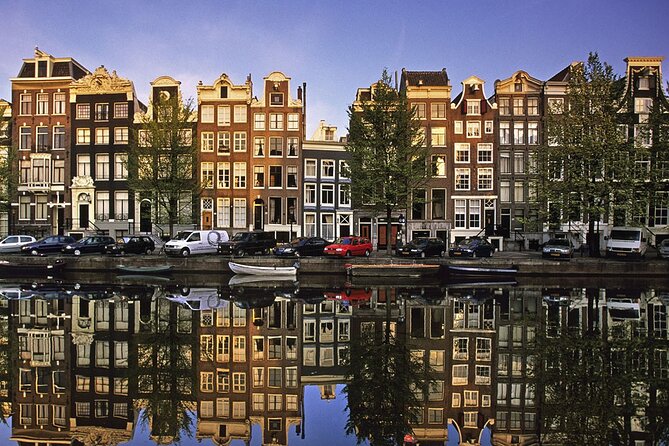
After the medieval-meets-19th-century opener, the route leans into canals and civic buildings. You will pause at Het Kleinste Huis van Amsterdam, the smallest house in Amsterdam, on the canal Singel. This is one of those stops where the details are the point: the guide shares the meaning behind grachten, the canals themselves, and how their purpose and maintenance shaped city life. You also get trivia about narrow, tall, sometimes leaning houses and bridge stories, which helps you read what you see as more than just pretty photos.
A short walk brings you to De Waag. It is often translated as the city’s weigh-building, also known as a former customs house, and it served as headquarters of several guilds. Dating to the beginning of the 15th century, it also ties back to defense, because it used to be one of the gates into the inner city. If you like places where commerce and politics overlap, this is a strong stop.
Then you hit Ons’ Lieve Heer op Solder, the “Lord in the Attic” museum. This is the famous secret church in Amsterdam, restored and used today as a museum. The itinerary keeps the museum itself as a ticketed visit, so if you want to go in, you will need to pay the separate entrance fee. Either way, the guide’s explanation helps you understand why it was hidden and what it took for faith to survive in secret.
Finally, there is Fo Guang Shan, a traditional Chinese Buddhist temple in the heart of Amsterdam’s Chinatown. It is described as the second biggest of its kind in Europe. This moment widens the lens, so Amsterdam stops being only a story of canals and Dutch monarchs, and starts feeling like a city that kept absorbing new communities.
Chinatown to De Wallen: context you can handle
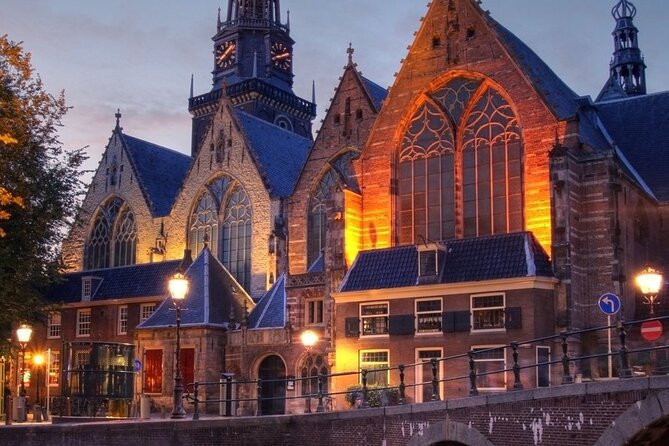
At Red Light District (De Wallen), you get a short walking break and a moderated discussion lasting about 30 minutes. The guide focuses on the history of prostitution and the way Dutch drug policy is treated, including a careful yes-and-no framing. Importantly, it is not presented like a circus, it is presented like a social policy and history story, and the guide offers guidance on how to enjoy the area respectfully while staying within the law.
This stop also reflects what the city is like at street level. Amsterdam can feel contradictory in one block, and you will see elements such as old inner-city church areas, coffee shops, the lit canal-side cabins, and nearby museums, restaurants, and theaters. Even if you feel awkward at first, the structured talk helps you process what you are seeing without turning your trip into an argument with yourself.
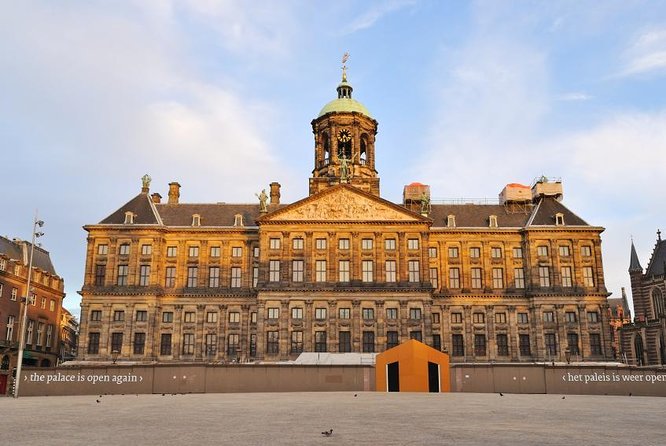
Next up is Dam Square, one of the city’s oldest squares and the birthplace of Amsterdam, with major landmarks around it. This includes the Royal Palace, the New Church, the National Monument, and well-known attractions in the square’s orbit. Dam Square can be busy, so the value here is having someone interpret what matters rather than getting swept up in the noise.
A different way to spend an afternoon around Amsterdam:
- Amsterdam: Van Gogh Museum Ticket
★ 4.7 · 52,054 reviews - Amsterdam: Heineken Experience Ticket including 2 Drinks
★ 4.6 · 36,014 reviews - Amsterdam Classic Saloon Boat Cruise with Drinks and Cheese
★ 5.0 · 31,825 reviews - Amsterdam Luxury Canal Cruise + Unlimited Drinks & Bites option
★ 5.0 · 30,518 reviews
Royal Palace, Nieuwe Kerk, and the National Monument: power meets memory
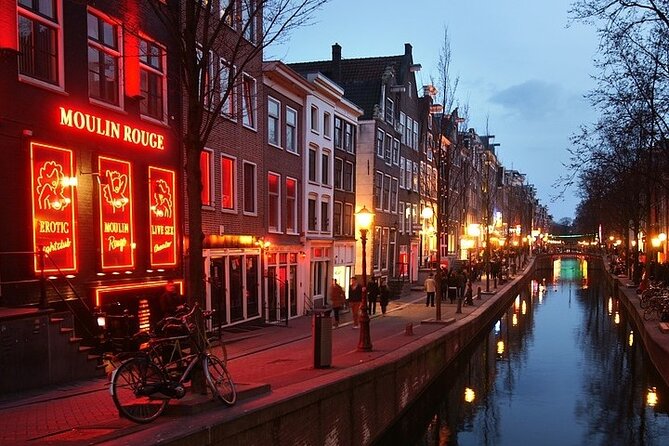
From Dam Square, you step into Dutch official history at Royal Palace Amsterdam. It was the former City Hall from the middle of the 17th century, and it is one of three official residences of the Dutch Royal Family. This is not included as a ticket stop on the tour, so you would pay the separate entrance fee if you want to go inside.
Then comes National Monument, a remembrance site with a 22-meter stand dating to 1956, commemorating casualties of World War II and subsequent armed conflicts. Even if you are not a monument person, this is where the walking tour starts to feel heavier, in a necessary way. It anchors the earlier stories of power and trade to real human cost.
After that, you reach Nieuwe Kerk. The building dates to the 15th century and started as a worship church of the Dutch Reformed Church, but it is still used today for royal weddings and crowning ceremonies. Like the Royal Palace, it is a ticketed stop if you want to enter.
This section is a good test of what kind of traveler you are. If you want a quick photo run, Dam Square does that. If you want to understand why Dutch identity is tied to places of ceremony and remembrance, this is the part that clicks.
Begijnhof and Munt Tower: hidden corners and the old gate logic
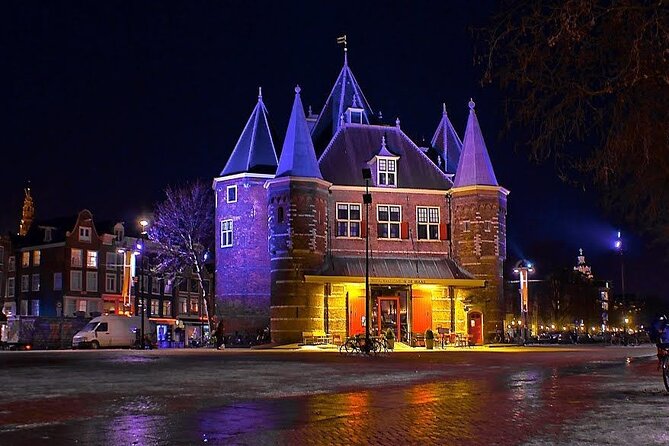
One of the tour’s calm highlights is Begijnhof. This is a hidden place and memorial area dedicated to the Beguines, a semi-closed religious order similar to nuns. The guide also connects the Begijnhof with a secret Catholic church and shares the story of the oldest wooden house in Amsterdam on the grounds. You will also hear about the English Church and stories tied to Cornelia Arens and the Miracle of Amsterdam from 1345.
This stop is a breather, and it is not just because it is tucked away. The Begijnhof is also a reminder that “Amsterdam architecture” is not only canals and gables, it is also community design and religious survival.
After the quiet courtyard feeling, you move to Munt Tower (Munttoren). It was erected in the 15th century at the meeting point of the river Amstel and Singel, one of Amsterdam’s oldest canals. It served as a gate into the medieval city and was a coin-minting place in the 17th century. If you have been wondering how Amsterdam funded its growth, this is a nice shortcut answer.
Rembrandt’s world, the flower market, and the road to Anne Frank House
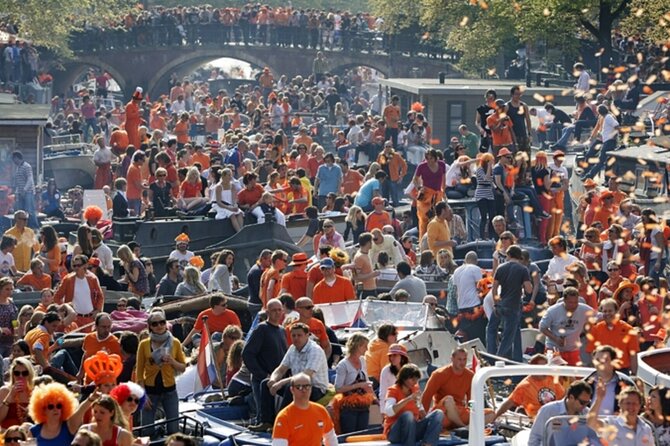
The next key stop is Rembrandt Monument. The guide connects the monument with a 3D presentation of Rembrandt’s most famous masterpiece, The Night Watch. Even if you already know the title, this is where you get helpful trivia about the artwork and also about Rembrandt’s private life, which makes the story feel more human.
Then you will visit Amsterdam’s big flower and garden accessories market, a famous place for flower lovers. It is a good spot for tulip bulbs and other bulbs, and it is designed for browsing rather than checking off a list. If you want a simple souvenir that also makes sense at home, this is one of the most logical stops on the route.
Next comes Sint Luciënsteeg, connected to the city orphanage, the Burgerweeshuis, dating to 1580. The lane is also known for stone gables and stone tablets that refer to house identities over medieval ages. It is only about 15 minutes, but it is memorable because it makes the city feel lived in by ordinary people, not only by monarchs and painters.
Then, one of the most important parts of the day: Anne Frank House. Tickets are not included, and you can only book online, with at least 6 weeks advance notice. The guide helps you understand the context, including life in the secret shelter, suffering, and human solidarity, plus the story of Anne’s diary translated into 57 world languages.
This is also where you need to be realistic about pacing. If your priority is Anne Frank House as a must-enter experience, plan to arrive prepared and stay flexible, because timing is part of how the visit works.
Right after that, you stop at Westerkerk. It is the third oldest church in Amsterdam after South and North, from 1631, and it is known for its leaning tower. The guide also shares the story of it being a wedding place of former Queen Beatrix and mentions the legend of Rembrandt’s burial place nearby. Westerkerk is another ticketed stop if you want to enter.
The Amstel and Jodenbuurt: bridges, river views, and the Jewish Quarter
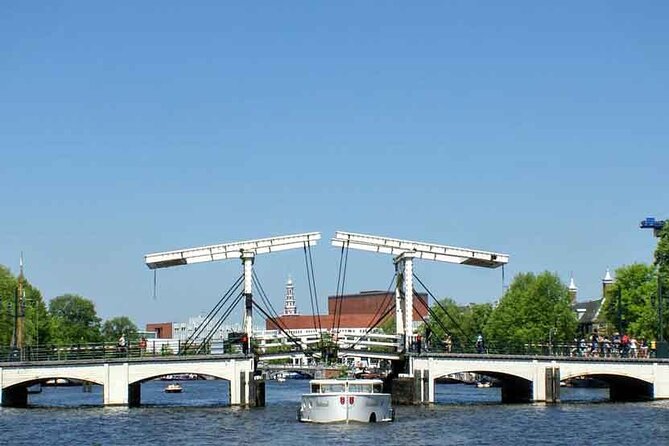
You then shift back to scenery with The Amstel. You get views to the river and nearby buildings, plus some of Amsterdam’s best-known bridges, including the Blue Bridge and the Skinny Bridge. This is one of the best moments to pause, take photos, and just let the city’s layout sink in. It is short, about 10 minutes, but it resets your brain after indoor-heavy stops.
Next is Jodenbuurt, also called Plantage, the Jewish Quarter. From the late 16th century until WWII, many Jews lived here, and the area holds important buildings for the community across centuries, along with Holocaust monuments and memorials. This stop gives your tour emotional balance, moving from art and royal ceremony into remembrance and human history.
The itinerary ends back where you started, at Amsterdam Centraal.
What you should know before you go
A few practical notes will help you have a smoother day.
First, entrance fees add up. Several major stops are not included, including Royal Palace Amsterdam, Westerkerk, Anne Frank House, Nieuwe Kerk, and Ons’ Lieve Heer op Solder. On top of that, the tour mentions an Old Center entrance fee for adults and students, so it is worth planning a realistic total budget rather than focusing only on the tour price.
Second, if you hate tight schedules, this tour is still fine, because it is private. You can ask to linger for pictures, and you can ask questions when something piques your curiosity. That said, it is still a structured 5-hour walk, so do not expect to add a bunch of extra paid attractions mid-day.
Third, De Wallen is covered directly, with a short moderation discussion on prostitution and drug policy. If you are very uncomfortable with that topic, you might want to think about whether you want this part of the city in your first-day orientation.
Should you book this Golden Age Amsterdam private walking tour?
I would book it if you are:
- coming to Amsterdam for the first time and want your bearings without wasting time
- the type who likes context, like why canals are shaped the way they are, and how trade and religion shaped buildings
- traveling with a small group, especially up to 4 people, where private pacing is actually useful
- bringing kids, since Aleks has been praised for adjusting his storytelling so different ages stay engaged
I would think twice if you:
- want only ticketed indoor attractions and plan to spend lots of time inside, because several entries are not included
- are hoping for a purely “pretty canals and museums only” itinerary, since De Wallen is part of the route
If you want an Amsterdam that makes sense as a whole, not just as a pile of photos, this is a strong way to start. Plan for paid entries, especially Anne Frank House, and you will get a day that feels like a guided map of both the Golden Age and the more complicated parts of the city.
FAQ
How long is the Golden Age Amsterdam Private Walking Tour?
It lasts about 5 hours.
How many people are in a group?
The maximum group size is 4 travelers.
Where does the tour start and end?
It starts at Amsterdam Centraal railway station, Stationsplein, 1012 AB Amsterdam, and it ends back at the meeting point.
Is pickup available?
Yes, pickup is offered.
What attractions have entrance fees not included in the tour price?
Royal Palace Amsterdam, Westerkerk, Ons’ Lieve Heer op Solder, Anne Frank House, and Nieuwe Kerk are listed as not included. There is also an Old Center entrance fee listed.
Do I need to book Anne Frank House in advance?
Yes. Anne Frank House tickets can only be booked online and at least 6 weeks in advance.
Is there an admission fee for the Red Light District stop?
The Red Light District stop is listed as admission ticket free, and the tour includes a moderated discussion there.
What day and time does the tour run?
The provided opening hours list Monday from 11:00 AM to 5:00 PM.
What is the cancellation policy?
Free cancellation is offered. You can cancel up to 24 hours in advance for a full refund. If you cancel less than 24 hours before the start time, the amount paid is not refunded.
Newest bookings around Amsterdam
- Amsterdam Breakfast Cruise on Private Luxury Boat★ 5.0 · 5 reviews
- Amsterdam-West Food Tour with local guide★ 5.0 · 16 reviews
- Amsterdam: Explore the Van Gogh Museum & His Masterpieces★ 3.5 · 64 reviews
- Van Gogh Museum Tour excluding Entrance Tickets★ 5.0 · 16 reviews
- Van Gogh Museum with Audio Guide★ 3.5 · 80 reviews
- Van Gogh Museum Entry Ticket and Guided Tour★ 4.5 · 48 reviews
- Van Gogh Museum Ticket with Audio Guide and Unlimited Access Time★ 5.0 · 25 reviews
- Van Gogh Museum Private Tour★ 5.0 · 5 reviews
Walking Tours, compared.

Amsterdam Anne Frank: Small-Group Walking Tour & Local Guide
Read our review →
Anne Frank’s Story – Guided Walking Tour through Amsterdam
Read our review →
Absolutely Amsterdam – the Essential Introductory Walking Tour
Read our review →
Anne Frank Guided Walking Tour in DE/EN/IT/ES
Read our review →
Anne Frank Walking Tour Amsterdam Including Jewish Cultural Quarter
Read our review →Browse the lists this tour appears in