
REVIEW · ZAANSE SCHANS & WINDMILL TOURS
Zaandijk-Near Zaanse Schans Chocolate making demo & tasting
Chocolate, made in plain sight.
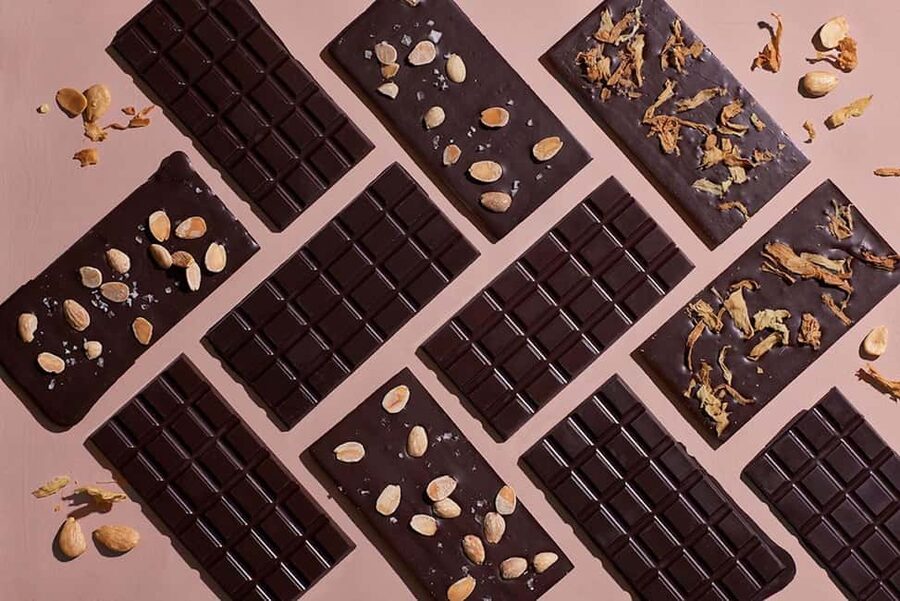
In Zaandijk near Zaanse Schans, this semi-mechanized atelier shows you how cacao beans become chocolate you can smell and taste at multiple stages, not just at the end. Bean-to-bar work, up close.
I especially like two parts. First, you get real interaction, like running the winnowing machine and influencing the roasting level. Second, the session is built around tastings, so you can compare intermediate samples to the final bars and bonbons. Tasting drives the learning.
One consideration: it is short, 45 minutes, so if you want a long, fully hands-on workshop with lots of time at the workbench, you might find the pace brisk. Also, some add-ons can cost extra depending on what you choose to do.
In This Review
- Key highlights you should clock before you go
- Why this Zaandijk chocolate demo fits a Zaanse Schans day
- Finding Kin & co. at the pitched green roof (the easy way)
- What happens during the 45 minutes, step by step
- Roasting cacao beans, and deciding how far to go
- Winnowing, where you literally sort the material
- Grinding and the move from bits to paste
- Tempering, where chocolate becomes glossy and ready
- A tasting rhythm tied to each stage
- What you taste: intermediate samples, finished sweets, and sometimes more
- Why this tasting method is good value
- The local cacao heritage of the Zaan, explained in plain language
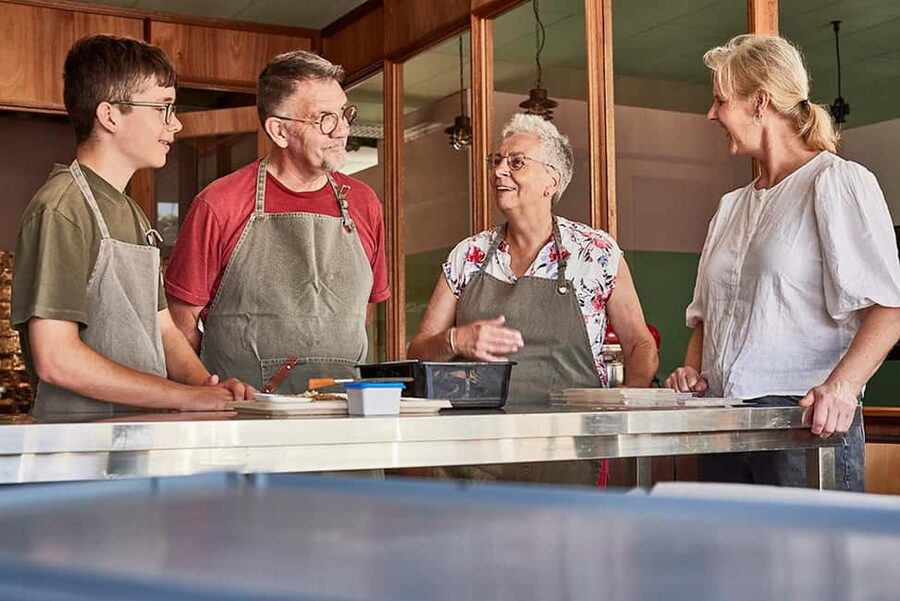
- Languages and the small-group feel that makes questions easier
- No bare feet, and no alcohol, so plan accordingly
- Price and value: is $29 worth 45 minutes?
- Who should book this, and who might not love it
- Should you book Kin & co. for the Zaandijk chocolate demo?
- FAQ
- How long is the Zaandijk-Near Zaanse Schans chocolate making demo and tasting?
- Where do I meet for the chocolate demo?
- What does the demo cover?
- Will I taste chocolate during the activity?
- What languages are available?
- Are there any rules I should follow?
Key highlights you should clock before you go
- A bean-to-bar demo in Zaandijk, right by the Zaanse Schans area
- Hands-on moments, including operating the winnowing machine
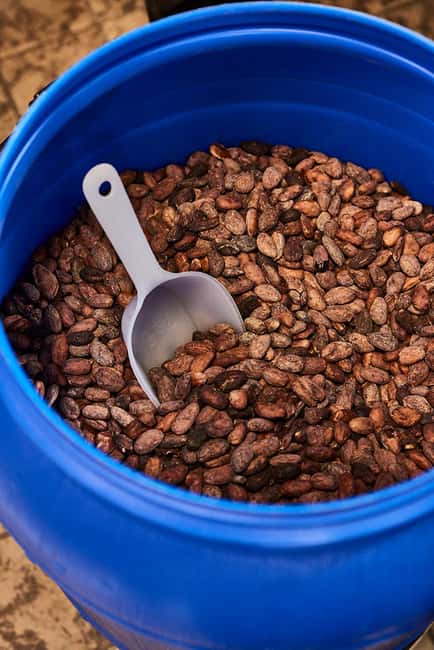
- Roasting, grinding, tempering, explained with smells and close-up visuals
- Intermediate and finished tastings, so you taste the process, not just the result
- Local cacao heritage stories, tied to the river Zaan
- Optional extra making, like a Dutch truffle in some sessions, based on what you’re offered
Why this Zaandijk chocolate demo fits a Zaanse Schans day
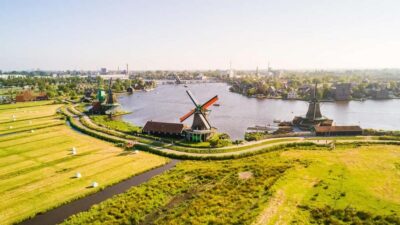
If your day in Zaanstad feels like a set of photo stops, this is the fix. You still get to be near the famous windmills, but you trade postcard sightseeing for something more sensory: cacao that gets roasted, ground, and tempered in front of you.
The value here is not just that chocolate exists. It is that you see how small changes in the process create different flavors. A lot of chocolate tours stop at the pitch, then hand you one sweet piece. This one is structured around the workflow, with tastings built into it.
And because the atelier sits in historical Zaandijk close to Zaanse Schans, it is easy to combine. You can do windmills first, then come in for the smell of cacao and the mechanics of turning beans into bonbons.
More windmill trips to Zaanse Schans:
- From Amsterdam: Zaanse Schans, Volendam & Marken Day Trip
★ 4.4 · 18,501 reviews - Amsterdam: Zaanse Schans, Edam, Volendam & Marken Bus Tour
★ 4.6 · 15,034 reviews - Day Trip to Zaanse Schans, Edam, Volendam and Marken from Amsterdam
★ 5.0 · 5,392 reviews
Finding Kin & co. at the pitched green roof (the easy way)
The meeting point is specific, so I’d treat it like a treasure hunt you can actually win. Look for a pitched green roof and the door marked Kin & co. The windows have decals that point you to the right place, including words like Chocolade and from Bean to Bar.
If you prefer not to guess, stand outside and scan for those window decals before you move on. It is quicker than wandering down the street hoping for a chocolate smell to guide you.
What happens during the 45 minutes, step by step
This experience is about watching the process of converting cacao beans into chocolate you can taste. The atelier is semi-mechanized, meaning you will still see machinery doing key steps, but the workflow is simple to follow rather than hidden behind a factory wall.
Here’s the typical flow, and what to pay attention to as you move through it:
Roasting cacao beans, and deciding how far to go
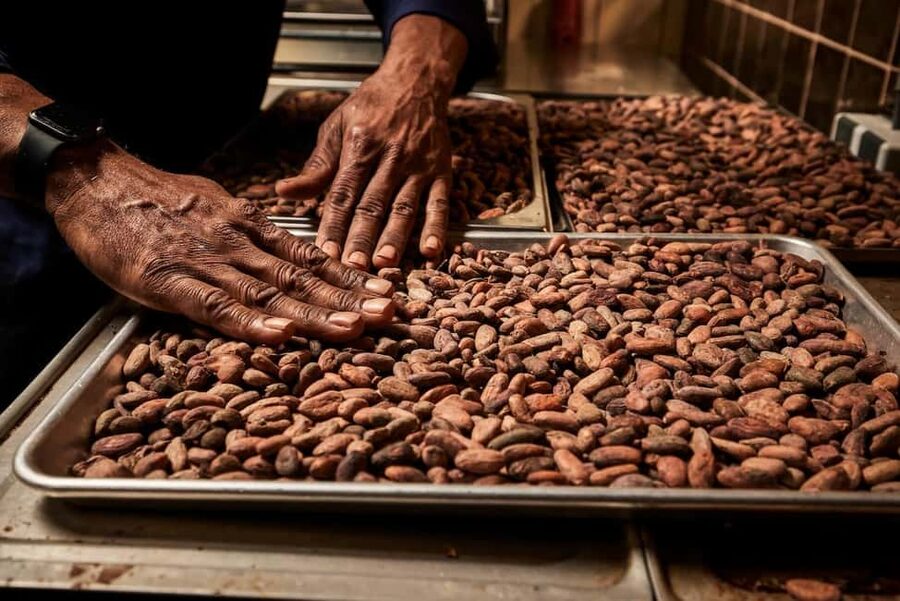
You start with roasting. This step matters because it is where raw cacao shifts into something aromatic. Roasting level affects how bitter, nutty, or chocolatey the flavor becomes.
What I like about this part is that you do not just listen. You can determine what level of roasting you think is best. That small choice makes the later tastings feel like evidence, not just a lecture.
More food tours in Zaanse Schans:
- Amsterdam: Zaanse Schans, Cheese Tasting & Volendam Tour
★ 4.9 · 679 reviews - Zaanse Schans and Cheese Tasting Guided Tour from Amsterdam
★ 4.0 · 661 reviews - Amsterdam: Cheese Tasting, Windmill & Countryside Bike Tour
★ 4.7 · 386 reviews - Amsterdam: Experience Edam, a Cheese Tasting, and a Windmill
★ 4.5 · 7 reviews
Winnowing, where you literally sort the material
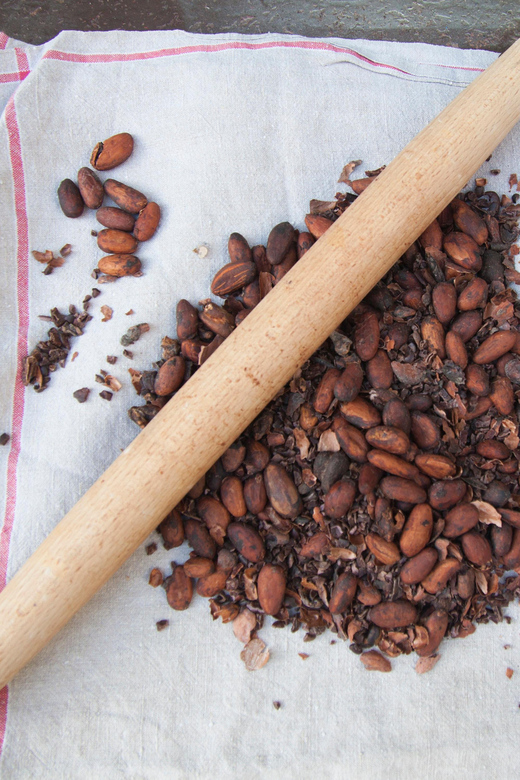
Next comes winnowing. If roasting is where aroma is born, winnowing is where the process gets practical, separating parts so the next steps stay consistent.
The experience is designed so you can operate the winnowing machine. Even if you are not an engineer, you will get a feel for how the motion and airflow change what ends up moving forward.
Grinding and the move from bits to paste
Then you witness grinding. Beans become smaller, then you get to the paste stage. This is where the texture story becomes real, because cacao goes from coarse to smooth enough to work with.
This is also where you start to understand why chocolate-making is not one big action. It is repeated small actions, controlled over time. If you enjoy food science in a casual way, this portion will click.
Tempering, where chocolate becomes glossy and ready
Tempering is the step people mention for a reason. It’s where chocolate develops the right structure so it sets properly and has that classic look.
The demo includes tempering as part of the process you see up close. Even without getting a lab coat, you can connect tempering to what you later taste in the finished pieces.
A tasting rhythm tied to each stage
The session does not save all the sweetness for the end. You taste intermediate and finished products during the demonstration, so you get to compare what each stage does to flavor.
This is a big deal. Chocolate is easy to forget once it melts in your mouth. Tastings during the process help you remember what step created what.
What you taste: intermediate samples, finished sweets, and sometimes more
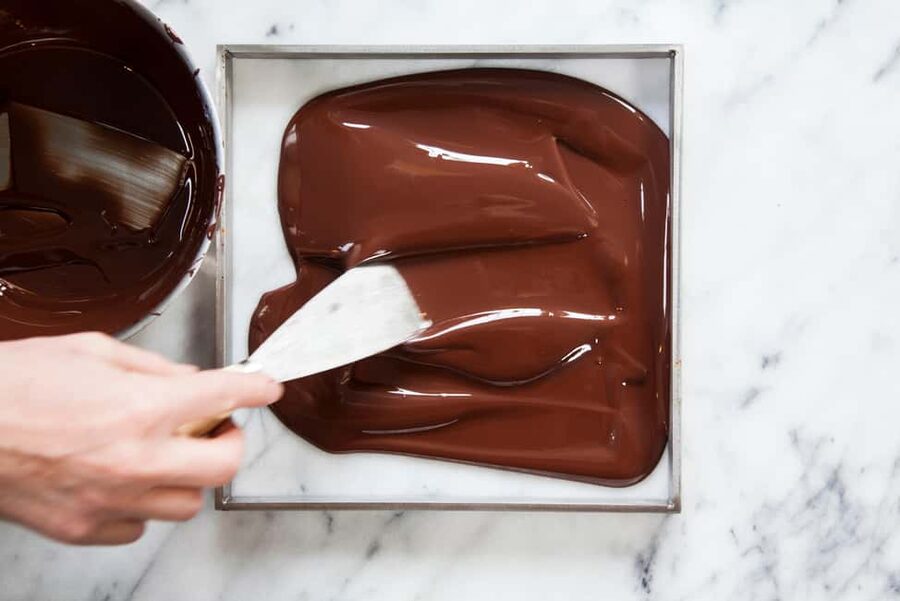
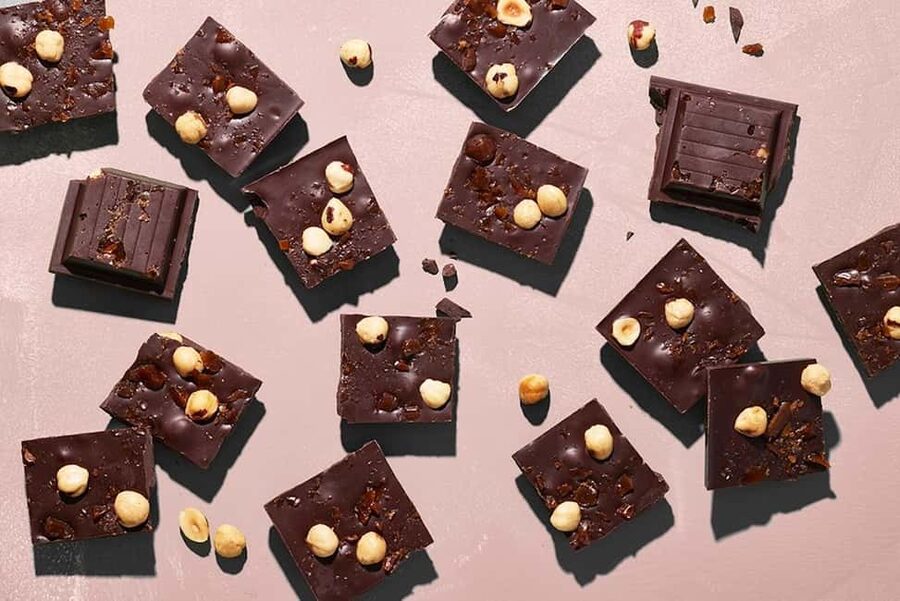
Expect product tastings throughout, including intermediate samples and finished chocolates and bonbons. The idea is simple: you will not just be eating chocolate, you will be learning to notice differences.
Based on what participants have described, the variety can be more interesting than just a standard bar:
- You compare intermediate results to the final product, so you can taste change, not just sweetness.
- You try different chocolates connected to the bean-to-bar story.
- In at least one class, the instructor offered a taste of juice from the cocoa flesh, which gives you a glimpse of the wider cacao ingredient, not only the bean.
Even if you do not get the cocoa flesh juice in every session, you can count on the main promise: intermediate and finished tastings.
Why this tasting method is good value
At $29 for about 45 minutes, the cost can be justified only if you get more than one bite. Here, the tastings are part of the teaching plan. You learn because you taste repeatedly, and your brain can connect steps to outcomes.
Also, the atelier includes stories about cacao heritage in the area. That matters because chocolate often feels like a global commodity. Tying it to the river Zaan heritage helps you see it as something rooted in place, not imported mystery.
The local cacao heritage of the Zaan, explained in plain language
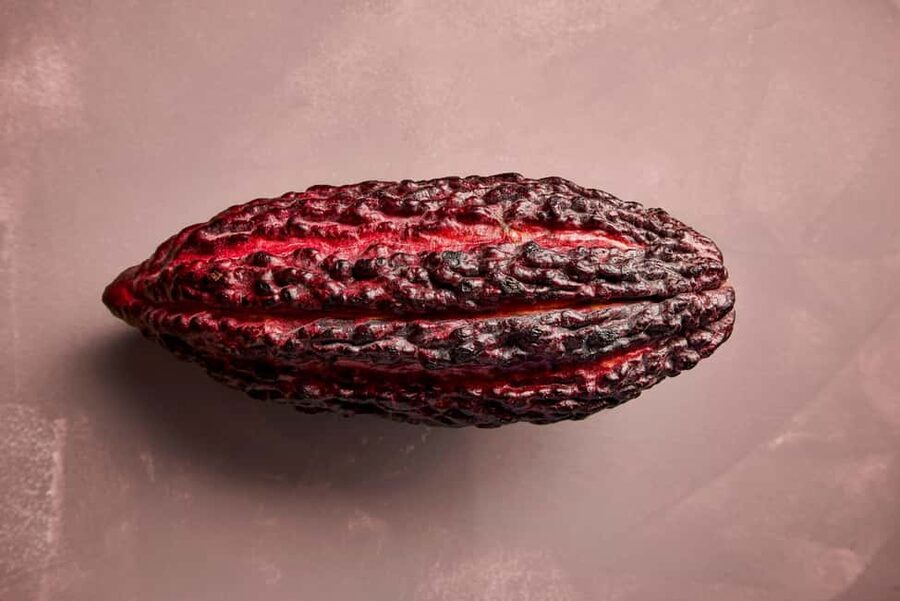
This is a small artisanal atelier, and the demo is designed to be easy to follow. That comes across in the way they connect the mechanics to local context.
The experience includes stories about the rich cacao heritage of the river Zaan. You also learn that beans are sourced from local cocoa bean suppliers who aim to ensure fair prices for local cacao growers. The claim is tied to quality and flavor, and the point for you is practical: you are learning why supply chains affect what ends up in your chocolate.
If you care about ethical sourcing but get bored by heavy speeches, this is the kind of story that usually lands better. It is short, linked to the ingredients in front of you, and reinforced by tastings.
Languages and the small-group feel that makes questions easier
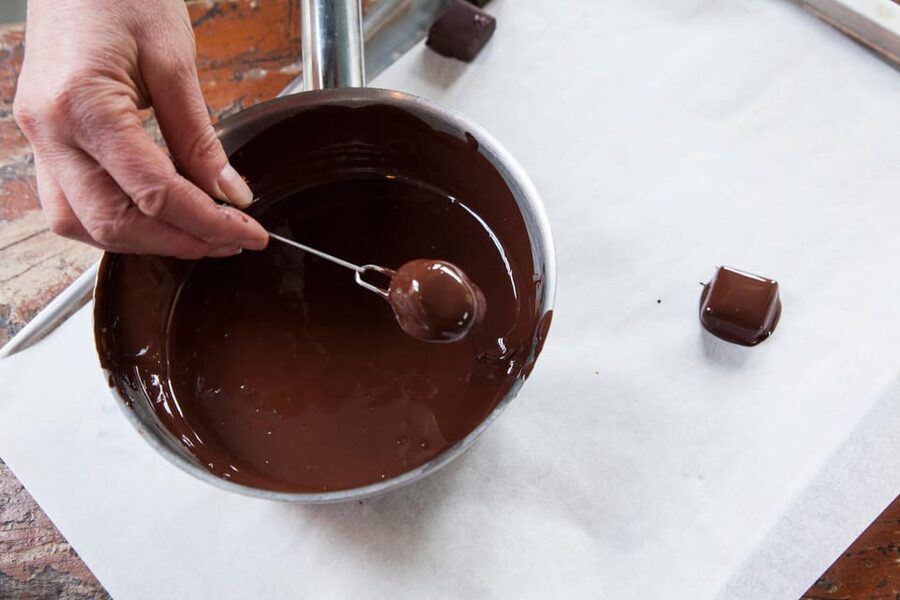
The instructor can speak English, Dutch, Portuguese, and Spanish. So if you want explanations in a language you actually speak, you have options.
What really helps is that this is not a massive show. Multiple participants have highlighted that smaller groups leave room for questions. If you like to ask things like why tempering works a certain way or what roasting level changes, you are more likely to get an answer than if you are stuck behind a crowd.
If you enjoy learning through back-and-forth, this style fits you.
No bare feet, and no alcohol, so plan accordingly
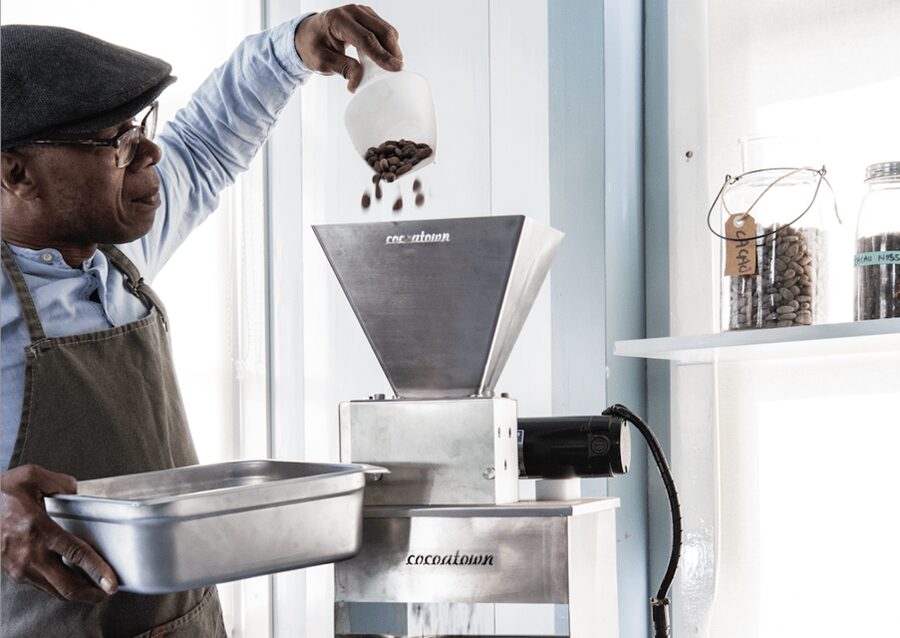
You do not need to dress up, but do not come in with bare feet. The rules also note no alcohol and drugs.
Practical take: wear normal closed-toe shoes. Since you are near production steps, that is the safest default and it helps you feel comfortable when you watch the machines and taste samples.
Price and value: is $29 worth 45 minutes?
Let’s talk straight. $29 for 45 minutes is not bargain-bin pricing. It can feel fair only if the session gives you real learning and a meaningful tasting.
In this case, you do get both:
- The demo covers the chain from roasted beans through grinding and tempering.
- You get tastings of intermediate products and finished chocolates and bonbons.
- You also get cacao heritage storytelling, tied to the river Zaan and local sourcing.
So for the price, you are paying for ingredient education plus multiple taste checkpoints. That tends to be a better deal than a longer tour that offers only one sample at the end.
One note from a participant: they felt an extra chocolate-making component and its cost did not match their expectation. If you care about taking something home or making a specific item, keep your expectations aligned with what your session includes.
Who should book this, and who might not love it
I’d point you here if:
- You love chocolate and want to understand it beyond marketing claims
- You enjoy food process demos with sensory steps like smell, touch, and taste
- You are already in the Zaanse Schans area and want an activity that is close, not far, not complicated
I’d skip it if:
- You want a long, hands-on workshop where you do every step yourself for a couple of hours
- You only want a quick sweet snack with no process education
The sweet spot is “I want to learn the basics and taste my way through the steps.”
Should you book Kin & co. for the Zaandijk chocolate demo?
Yes, if your goal is a focused, sensory, bean-to-bar learning session that fits neatly into a Zaanse Schans day. This place sells a clear concept: see the process, smell it, then taste it at multiple points so you can actually connect steps to flavor.
If you know you are looking for a long, fully hands-on workshop with lots of making time and take-home production, you may feel that 45 minutes is short. But for most chocolate lovers, this is a smart use of time, especially because the atelier is right where you are already going anyway.
FAQ
How long is the Zaandijk-Near Zaanse Schans chocolate making demo and tasting?
The experience lasts 45 minutes.
Where do I meet for the chocolate demo?
Meet at the pitched green roof outside the Kin & co. location. The door has the name Kin & co., and the windows have decals with words like Chocolade and from Bean to Bar.
What does the demo cover?
You see the process from unprocessed cacao beans through roasting, winnowing, grinding, and tempering. The session includes demonstrations of the whole chocolate making process.
Will I taste chocolate during the activity?
Yes. You get product tastings of intermediate and finished products, including chocolates and bonbons.
What languages are available?
The instructor offers English, Dutch, Portuguese, and Spanish.
Are there any rules I should follow?
Alcohol and drugs are not allowed, and bare feet are not allowed. Closed footwear is the safe choice.
Newest bookings around Zaanse Schans
- Keukenhof’s Tulips and Windmills Small-Group Tour from Amsterdam★ 4.5 · 205 reviews
- Private Guided Keukenhof Gardens and Zaanse Schans Tour★ 5.0 · 7 reviews
- Amsterdam: Experience Edam, a Cheese Tasting, and a Windmill★ 4.5 · 7 reviews
- Amsterdam Private Tour to Keukenhof, Tulip Fields and Windmills★ 5.0 · 28 reviews
- Best of Dutch Countryside: Giethoorn, Windmills, Secret Villages★ 4.5 · 106 reviews
- Kinderdijk Windmills and Delft Small-Group Tour from Amsterdam★ 5.0 · 21 reviews
- Zaanse Schans Windmills, cheese and clogs and Volendam tour from Amsterdam★ 5.0 · 14 reviews
- Private Guided Senior Countryside Windmill Tour★ 5.0 · 4 reviews
Zaanse Schans & Windmill Tours, compared.
Zaanse Schans, Edam, Volendam & Marken Bus Tour
Read our review →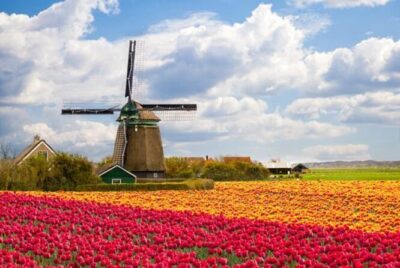
Day Trip to Zaanse Schans, Edam, Volendam and Marken from Amsterdam
Read our review →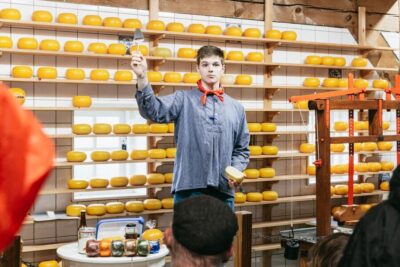
Guided Zaanse Schans, Windmills & Cheese Tour
Read our review →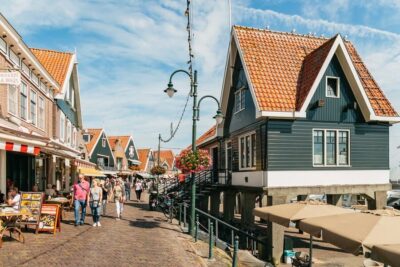
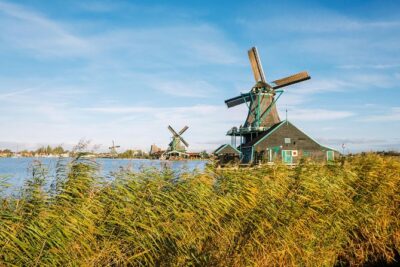
Windmill Tour from Amsterdam, Including Volendam & Marken
Read our review →
Tour to Keukenhof Gardens with Windmill Cruise
Read our review →
Zaanse Schans Windmills, Clogs and Dutch Cheese Small-Group Tour from Amsterdam
Read our review →Browse the lists this tour appears in