REVIEW · TICKETS
Vught: National Monument Concentration Camp Entry Ticket
Camp Vught is history you can walk through. You visit the former SS concentration camp Konzentrationslager Herzogenbusch (National Monument Camp Vught), where exhibits focus on personal stories and everyday objects, not vague speeches.
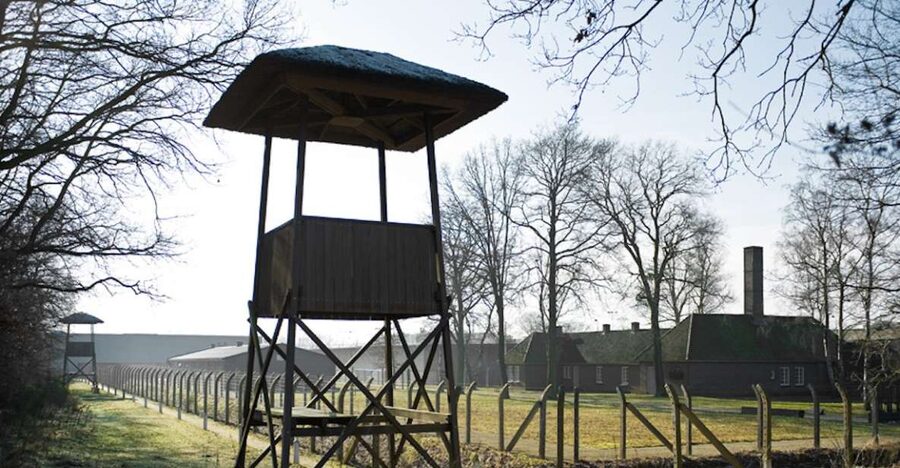
I especially like the way the visit is built around Camp Vught: Seven Seasons and 32,000 Stories, then continues outdoors to the original grounds, including watch towers and the crematorium. I also like the added perspective from If Walls Could Speak, which follows how the site was used in later periods, so you understand the occupation of the Netherlands in a fuller way. One drawback to plan for: the route to the execution site is about 4 kilometers, so comfortable shoes really matter, especially if you want time to sit and absorb what you’re seeing.
In This Review
- Key highlights you should care about
- Entering Camp Vught: a place that explains the SS camp outside Germany
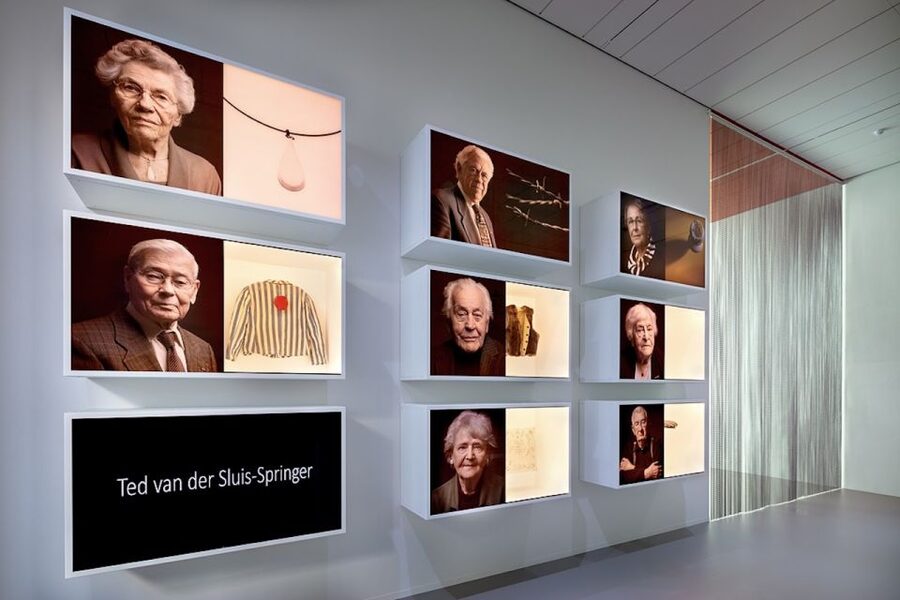
- The permanent exhibition: Camp Vught: Seven Seasons and 32,000 Stories
- A note on pacing
- Moving outdoors: model camps, barracks, watch towers, and the crematorium
- The reconstructed barracks and what they do for you
- Barrack 1B: the last remaining original barrack
- If Walls Could Speak: four periods, one site, changing layers of occupation
- Why this matters for how you remember the visit
- The execution site walk: 4 kilometers through the woods
- How to handle the distance without rushing
- Freight wagons, railway lines, and why the site feels brutally logical
- Practical details that affect your day (and your comfort)
- Who might find this less suitable
- Price and value: about $14 for a full, self-paced 1-day memorial
- When to go and how long to plan for
- Is it worth booking? My practical take
- FAQ
- How long is the visit?
- What’s included with the entry ticket?
- Are there audio guides, and what languages are available?
- How far do I need to walk to reach the execution site?
- Are cloakroom lockers free to use?
- Is the site wheelchair accessible?
- Is Camp Vught suitable for children?
Key highlights you should care about

- Seven Seasons and 32,000 Stories turns WWII history into many personal narratives, with objects you can slow down to read.
- Outdoor remains you can’t fake include watch towers, the original crematorium, and reconstructed barracks.
- Barrack 1B is the last remaining original barrack, so you’re seeing something rare, not a generic replica.
- Four-period context in If Walls Could Speak explains what happened to the site after the camp era.
- The execution site in the woods includes a memorial marking where 329 men were executed.
- Restored freight wagons along the former railway line add a stark, visual reminder of deportation.
Entering Camp Vught: a place that explains the SS camp outside Germany
Camp Vught matters because it is the only SS concentration camp outside Nazi Germany. That single fact helps you understand why this site feels both local and terrifyingly international. You’re in the Netherlands, but the camp system was part of a larger machine, run with brutal logic, paperwork, and schedules.
What makes the experience work is the focus on people. Instead of treating the camp like an abstract symbol, the memorial centre builds your understanding through stories and objects tied to prisoners from 35 different nationalities. That mix matters, because it shows how WWII touched many backgrounds, not just one group.
A handful of other Netherlands outings
- Amsterdam: Van Gogh Museum Ticket
★ 4.7 · 52,054 reviews - Amsterdam: Heineken Experience Ticket including 2 Drinks
★ 4.6 · 36,014 reviews - Amsterdam: Rijksmuseum Entry Ticket
★ 4.7 · 29,512 reviews
The permanent exhibition: Camp Vught: Seven Seasons and 32,000 Stories
If you want the visit to make sense fast, start indoors with Camp Vught: Seven Seasons and 32,000 Stories. This permanent exhibition gives you the origins of Camp Vught and the lives of the people imprisoned there, using many personal narratives and physical items connected to those stories.
Here’s what I think you’ll appreciate once you’re inside: the exhibition is organized around “seasons” of the camp and thousands of stories, so you can track how life changed over time. That is useful because concentration camps were not static. Conditions could tighten, loosen, or shift depending on the phase of the war and the Nazi regime’s needs.
You’ll also come away with a clearer sense of what occupation meant day to day. The exhibition includes stories about people from different nationalities, each experiencing the war in their own way. In practice, that means you won’t leave with just one emotional storyline. You’ll leave with a map of how the occupation touched different kinds of lives.
A note on pacing
If you tend to read every label, plan extra time. This exhibition rewards slow attention. If you’re short on time, you can still get the big picture, but you’ll want to pick a few stories to follow closely rather than trying to cover everything in a rush.
Moving outdoors: model camps, barracks, watch towers, and the crematorium
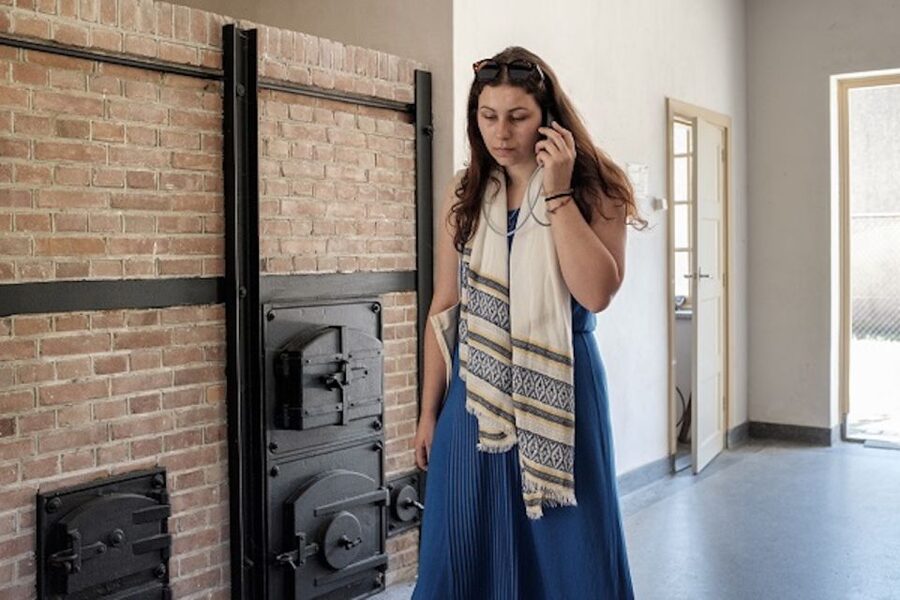
After you’ve got context from inside, the outdoor area hits harder. You transition from explanation to evidence you can look at from multiple angles. Outdoors includes a model of the former campsite, a reconstructed barracks area, several watch towers, and the original crematorium.
What makes these stops meaningful is how they connect. The watch towers aren’t just “things to see.” From there, you can grasp how surveillance shaped daily life. The crematorium connects the site to the final stages of Nazi persecution, and it’s one of the most difficult elements to walk past.
Also, take a moment for the memorial to the children’s transports from June 1943. Even if you know the general history of deportations, this reminder forces your attention onto the specific targeting of children. It’s not a side note here, it’s part of what the memorial chooses to emphasize.
A different way to spend an afternoon around Netherlands:
- Amsterdam Classic Saloon Boat Cruise with Drinks and Cheese
★ 5.0 · 31,825 reviews - Amsterdam Luxury Canal Cruise + Unlimited Drinks & Bites option
★ 5.0 · 30,518 reviews - Amsterdam: Classic Saloon Boat Cruise with Cheese & Wine
★ 4.6 · 27,035 reviews - Amsterdam: Evening Cruise with Optional Wine and Snacks
★ 4.4 · 22,178 reviews
The reconstructed barracks and what they do for you
The reconstructed barracks are important because they give shape to life that otherwise might stay “in documents.” Just remember, reconstructed spaces still represent what existed, not a time machine. Your job is to use them to visualize the stories you just learned indoors.
Barrack 1B: the last remaining original barrack
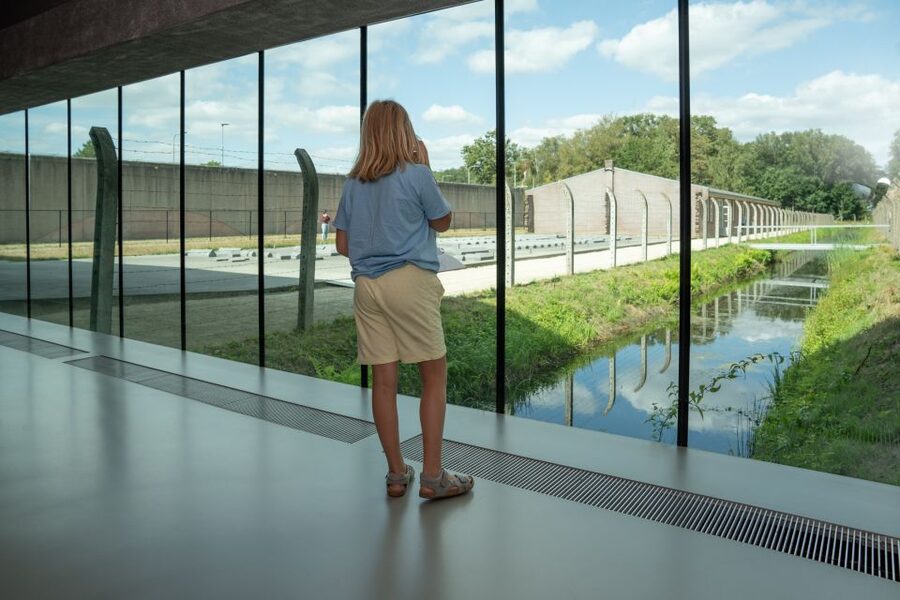
Next, make sure you spend time with Barrack 1B. This is the last remaining original barrack from Camp Vught, so it carries weight in a different way than replicas.
I like this stop because it gives you a physical anchor. When you’re standing in an original structure, your imagination doesn’t have to do all the work. The space itself helps you understand scale, confinement, and the feeling of being reduced to quarters, routines, and control.
If you need a pause, there are portable compact museum chairs available in the hall area so you can rest without having to fully stop your whole route. For longer visits, this small detail can save your energy.
If Walls Could Speak: four periods, one site, changing layers of occupation
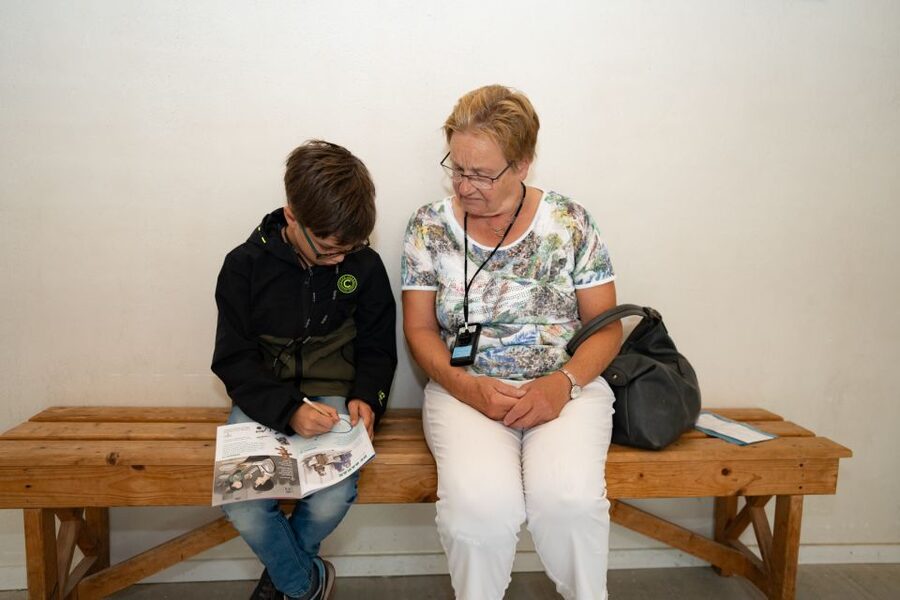
One reason I think Camp Vught is worth planning for is the exhibition If Walls Could Speak. It covers four periods tied to this site:
- the concentration camp period (1943 to 1944)
- a later use of the site for residence for German civilian evacuees
- the use of the site connected to Dutch people suspected of collaboration
- the arrival and presence of Moluccan KNIL soldiers and their families
That structure helps you understand something many visitors miss: the war’s impact did not end when the camp closed. The site becomes a lens for the shifting politics and pain that followed. By the time you leave, you’re not only thinking about Nazi imprisonment. You’re also seeing how postwar tensions and transfers played out in real locations.
Why this matters for how you remember the visit
If you only focus on the concentration camp, you get part of the story. With If Walls Could Speak, you get a clearer picture of how people were processed, displaced, suspected, and relocated. You leave with more context for the occupation of the Netherlands, not just the camp era.
The execution site walk: 4 kilometers through the woods
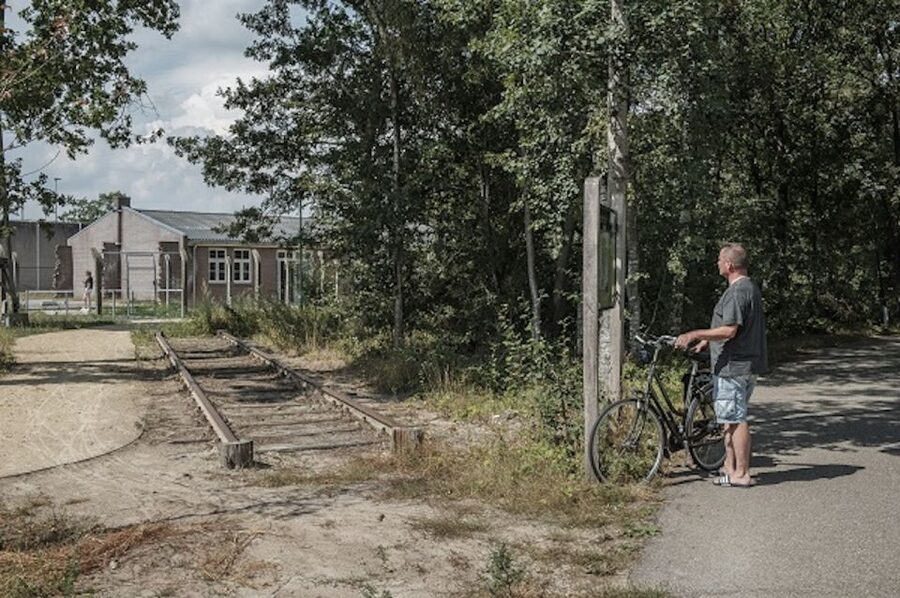
One of the most solemn parts of the visit is the former execution site, which is within walking distance and hidden in the woods. The route is approximately 4 kilometers, so plan this part intentionally.
Along this access route, you’ll follow the line of the camp’s former railway. Two restored freight wagons sit along the way. They are a worldwide symbol of persecution and deportation during the Second World War, and they look different than textbook images because you’re at human scale, not a screen.
When you reach the monument, you’re at the actual site where 329 men were executed. This moment is not about “seeing.” It’s about stopping your body so your mind can do the slow work of understanding.
How to handle the distance without rushing
If you want to take your time, don’t treat the walk like a chore to finish. Think of it as part of the experience. If you need to rest, use your chair options early rather than waiting until you’re exhausted. If weather is bad, umbrellas are available.
Freight wagons, railway lines, and why the site feels brutally logical
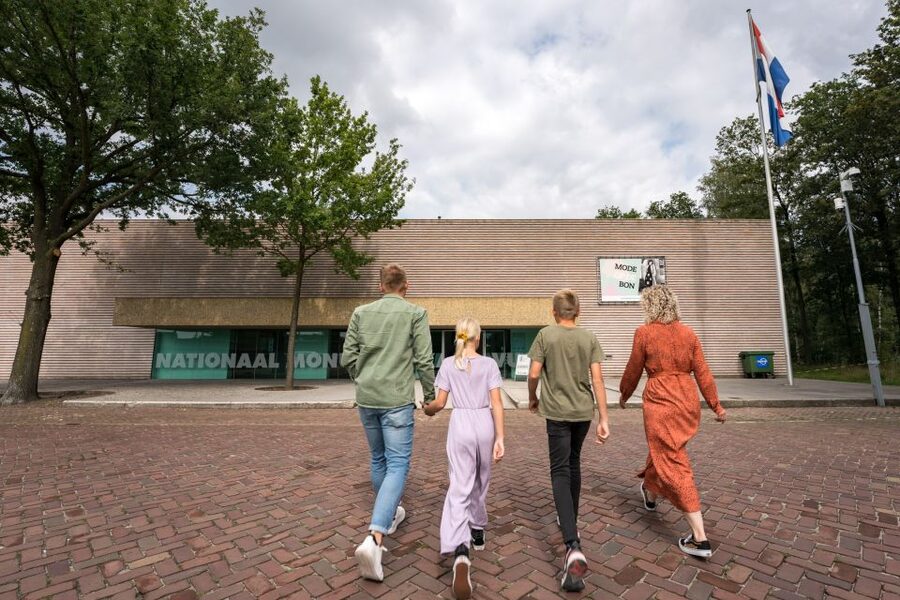
Something that struck me while thinking about the layout: the memorial keeps returning to systems. The railway line. The wagons. The transitions between indoor exhibits and outdoor evidence. The message is clear, the camp ran on logistics as much as cruelty.
That’s why the wagons on the access road are so powerful. You can’t explain them away as “background.” They fit the camp’s purpose. They connect the camp to forced transport, which was a key method of Nazi control.
Practical details that affect your day (and your comfort)
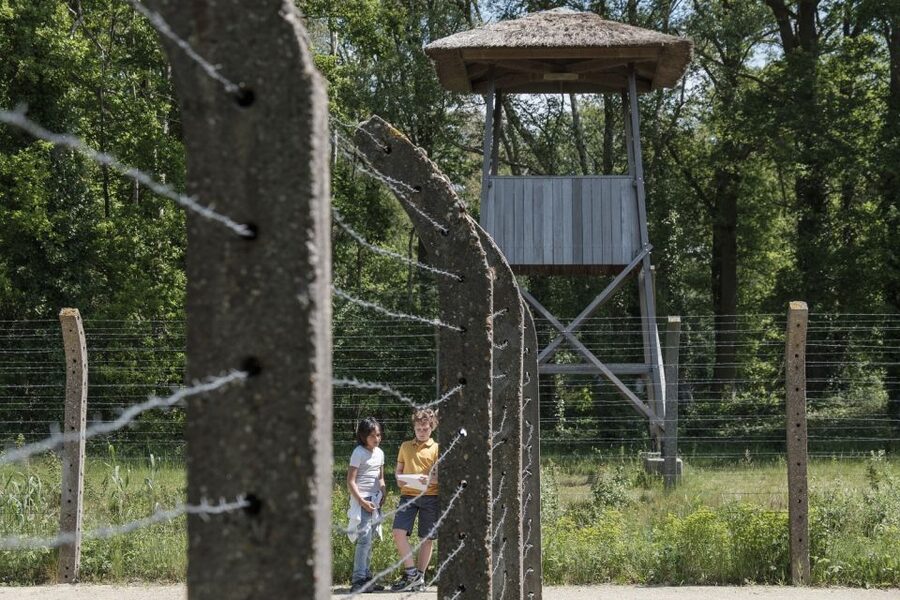
This is an entry-ticket experience, not a guided tour. You’ll rely on the audio guide, which is included and offered in English, Dutch, German, and French. That’s helpful if you want flexibility. You can pause when a story grabs you, and you can skip forward if you need to move on.
A few comfort points help you have a better visit:
- Wear comfortable shoes and plan for walking, especially the execution site route (about 4 kilometers).
- Cloakroom lockers are free to use.
- Umbrellas are available if the weather turns.
- The museum and sites are wheelchair accessible. One wheelchair is available to borrow at the Camp Vught National Memorial and another in Barrack 1B. Staff can help if you ask at the counter.
If you’re visiting with someone who has visual impairments, free entry applies for accompanying persons, the same concept as with wheelchair users.
Who might find this less suitable
This experience is not suitable for children under 10. That doesn’t mean it is “too intense” for older kids, but it does mean the visit is designed around a solemn, read-and-walk format.
Price and value: about $14 for a full, self-paced 1-day memorial
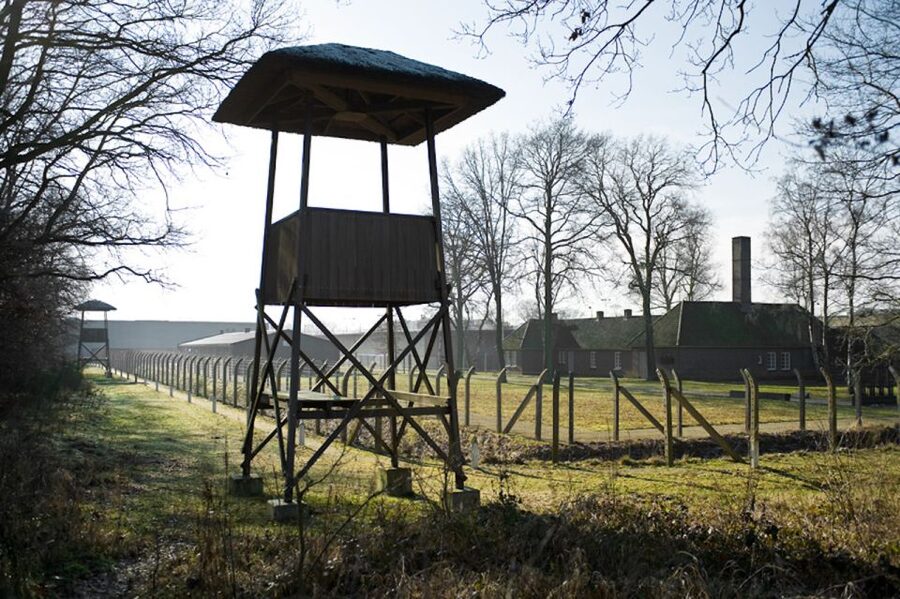
At about $14 per person, you’re paying for access to a national monument site with multiple exhibitions and major outdoor remains. For the amount of material you cover in one day, this is good value, especially because the audio guide is included.
If you compare it to paying for a guided tour, you might feel like you’re giving up something. But here, self-paced works well. The memorial is heavy and you will want control over pacing. At this price point, you can spend more time on what affects you and less time on what doesn’t.
One smarter way to think about it: the ticket buys you not only entry, but time to connect stories with spaces. That’s the real commodity at a place like this.
When to go and how long to plan for
This experience is listed as valid for 1 day, with opening hours that vary by day and season. For example, Baracks 1B has different hours than the standard schedule, including Wednesday hours listed as 12:00 PM to 5:00 PM and Saturday and Sunday hours listed as 1:00 PM to 5:00 PM.
Because of those variable hours, I suggest you plan your day around the exhibits you care about most, then build around them. If you want Barrack 1B and the execution site, treat the day as a full visit even if you finish earlier than you expect.
And if your timing hits May 4, you might be able to visit for free on National Memorial Day. The memorial also notes free entrance on December 8, 2024.
Is it worth booking? My practical take
Yes, you should book if you want a clear, respectful visit that mixes indoor storytelling with outdoor remains you can actually see. I like that the memorial doesn’t stop at the camp. It includes later periods through If Walls Could Speak, so you understand how this site fits into the Netherlands during and after the occupation.
Book it too if you appreciate audio guides and self-paced movement. You can pause where you need to, and you won’t feel pressured to rush to keep up with a group.
Consider skipping or adjusting your plan if you know you cannot handle about 4 kilometers of walking to the execution site, or if the format will be too demanding for young children under 10.
FAQ
How long is the visit?
The ticket is valid for 1 day, and the experience includes both indoor exhibitions and an outdoor walk to the execution site.
What’s included with the entry ticket?
Your ticket includes entry. An audio guide is also included, with languages listed as English, Dutch, German, and French.
Are there audio guides, and what languages are available?
Yes. The audio guide is included and available in English, Dutch, German, and French.
How far do I need to walk to reach the execution site?
The walking route to the execution site is approximately 4 kilometers.
Are cloakroom lockers free to use?
Yes. Cloakroom lockers are free to use.
Is the site wheelchair accessible?
Yes, it is wheelchair accessible. A wheelchair is available to borrow at Camp Vught National Memorial, and another is available in Barrack 1B. People accompanying wheelchair users can receive free entry.
Is Camp Vught suitable for children?
It is not suitable for children under 10.
Newest bookings around Netherlands
- Zierikzee: verhalen tour met gids “De legendes” NL / EN★ 5.0 · 6 reviews
- Zeeland Zeehonden strand safari NL/DE★ 4.5 · 58 reviews
- Zierikzee: Guided Walking Tour★ 4.8 · 6 reviews
- Zaanse Schans Windmills, Fishing Villages & Countryside★ 5.0 · 18 reviews
- Goes: Explore Oosterschelde and Veerse Meer on E-Choppers★ 4.7 · 8 reviews
- Zeeland Wild Oyster Picking Tour with drink and BBQ★ 5.0 · 3 reviews
- Zaanse Schans: Windmill Audio Guide with Dutch Lunch★ 5.0 · 4 reviews
- Zandvoort: Driving Experience at the Formula 1 Race Track★ 4.6 · 5 reviews
Tickets, compared.

Heineken Experience Ticket including 2 Drinks
Read our review →


Moco Museum Amsterdam Entrance Tickets with Banksy & More
Read our review →