
REVIEW · RED LIGHT DISTRICT TOURS
The Red Light District Now & during the Dutch Golden Age
Sex work history, told with care. This 2-hour walk through Amsterdam connects De Wallen to the Dutch Golden Age, so you get context instead of just the headline. I love the respectful, sensitively-handled approach, and I love having Aarre, a guide with a Master’s degree in history, who makes the links between centuries feel logical. The only real drawback is that the subject matter gets candid, including sex work and related issues, so it might feel uncomfortable if you want purely light sightseeing.
I also like the way the route helps you learn the city in a practical order, starting at NH Collection Amsterdam Barbizon Palace and working your way from Centraal Station toward other landmarks. If you like stories with real places attached, you’ll find the stops easy to follow, and the guide adds humor without turning the topic into a joke. You should also expect this to be a walking tour, not a sit-and-watch museum stop.
In This Review
- Key Highlights You Should Care About
- Starting at Centraal Station: Amsterdam’s Port, Swamp Origins, and the Golden Age
- Int Aepjen and the VOC Story: Trade Goods, Hard Voyages, and Real Suffering
- Weeping Tower Viewpoints: Dutch Water Control and the Amsterdam to New York Link
- Spinhuissteeg: Prostitution’s Development, Golden Age Prisons, and Reform Attempts
- Zeedijk Walk: Chinese Community Origins, 1970s to 1980s Crime, and Modern Tolerance Experiments
- Nieuwmarkt and De Waag: Why Rembrandt’s Anatomy Lesson Fits Here
- De Wallen Today: Dutch Attitudes Toward Sex Work, Safety Alternatives, and What Comes Next
- Price, Pace, and Best Fit for Your Trip
- Should You Book the Red Light District Now Tour?
- FAQ
- How long is the Red Light District Now tour?
- How much does the tour cost?
- Where does the tour start and end?
- Is this a private tour?
- Will I receive a ticket on my phone?
- What is included in the tour?
- Are there any admissions required for the stops?
- Can I cancel and get a full refund?
Key Highlights You Should Care About
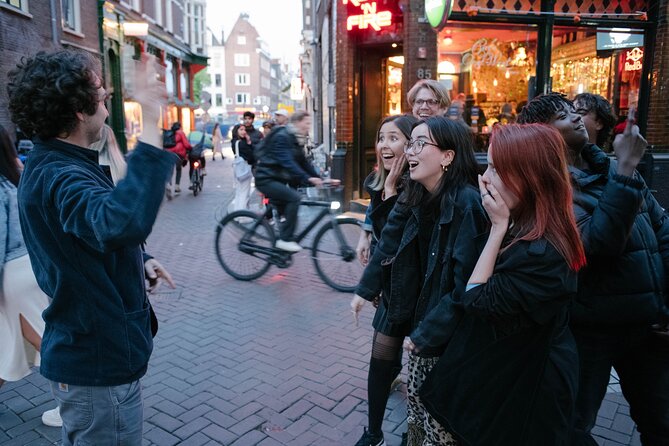
- A history Master’s degree guide: Aarre brings a serious historical lens and a light touch.
- Respectful coverage of De Wallen: the Red Light District is framed carefully, with attention to safety and harm reduction.
- A single route through multiple eras: you connect Amsterdam’s port growth, trade, and reform ideas to today.
- VOC and sailors, with human stakes: stories aren’t only about wealth, they include the harsh conditions behind trade.
- Dutch water control gets explained on a viewpoint stop: you learn why Amsterdam works the way it does.
- Current-day realities plus future questions: the tour looks at problems now and what comes next for this residential neighborhood.
Starting at Centraal Station: Amsterdam’s Port, Swamp Origins, and the Golden Age
The tour begins at NH Collection Amsterdam Barbizon Palace, then you head toward Centraal Station as the first big anchor point. This is where the guide sets the frame: Amsterdam didn’t start as the sleek, storied city you picture today. You hear how the port transformed over time, from early settlers in a provincial swamp to the iconic Golden Age trading empire that stretched across the globe.
What I like here is how it prevents the Red Light District from feeling random. The guide treats Amsterdam like a system, built by trade routes, labor, and policy choices. Once that idea clicks, De Wallen stops being only a spectacle, and starts being part of a much bigger story about how the city handles desire, risk, and money.
A practical note: Centraal is also a good place to get your bearings fast. If you are doing this on an early day, it helps you understand where things fit on the map before you start exploring on your own.
More Red Light District walks:
- Amsterdam: Red Light District Tour in DE/EN/IT/ES/FR
★ 4.9 · 7,136 reviews - Amsterdam: Red Light Secrets Museum Entry Ticket
★ 4.2 · 5,722 reviews - Amsterdam Red Light District & Coffee Shop Tour
★ 4.6 · 4,134 reviews
Int Aepjen and the VOC Story: Trade Goods, Hard Voyages, and Real Suffering
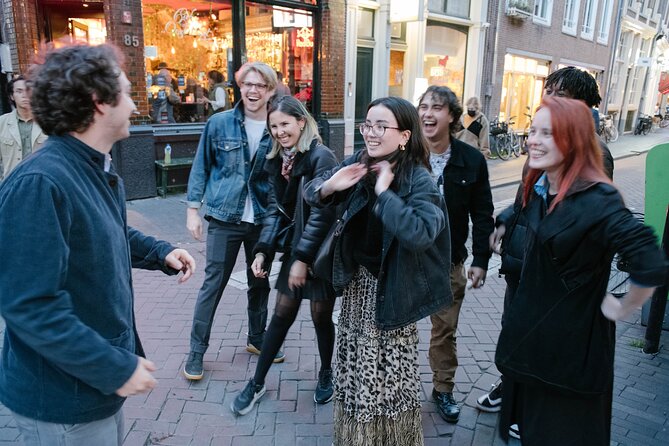
Next you make a stop at Int Aepjen, where the tone shifts from city growth to the people who made Amsterdam’s trading machine run. You learn about sailors who traveled the world and about harrowing conditions aboard a VOC ship. The guide also explains the unique spoils of trade that began arriving in Amsterdam in the 17th century, and how that flow shaped what the city became.
This part matters because Amsterdam’s Golden Age wealth did not come out of nowhere. Even when the discussion becomes complicated, the guide keeps it grounded in how ordinary bodies were used to move goods, and how that set up the city’s later social pressures. You get a sense of cause and effect, not just dates and names.
The only drawback is that this stop is more “story heavy” than “site heavy,” so you’ll get the most if you’re ready to listen. If you’re hoping for a lot of visual sightseeing here, adjust your expectations, because the value is in the narrative.
Weeping Tower Viewpoints: Dutch Water Control and the Amsterdam to New York Link
At the Weeping Tower, you pause to talk about a core Amsterdam skill: manipulating water. The guide uses the lookout to connect the city’s design to the way it survives and expands, which is a great reminder that Amsterdam is not only an economic powerhouse, it is also an engineering project.
You also hear about a unique connection between Amsterdam and New York. The tour does not treat this like a random trivia fact. Instead, it uses the viewpoint moment to show that Amsterdam’s influence traveled, and that ideas moved with people and trade.
If you are going during windy weather, you might feel it up at a lookout. Wear something that handles a breeze, and give yourself a moment to steady before the guide starts explaining. This is short in time, but it is a high-impact stop because it changes how you picture the city.
Spinhuissteeg: Prostitution’s Development, Golden Age Prisons, and Reform Attempts
Then you turn toward Spinhuissteeg, where the tour tackles prostitution’s development in Amsterdam, including the fact that it is one of the oldest professions practiced in the city. This is also where you learn how Dutch prisons during the Golden Age tried to reform prostitutes and sinners, and how those efforts shaped the way society talked about morality and control.
I appreciate that the guide handles this with care. The subject is inherently uncomfortable, and the tour stays respectful instead of sensational. You are not asked to react like this is a show. You are taught how policy, punishment, and public attitudes worked together in the past.
The possible drawback is emotional, not logistical. If you are sensitive to discussions about sex work, prisons, and reform ideas, this is the part where you may feel a pinch. On the flip side, if you want real context for why Amsterdam became what it is, you will probably find this stop one of the most important.
A handful of other Amsterdam outings
- Amsterdam: Van Gogh Museum Ticket
★ 4.7 · 52,054 reviews - Amsterdam: Heineken Experience Ticket including 2 Drinks
★ 4.6 · 36,014 reviews - Amsterdam Classic Saloon Boat Cruise with Drinks and Cheese
★ 5.0 · 31,825 reviews - Amsterdam Luxury Canal Cruise + Unlimited Drinks & Bites option
★ 5.0 · 30,518 reviews
Zeedijk Walk: Chinese Community Origins, 1970s to 1980s Crime, and Modern Tolerance Experiments
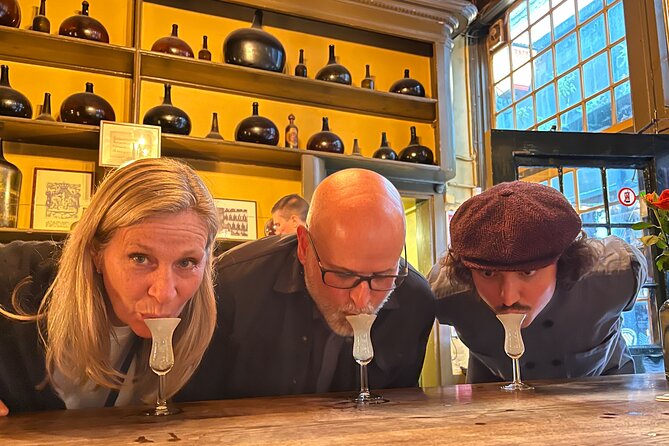
From there, you walk along Zeedijk, a street where the tour broadens out beyond one issue. You learn about origins of the Chinese community and also about a terrible crime wave in the 1970s and 1980s. The guide then brings you to modern experiments with tolerating drugs and prostitution, which is where Amsterdam’s approach starts to feel like a real debate, not a fixed tradition.
This stretch is useful because it shows the Red Light District as part of a neighborhood network. De Wallen does not exist in a vacuum. It sits next to communities, services, and social tensions, all of which are shaped by changing policies and public safety pressures.
One practical thing: this section lasts about 10 minutes, but it can feel busy depending on the time of day. Keep your pace steady, and stay close to the guide. Even if you already know the basics of the Red Light District, this is the part that explains how the surrounding streets got pulled into larger cycles.
Nieuwmarkt and De Waag: Why Rembrandt’s Anatomy Lesson Fits Here

At Nieuwmarkt, you visit De Waag, where Rembrandt created one of his great masterpieces, The Anatomy Lesson of Dr Tulip. This stop feels like a palate cleanser, and that is exactly why it works. You shift from social policy and crime trends to art, science, and civic space.
The practical value is that you see how Amsterdam’s identity is not one topic. The same city that built trade empires also supported landmark art and public thinking. When the tour loops back later to sex work and safety, it helps you understand that Amsterdam has always argued with itself, in different ways, across different streets.
This is a short stop, so don’t expect a long museum-style explanation. Think of it as a sharp marker: a place where history shows up in a way you can point to.
De Wallen Today: Dutch Attitudes Toward Sex Work, Safety Alternatives, and What Comes Next
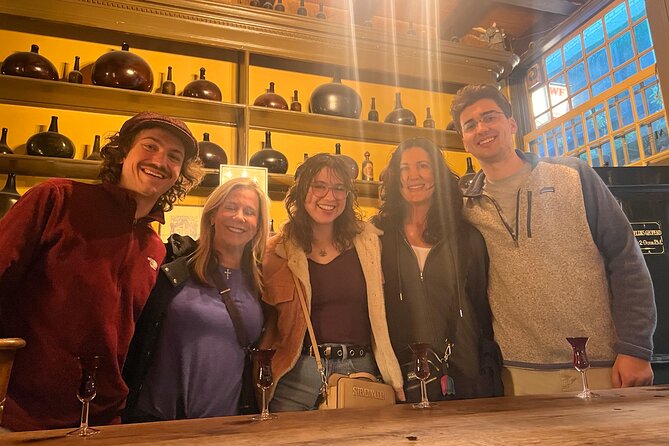
Finally, you reach the Red Light District, De Wallen. This is the centerpiece, but the tour treats it as the last step in a logical chain. You learn about the Dutch attitude to sex work and about attempts to create a safe alternative to the sex trade. You also hear about current problems in the RLD and what the future could look like for this unique residential neighborhood.
This portion is where Aarre’s tone matters. Based on what you are getting from the whole route, you can expect careful language and thoughtful framing. The goal is not shock value. The goal is to help you understand why Amsterdam has taken a particular stance, and why the discussion is still active.
If you want a quick “see it, move on” walk, this may feel a little more reflective than you expected. If you want to understand how a city balances harm reduction, legal structures, and human reality, you will likely feel glad you stayed for the full conversation.
Price, Pace, and Best Fit for Your Trip
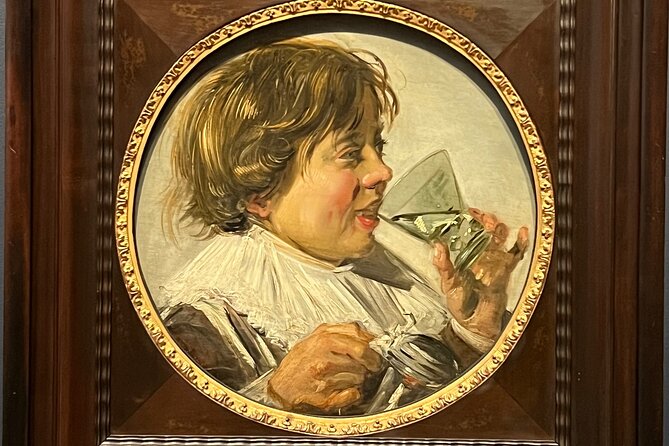
At $70.98 per person for about 2 hours, you are paying for more than walking through one district. You are paying for a professionally led route that connects Centraal Station, VOC trade stories, Dutch water management, and social-policy debates to what you see in De Wallen today. The fact that the guide has a Master’s degree in history is not a marketing flourish here, it is the engine of the tour.
This tour also feels built for people who want smart structure. You are walking from a central starting point, hitting major story anchors, and returning to the start at the end. The mobile ticket makes it easy to show up without adding extra steps on your phone.
Who this is best for:
- History buffs who like seeing how big forces shape everyday life.
- Travelers who want the Red Light District explained respectfully, with context.
- People who enjoy guided humor and human storytelling, not just lecture mode.
Who might pause:
- If you are only in Amsterdam for quick photo stops and you dislike any serious talk about sex work and crime.
- If you want a longer deep history tour, you might wish this were longer than 2 hours, because it packs a lot into a compact walk.
My advice: wear comfortable shoes, bring an open mind, and treat the adult-topic sections like part of a serious city history lesson. That mindset makes the whole experience click.
Should You Book the Red Light District Now Tour?
Yes, if you want the Red Light District placed into the larger Amsterdam story, from port growth and VOC voyages to prisons, reform ideas, and modern policy debates. You’ll get a respectful guide approach, plus Aarre’s history training and sense of humor, which makes uncomfortable material easier to process.
If your ideal Amsterdam day is all about light, casual wandering with no sensitive discussion, this might feel like a mismatch. But if you want a street-level explanation that goes beyond stereotypes, it is one of the better ways to understand De Wallen without treating it like a circus.
FAQ
How long is the Red Light District Now tour?
The tour lasts about 2 hours.
How much does the tour cost?
The price is $70.98 per person.
Where does the tour start and end?
It starts at NH Collection Amsterdam Barbizon Palace, Prins Hendrikkade 59-72, 1012 AD Amsterdam, and it ends back at the meeting point.
Is this a private tour?
Yes. Only your group participates.
Will I receive a ticket on my phone?
Yes. The tour uses a mobile ticket.
What is included in the tour?
A professional local guide with a Master’s degree in history is included.
Are there any admissions required for the stops?
The stops on the route are listed as admission ticket free.
Can I cancel and get a full refund?
Yes. You can cancel for free up to 24 hours before the experience starts for a full refund.
Newest bookings around Amsterdam
- Amsterdam Breakfast Cruise on Private Luxury Boat★ 5.0 · 5 reviews
- Amsterdam-West Food Tour with local guide★ 5.0 · 16 reviews
- Amsterdam: Explore the Van Gogh Museum & His Masterpieces★ 3.5 · 64 reviews
- Van Gogh Museum Tour excluding Entrance Tickets★ 5.0 · 16 reviews
- Van Gogh Museum with Audio Guide★ 3.5 · 80 reviews
- Van Gogh Museum Ticket with Audio Guide and Unlimited Access Time★ 5.0 · 25 reviews
- Van Gogh Museum Entry Ticket and Guided Tour★ 4.5 · 48 reviews
- Amsterdam Van Gogh Museum with Audio or Guided Tour★ 4.0 · 266 reviews
Red Light District Tours, compared.
Amsterdam Red Light District & Coffee Shop Tour
Read our review →
Red Light District Pub Crawl with Unlimited Shots
Read our review →
Private Amsterdam Red Light District and Coffee Shop Tour
Read our review →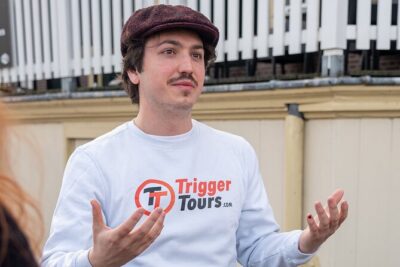
Browse the lists this tour appears in