
REVIEW · MUSEUMS
Gouda: Museum Gouda Entry Ticket
Gouda isn’t just cheese. Museum Gouda turns a self-guided ticket into a clear story of the city through altar paintings that survived iconoclasm and standout art by names like Ferdinand Bol and Isaac Israels. I especially like the way the museum uses objects and paintings to show what life looked like, and the interactive maquette lets you picture the city as it was in 1562. One possible drawback: there is no promise of an audio guide or guided explanations, so you may have to rely on the labels.
You’re paying about $19 for a full day worth of rooms, from a 14th-century guest house setting to temporary exhibits that add something new. Since it covers roughly 600 years of Gouda history, you can go slow, or you can hit the big rooms and still feel like you got your money’s worth.
In This Review
- Key things I’d plan around before you go
- Why Museum Gouda beats a quick stop in town
- What you’ll see inside: 600 years in a 14th-century guest house
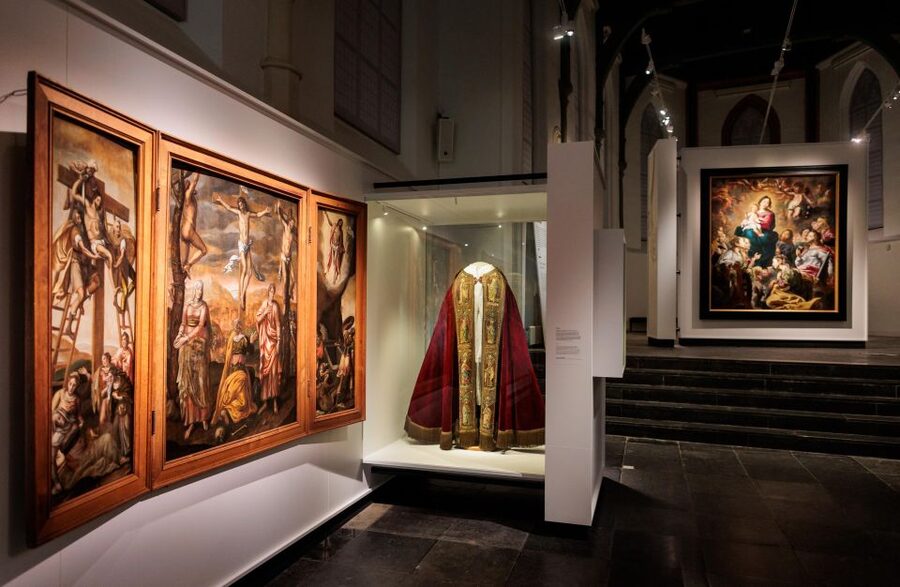
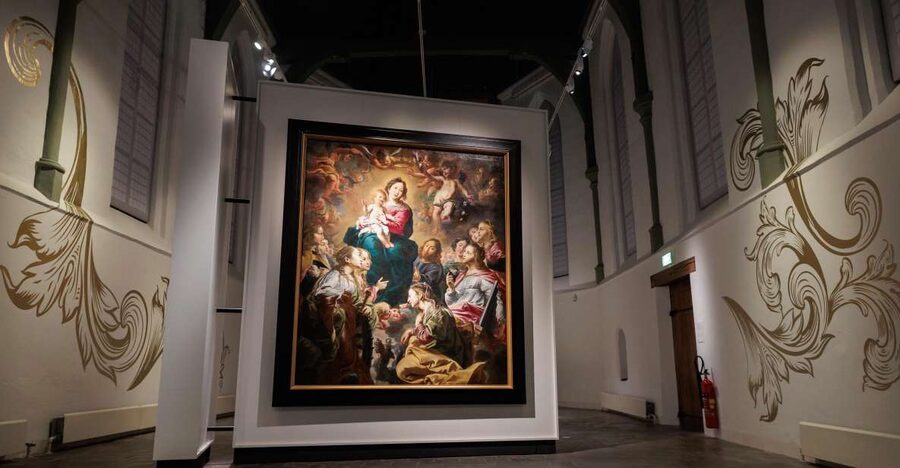
- Altar paintings, including survivors of iconoclasm
- A 16th-century triptych and other early works
- 17th-century civic guard and militia group portraits
- Later European threads and 19th-century Dutch and French works
- 20th-century pottery and craft
- The big must-see: the interactive maquette showing Gouda in 1562
- Art and civic pride: Ferdinand Bol, Isaac Israels, and guard portraits
- Ferdinand Bol and Isaac Israels
- Portraits that show what a group wanted to be seen as
- When you want more explanation than labels provide
- From clay pipes to plateel: the Gouda stuff that made a name
- Temporary exhibitions and planning your 1-day visit
- Price and value: what $19 buys you in Museum Gouda time
- Who should book this ticket, and who might want something else
- Should you book Museum Gouda entry tickets?
- FAQ
- Where is Museum Gouda located?
- How much does the Gouda museum entry ticket cost?
- How long is the visit?
- Is there a guide included?
- What is included in the ticket?
- What is not included?
- What are the ticket rules and languages?
Key things I’d plan around before you go
- Altar paintings that survived iconoclasm: proof of what made it through the 1500s religious upheaval.
- The huge interactive maquette (Gouda in 1562): a fast visual way to understand the city’s shape and scale.
- Civic guard and militia group portraits: art that shows civic pride and local power, not just religion.
- Ferdinand Bol and Isaac Israels: big-name painters you can actually place in context.
- Gouds plateel and Gouda clay pipes: decorative pottery and everyday craft side by side.
- Temporary exhibitions: a reason to check what’s on during your dates.
Why Museum Gouda beats a quick stop in town
If you like museums that connect art to real places, Museum Gouda is a smart choice. It is not only about pretty objects. The collection is built to explain what Gouda was, from the 1500s onward, using paintings, civic portraits, and famous local products like plateel pottery.
I also like the “how did they live?” angle. You get 16th-century religious art, then civic guard imagery, then later European painting threads, and finally Gouda’s own decorative crafts. That mix helps you see Gouda as a working city, not a postcard.
And since it’s a 1-day entry ticket, you can match your pace. If you are the kind of person who reads labels for fun, you can take your time. If you prefer highlights, you can still cover the major rooms without feeling rushed.
A handful of other Gouda outings
- Amsterdam: Van Gogh Museum Ticket
★ 4.7 · 52,054 reviews - Moco Museum Amsterdam Entrance Tickets with Banksy & More
★ 4.4 · 10,088 reviews - Amsterdam: Red Light Secrets Museum Entry Ticket
★ 4.2 · 5,722 reviews
What you’ll see inside: 600 years in a 14th-century guest house
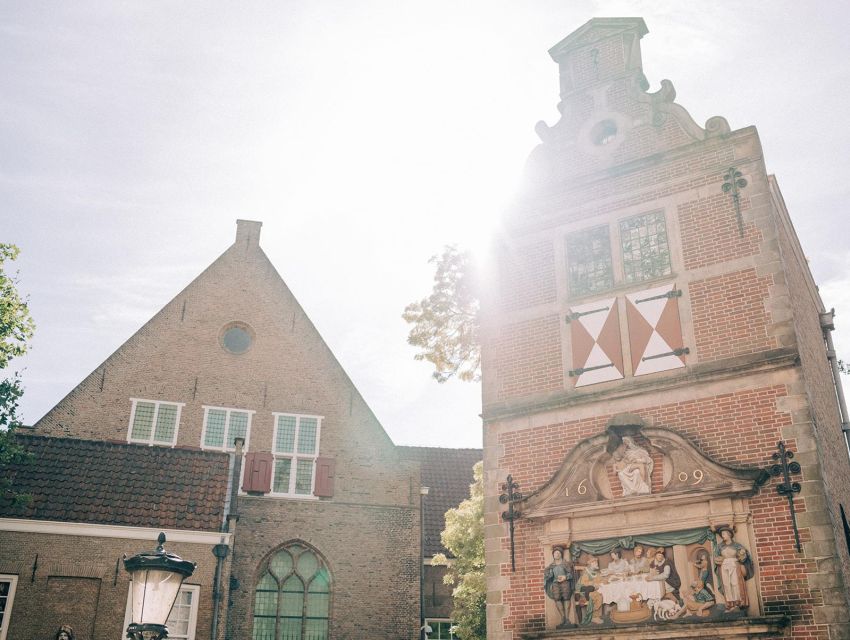
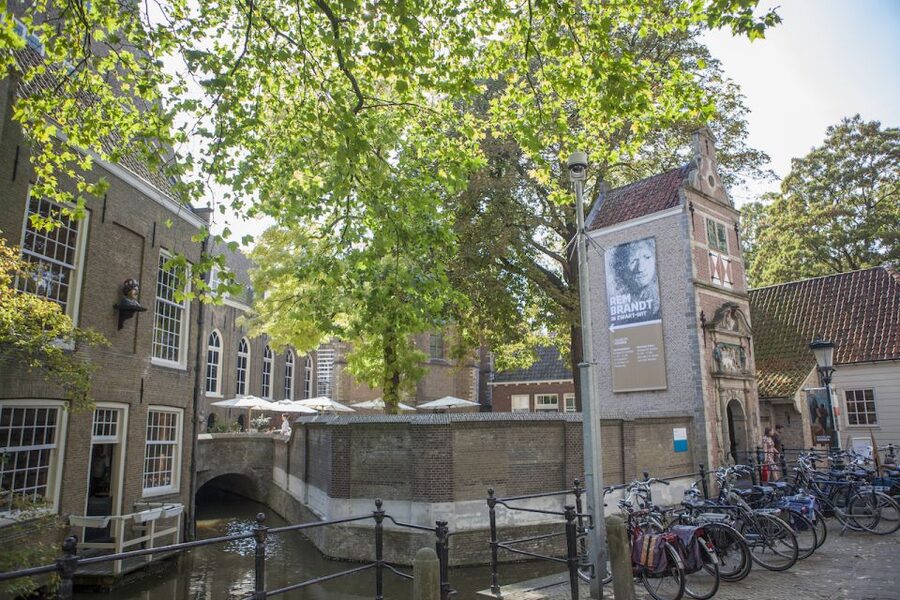
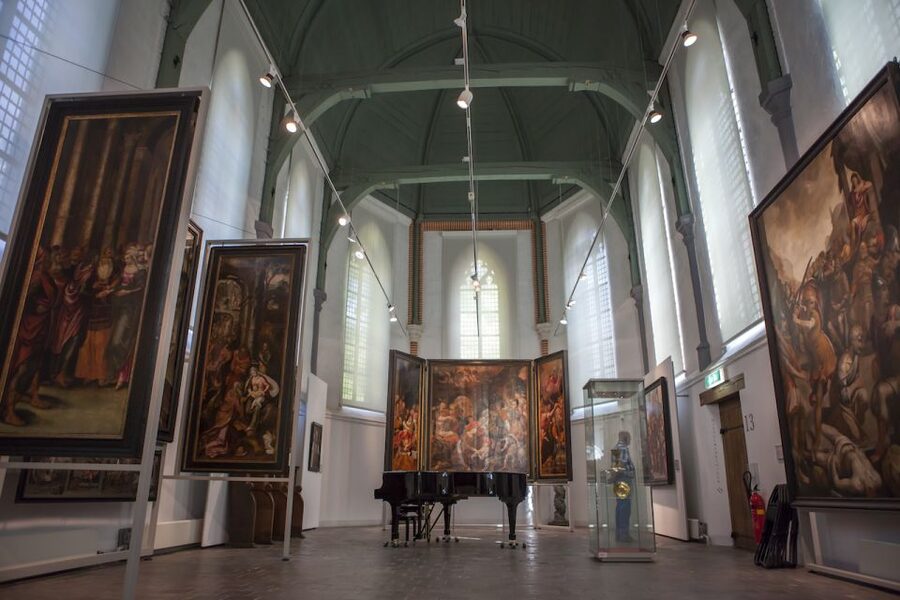
Museum Gouda sits in a 14th-century guest house, so the building itself gives you a sense of time depth before you even reach the galleries. The permanent collection is described as covering about 600 years of Gouda history, with works ranging from the 16th to the 20th centuries, plus temporary exhibitions.
Here’s the theme that ties the rooms together: the museum uses very different kinds of objects to tell a single city story.
Altar paintings, including survivors of iconoclasm
A major focus is altar paintings, including the relatively few pieces by master painters that survived the iconoclasm that swept through the Netherlands in the 16th century. That means you’re not only looking at art for style. You’re looking at evidence of what endured.
Practical tip: go to these works early if you can. Those rooms set the “why this city mattered” tone for the rest of the visit. Once you’ve seen that survival angle, the later civic portraits and local craft items make more sense.
A 16th-century triptych and other early works
The museum also includes a 16th-century triptych, which is a good example of why religious art works well in a city-museum setting. Triptychs were meant to be experienced in a specific devotional context, and seeing one here helps you understand the original purpose even if you’re not a theology expert.
A different way to spend an afternoon around Gouda:
- Gouda: Gouda Cheese Experience Entry Ticket
★ 4.6 · 578 reviews - Gouda: Syrup Waffle Factory Ticket with a Waffle
★ 4.5 · 202 reviews
17th-century civic guard and militia group portraits
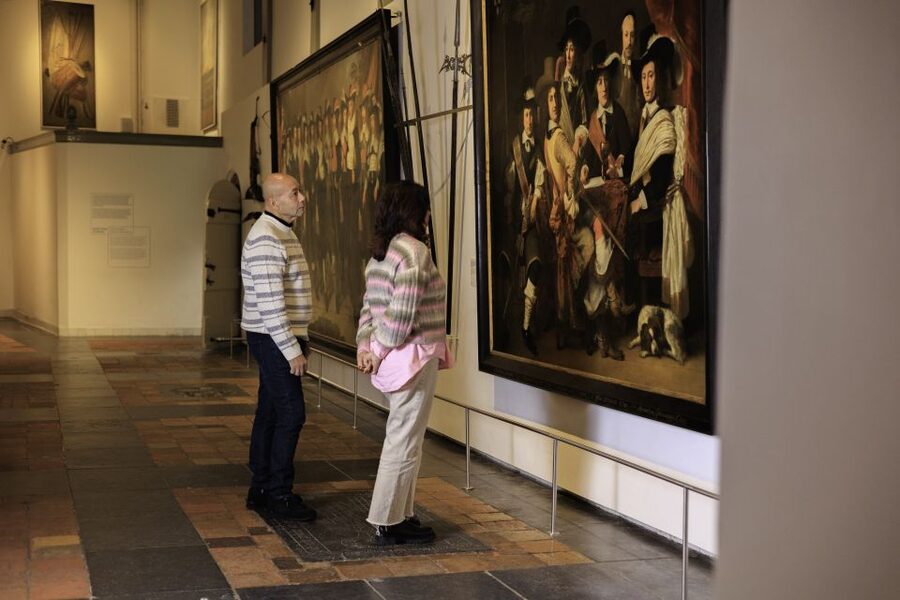
Then the museum shifts from religion toward civic identity. You’ll see 17th-century civic guard pieces and militia group portraits. This is one of the best parts of the experience for me, because it turns the spotlight from institutions of faith to institutions of defense and local governance.
Even if you don’t know every painter’s full biography, the portraits still communicate power, group identity, and status. They also show how formal portraiture became a civic tool.
Later European threads and 19th-century Dutch and French works
The collection also includes 19th-century works from France and the Netherlands. That matters because it stops Gouda from feeling stuck in its own past. You can see connections to wider European art trends while still staying anchored in a Gouda setting.
20th-century pottery and craft
On the later side, the museum includes Gouda’s famous 20th-century pottery, plus decorative items that connect art to local industry. This is where the museum feels most practical. You’re looking at how creativity and commerce overlap in a real place.
The big must-see: the interactive maquette showing Gouda in 1562
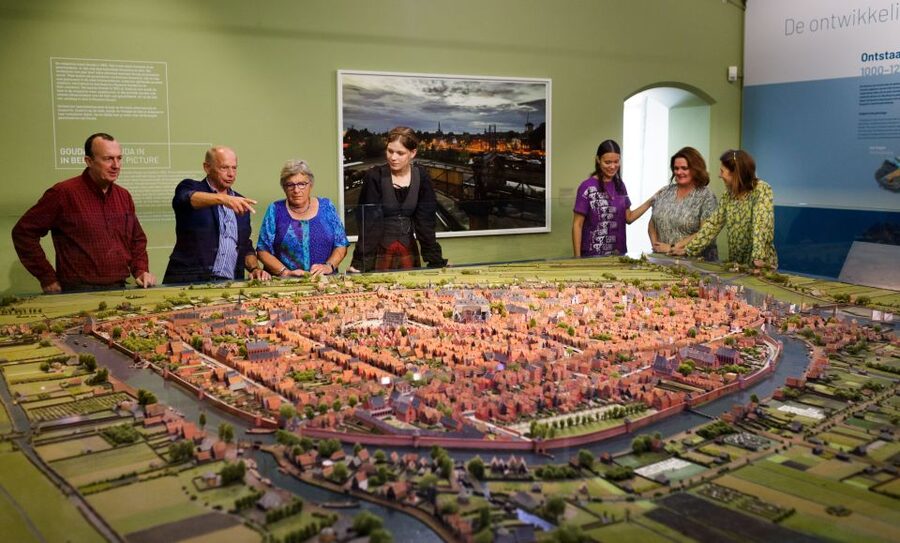
One of the most memorable features is the massive interactive maquette that shows what Gouda looked like in 1562. If you’ve ever stood in a city and wondered how a specific era shaped streets and neighborhoods, this kind of model is a lifesaver.
Why it’s valuable: paintings and portraits can be hard to translate into real geography. The maquette does that translation for you. It helps you connect the museum’s artworks to the physical city they came from.
How to use it:
- Spend a few minutes just looking at the overall layout before touching anything interactive.
- Then try to match buildings you saw in the artworks, especially civic and religious imagery.
- After you finish, return to the rest of the museum with a “where would that have been?” mindset.
If you do only one thing beyond reading labels, make it this. The maquette is the one element that turns history into something you can picture quickly.
Art and civic pride: Ferdinand Bol, Isaac Israels, and guard portraits
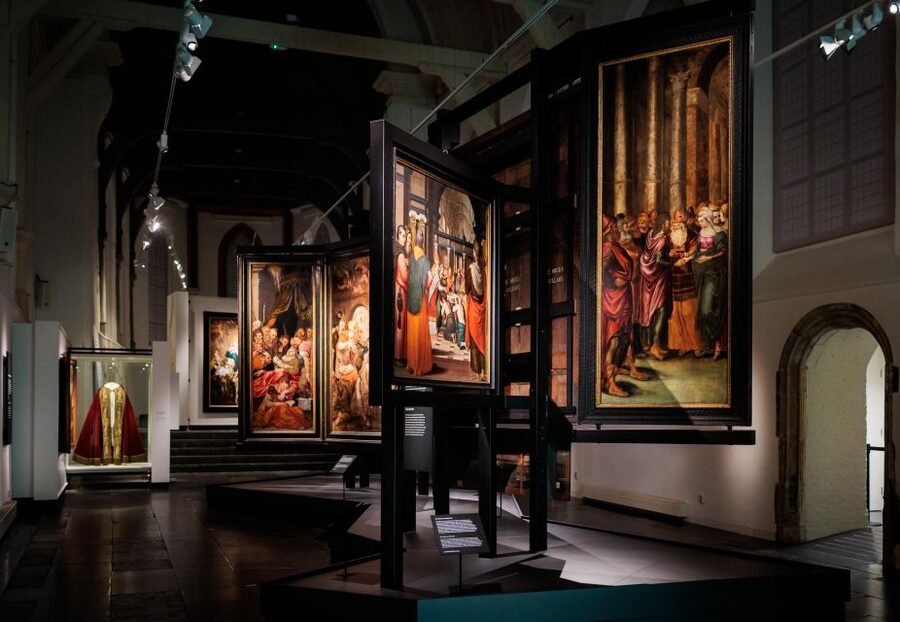
Museum Gouda isn’t only a history museum. It’s an art museum, too, with enough recognizable talent to make your visit feel substantial.
Ferdinand Bol and Isaac Israels
The collection includes works by Ferdinand Bol and Isaac Israels. Bol is especially useful in a city-museum context because he represents the kind of Dutch painting that often connected art, patronage, and civic life. Isaac Israels brings another angle, and seeing both helps you understand Gouda as part of a broader Dutch artistic world.
Practical tip: don’t treat these names as trivia. Use them to compare how the museum frames different eras. Early works focus on religious survival. Later works shift toward civic themes and then craft.
Portraits that show what a group wanted to be seen as
The 17th-century civic guard and militia group portraits are the kind of art that rewards slow looking. You can notice how the group is arranged, how formality gets staged, and what symbols or staging suggest social role.
I like these because they make “history” feel human. It’s not an abstract timeline. It’s people forming an identity as a community.
When you want more explanation than labels provide
Here’s the only real friction point I’d plan for. One review noted that there was no guide and no audio guide, and that explanations were limited without audio. If you need guided context to connect details, you might want to compensate by reading labels carefully and maybe doing a short street walk afterward to connect the museum to what’s still visible today.
From clay pipes to plateel: the Gouda stuff that made a name
If you think of Gouda mainly as a cheese town, this is where the museum widens your mental picture. The collection includes the Gouda clay pipe and Gouds plateel, the decorative pottery that made Gouda famous.
This is a big deal for two reasons.
First, it shows that “art” in Gouda wasn’t only paintings in churches. Decorative pottery and everyday items were part of the local identity and economy.
Second, it gives you something concrete to look for in later rooms. When you reach the pottery and craft sections, you’re no longer wondering why the museum started where it did. You’ve already learned that Gouda made and traded things, and that local makers left their mark.
How to enjoy these craft rooms:
- Look for variations across time, especially as the museum moves into 20th-century pottery.
- Pay attention to how decorative style changes when the museum shifts from older artifacts to later ceramic work.
- Don’t skip the small objects. Clay pipes and utilitarian pieces can give you the most honest “daily life” clues.
Temporary exhibitions and planning your 1-day visit
Your ticket is valid for 1 day, and the museum notes starting times based on availability. That’s useful because it helps you aim for a time when you can settle in, not rush.
A practical way to plan your visit is to do it in layers:
- Layer one: the earliest core rooms tied to altar paintings and surviving iconoclasm pieces.
- Layer two: the maquette, since it gives you the city mental map.
- Layer three: civic guard portraits and named artists like Ferdinand Bol and Isaac Israels.
- Layer four: craft and industry objects like Gouda clay pipes and Gouds plateel.
- Layer five: temporary exhibits, which are your wildcard for the day.
Temporary exhibitions matter because they can shift your understanding of the permanent collection. Even if the main rooms are the reason you bought the ticket, the temporary displays can add a fresh theme, new research, or a different way to look at familiar objects.
If you want the most from it and there’s no audio guide, you should treat label reading like part of the itinerary, not like homework. You’re not just scanning for names. You’re trying to connect why an object exists and what it meant in Gouda.
Price and value: what $19 buys you in Museum Gouda time
At about $19 per person for 1 day, the value comes from the mix of what you get, not just the number of rooms.
You’re paying for:
- A long chronological sweep, 16th through 20th centuries
- Multiple categories of objects, paintings, civic portraits, decorative ceramics, and everyday craft items
- A standout interactive centerpiece with the 1562 maquette
- Temporary exhibitions that can add variety to the visit
If your main goal is a quick glance, this might feel like too much time for one ticket. But if you enjoy museums where you can build context as you go, it’s a fair price for a complete city snapshot.
Also, because it’s self-paced, you can avoid the stress of matching a group schedule. That freedom matters when you’re choosing how long to spend with the maquette or in the craft rooms.
Who should book this ticket, and who might want something else
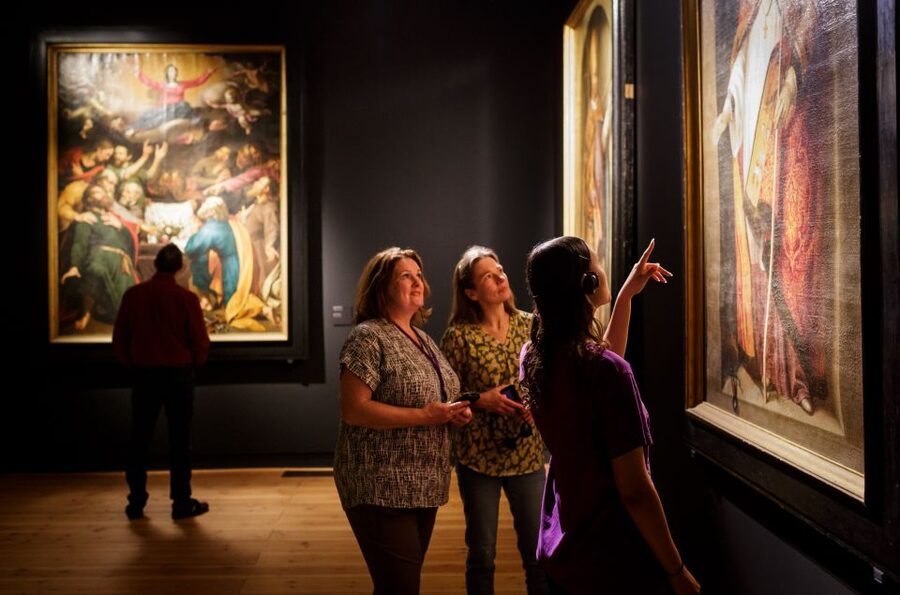
This entry ticket is a strong fit if you like:
- Art that connects to a specific city
- A museum that mixes fine art with local industry
- A clear highlight, like the interactive 1562 maquette
It’s also a good pick for couples and solo travelers because the experience works as a wander. You can move from religious art to civic portraits to pottery without needing a strict route.
It might be less ideal if you rely on narration. Since one review specifically mentioned the lack of a guide and audio guide as a drawback, plan for that. If you want lots of spoken context, you may feel like you’re doing more reading than expected.
For families: the maquette is likely the easiest “wow” moment. For teens: pairing civic portraits with a model of the city can make the history feel more concrete.
Should you book Museum Gouda entry tickets?
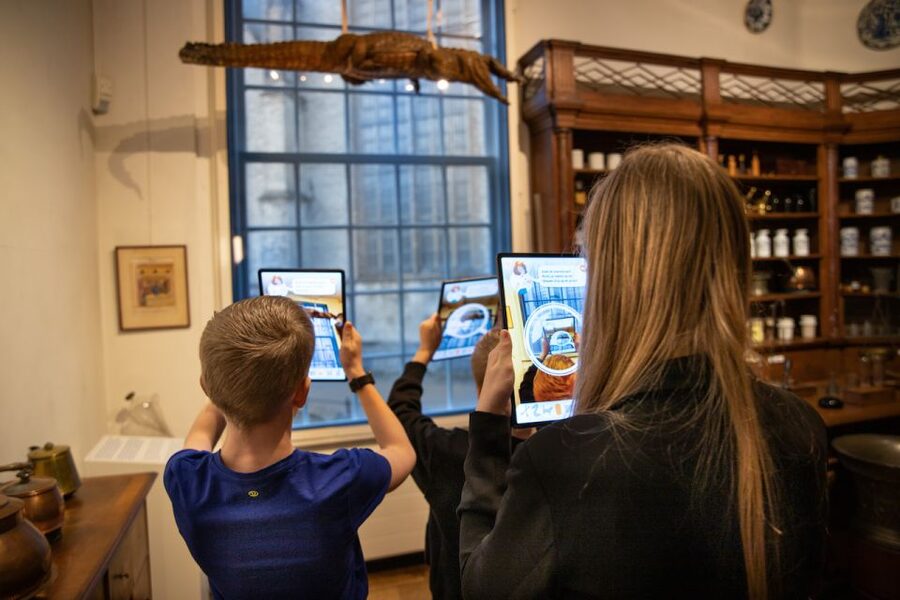
I’d book if you want a grounded look at Gouda beyond cheese, with enough art and objects to justify a full day. The 14th-century setting, the altar paintings tied to iconoclasm survival, and the interactive 1562 maquette make this feel like more than a standard ticket booth stop.
If you dislike label reading and you want a guided explanation to do the heavy lifting, keep expectations realistic. You can still get a good visit, but you’ll need to lean on the museum’s written info.
FAQ
Where is Museum Gouda located?
Museum Gouda is in South Holland, Netherlands.
How much does the Gouda museum entry ticket cost?
The price is listed as $19 per person.
How long is the visit?
You can plan for 1 day.
Is there a guide included?
An entry ticket is included, and there is an English and Dutch host or greeter. One review mentioned there was no guide and no audio guide.
What is included in the ticket?
The ticket includes entry to Museum Gouda.
What is not included?
Food and drinks are not included, and parking is not included.
What are the ticket rules and languages?
The ticket is valid for 1 day, and you can check availability for starting times. The host or greeter is available in English and Dutch. Free cancellation is offered up to 24 hours in advance for a full refund, and you can reserve now and pay later.
Newest bookings around Gouda
- Gouda: Entry Ticket to Church of St. John with Audioguide★ 4.5 · 48 reviews
- Gouda: Open Boat City Canal Cruise★ 4.4 · 156 reviews
- Gouda: Historical Canal Cruise★ 4.3 · 158 reviews
- Gouda: Syrup Waffle Factory Ticket with a Waffle★ 4.5 · 202 reviews
- Gouda: Gouda Cheese Experience Entry Ticket★ 4.6 · 578 reviews
Museums, compared.

Moco Museum Amsterdam Entrance Tickets with Banksy & More
Read our review →

Amsterdam’s Weirdest Museum: Ripley’s Believe It or Not!
Read our review →


Browse the lists this tour appears in