
REVIEW · MUSEUMS
Eindhoven: Philips Museum Entry Ticket
Philips meets AI in a lightbulb factory. In Eindhoven, the Philips Museum ticket takes you through an 1891 factory building and a step-by-step timeline of inventions, from early electric light to today’s healthcare tech. I love the way it spotlights AI in the brAInpower exhibition and also brings you close to Gerard Philips’ ideas and actions, but there is no guided tour, so you will lean on the audio tour for the deeper context.
The museum mixes tech with real Eindhoven identity. You get scheduled mini lectures, a performance called The Lamp, and temporary shows like Eyecatchers and PSV, Eendracht maakt macht. Add storage lockers, an audio tour in multiple languages, and a torchlight treasure hunt, and it feels like more than just a walk-through display.
One thing to consider is that this is a technology museum with a lot to read and follow in order. If you prefer art-only vibes or short attention spans, you may want to pick your routes carefully and plan for breaks.
In This Review
- Key things I’d plan for at Philips Museum Eindhoven
- Ticket Value for $14, and what makes it worth your time
- Inside the 1891 lightbulb factory in Eindhoven
- Gerard Philips and the product timeline, step by step
- Electric light to radio, TV, and the digital age
- brAInpower AI exhibition: what to focus on
- Mini Lectures, The Lamp, and temporary exhibits that add texture
- Pacing your visit: audio tour, lockers, and the torchlight treasure hunt
- Who should book the Philips Museum ticket?
- Should you book Philips Museum entry ticket?
- FAQ
- How much is the Philips Museum entry ticket?
- How long is the ticket valid?
- What is included with the ticket?
- Is a guided tour included?
- What languages is the audio tour available in?
- Can I pay with cash?
- Is the museum wheelchair accessible?
Key things I’d plan for at Philips Museum Eindhoven
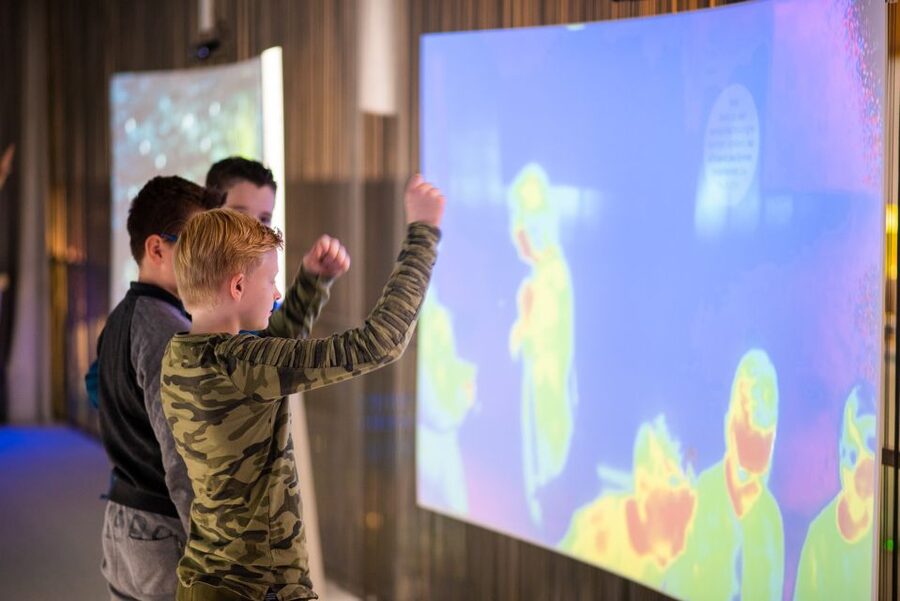
- brAInpower AI focus: A dedicated section on AI and Philips’ role in shaping what comes next
- Gerard Philips angle: You are guided toward the founder’s thinking and decisions, not just gadgets
- 1891 lightbulb factory setting: The building itself helps you time-travel to early production
- Scheduled moments: Mini lectures and The Lamp are included, but they run at set times
- Temporary exhibits plus football: Eyecatchers and PSV, Eendracht maakt macht add variety beyond technology
Ticket Value for $14, and what makes it worth your time
At about $14 per person, the Philips Museum ticket is good value because it includes more than a basic entrance. You also get scheduled activities such as Mini Lectures and The Lamp, plus temporary exhibitions Eyecatchers and PSV, Eendracht maakt macht. That matters, because museums often nickel-and-dime you with separate add-ons. Here, the extra programming is folded in.
You also get an audio tour in Dutch, English, German, French, Turkish, Spanish, and Italian. That is a practical advantage if you do not want to hunt for an explanation at every wall. Since a guided tour is not included, the audio tour becomes your best friend for making sense of the timeline as you move through it.
One more value point is flexibility. The ticket is valid for 1 day, and you should check available starting times. In other words, you can choose the entry time that fits your day in Eindhoven, instead of being locked into one fixed slot.
Finally, remember this museum is cashless. Cash is not accepted, so have a card ready. If you have a museum card or a student card, you can also present it for a discount.
A handful of other Eindhoven outings
- Eindhoven: PSV Museum Entry With Optional Stadium Tour
★ 4.4 · 211 reviews - Eindhoven: Next Nature Museum Entry Ticket
★ 3.9 · 83 reviews - Amsterdam: Van Gogh Museum Ticket
★ 4.7 · 52,054 reviews
Inside the 1891 lightbulb factory in Eindhoven
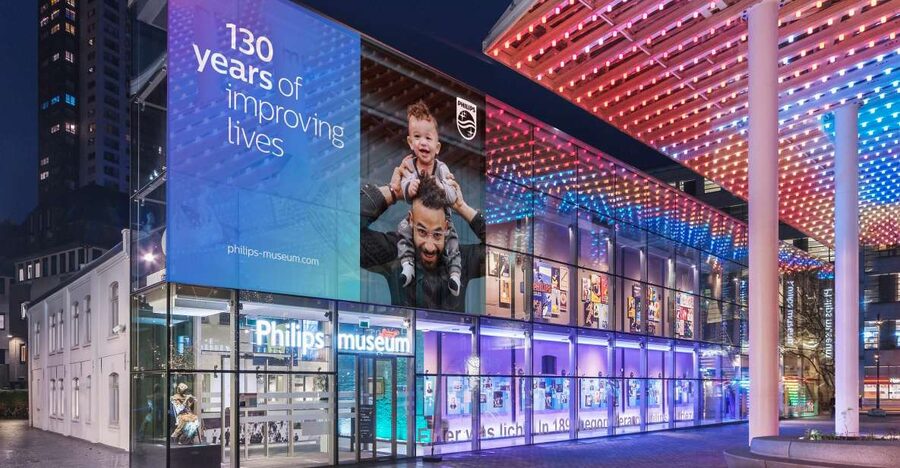
What makes this museum feel different is the setting. The Philips Museum is housed in a lightbulb factory built in 1891. You are not just looking at old products behind glass, you are in the kind of industrial space that helped make those products real.
That setting helps your brain do something important: it connects the timeline to the physical world. When the museum walks you back to 1891 and shows how early light bulbs were made, it feels more grounded than a generic historical exhibit. Even if you know the basics of how electricity changed daily life, the factory context gives you a clearer sense of why these inventions mattered.
The museum also keeps you moving in a clear direction. You walk past a company timeline step by step, which is ideal when you want structure but still like to go at your own pace. I like that the museum does not force you to follow one strict route with a guide standing over your shoulder.
Gerard Philips and the product timeline, step by step
A big reason to go is the founder focus, centered on Gerard Philips. The museum does not treat Philips as a name on a plaque. Instead, it guides you toward his thoughts and actions while you follow the evolution of Philips products.
You start with the early era and work forward. The key is how the displays tie invention to impact. The museum shows how new inventions changed society in the previous century and how the story continues into the present. That approach helps you connect technology to everyday life, instead of treating the innovations like isolated inventions.
As you move along the timeline, look for the moments where the museum connects the dots. For example, it is not just about electricity as an achievement. It is about what electric light enabled. The same idea carries through later sections, from radio and television to the digital age.
Also, do not rush past the parts that explain why something caught on. Those are the segments that make the timeline click. If you skim too fast, you end up memorizing product names instead of understanding the story.
Electric light to radio, TV, and the digital age
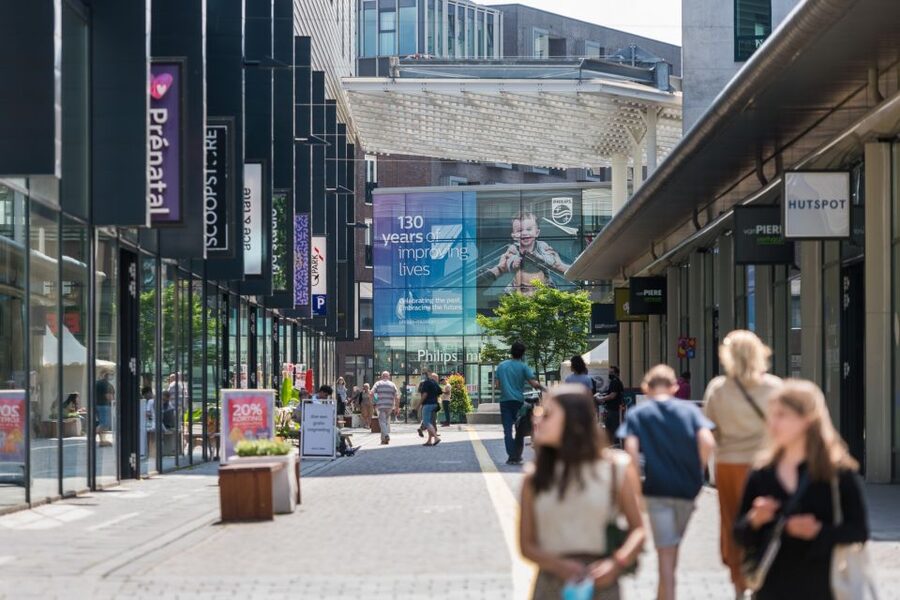
One of the museum’s best strengths is its ability to trace technology across decades without losing your interest. You see how Philips continuously reinvented itself as communication and media shifted. That includes the rise of radio and television, and then the transition into the digital age.
Why that matters for you: the museum is not only celebrating inventions. It helps you understand the pattern behind the inventions. Philips is presented as a company that kept changing its focus as society changed around it. That is the kind of lesson that sticks if you like business history, innovation strategy, or just understanding why certain brands survive.
You will also notice how the story follows a broad theme: technology influencing social change. Electric light becomes more than a gadget. It becomes a shift in how people work, live, and gather. Later technologies are treated the same way.
The museum then brings it back to the present by highlighting Philips’ role in the healthcare sector. So you end with the idea that today’s innovation is still aimed at improving people’s lives, not just making devices for their own sake.
A different way to spend an afternoon around Eindhoven:
- Eindhoven: Bottle Distillery Tour and Tasting Experience
★ 4.9 · 74 reviews - Eindhoven: Full Day E-Fatbike Rental including route
★ 4.9 · 46 reviews - Eindhoven: City Center Walking Tour
★ 4.7 · 43 reviews - Eindhoven Zoo Entry Ticket
★ 4.6 · 33 reviews
brAInpower AI exhibition: what to focus on
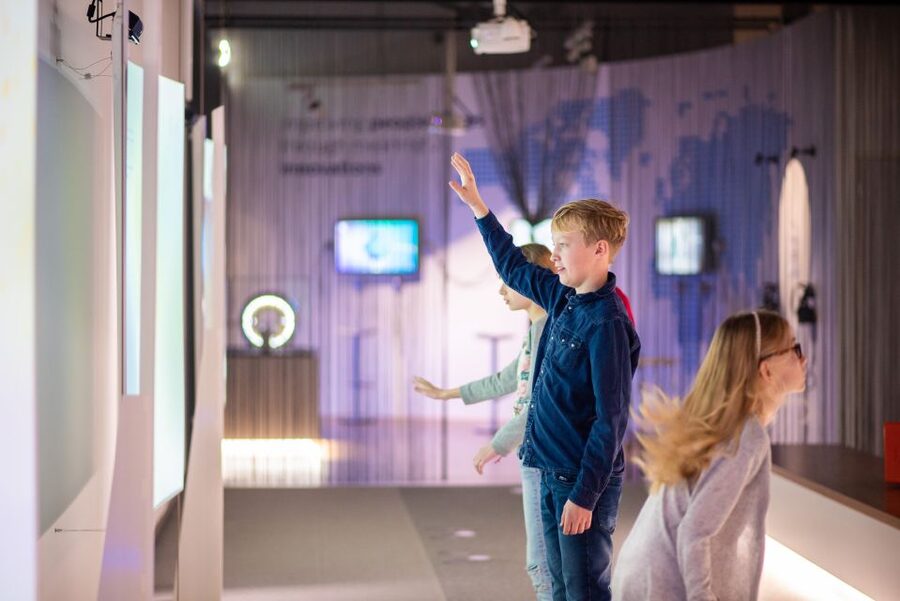
The brAInpower exhibition is the museum’s headline moment for the future, centered on AI and Philips’ role in it. This is where the museum moves from the long product timeline into a more forward-looking question: what does AI change, and where does Philips fit?
Even if you are not a tech expert, you can still enjoy this section because it is framed around concepts and direction, not math. You are essentially being asked to think about AI as a force that affects healthcare and everyday decisions, and not just as a buzzword.
Here is how I’d approach it if you want the most payoff. Spend extra time reading the explanations and watching how the museum connects AI to health and society. Then, use the earlier timeline as your reference point. When you understand the history of Philips reinventing itself, the AI section feels less random and more like the newest chapter of the same story.
If you are a hands-on type, you may also like that the AI area has an interactive feel. It is a good place to slow down and actually interact with the exhibits rather than just walk.
Mini Lectures, The Lamp, and temporary exhibits that add texture
Your ticket includes scheduled mini lectures and a performance called The Lamp. Since those are time-based, it helps to arrive with enough flexibility to catch at least one of these moments. Even if you do not attend them, the schedule is a reminder that the museum is not only static displays. It also uses small programs to bring topics to life.
The Lamp is especially fun to think about in context. The whole museum is about light, invention, and manufacturing history. A staged performance tied to the lighting theme keeps the experience playful, even when the subject matter gets serious.
Then there are the temporary exhibitions. Eyecatchers adds variety, which is helpful if you start to feel like everything is part of the same timeline. And PSV, Eendracht maakt macht brings in a very Eindhoven-specific flavor. Football and industry may sound like a strange pairing at first, but in a city shaped by Philips, it makes sense. It helps the museum feel locally rooted, not just internationally branded.
Pacing your visit: audio tour, lockers, and the torchlight treasure hunt
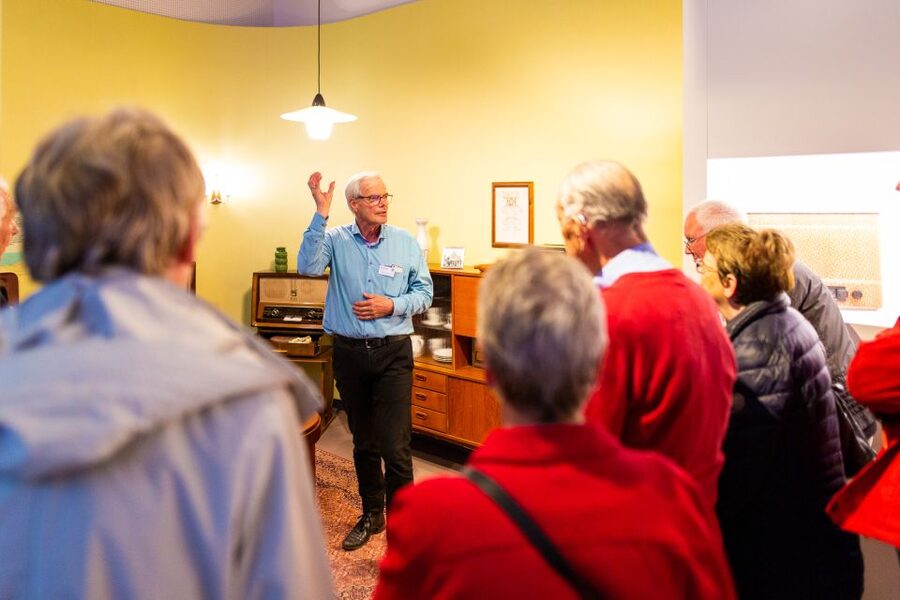
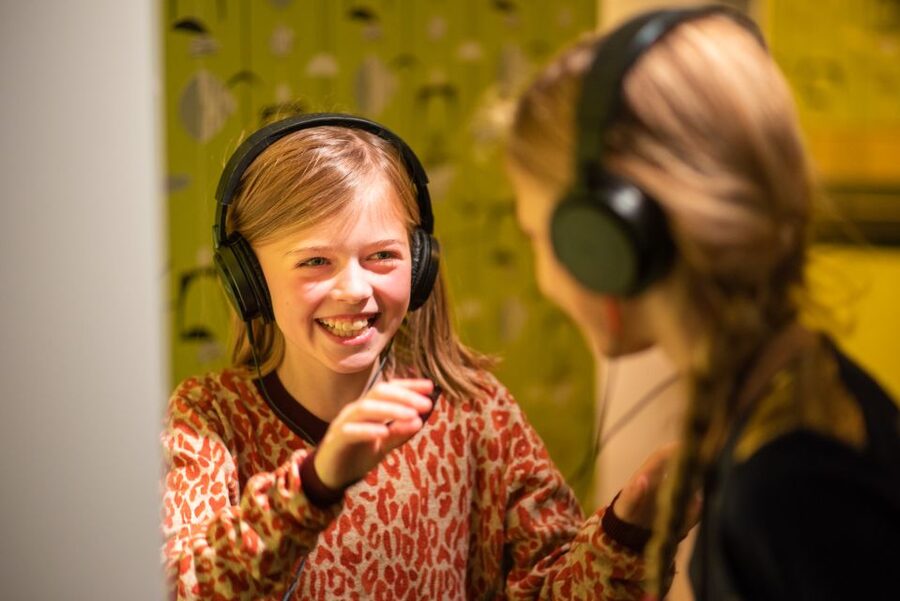
This is a self-paced museum experience, which means you can shape it around your interests. The audio tour is available in multiple languages, so you can get explanations without stopping to read every label. If you are visiting in English, you can keep the flow going and use the audio tour as your layer of context.
Storage lockers are included, which is practical if you arrive with a bag, small backpack, or anything you do not want dragging around. It also helps if you plan to move between exhibits without constantly adjusting your grip on your belongings.
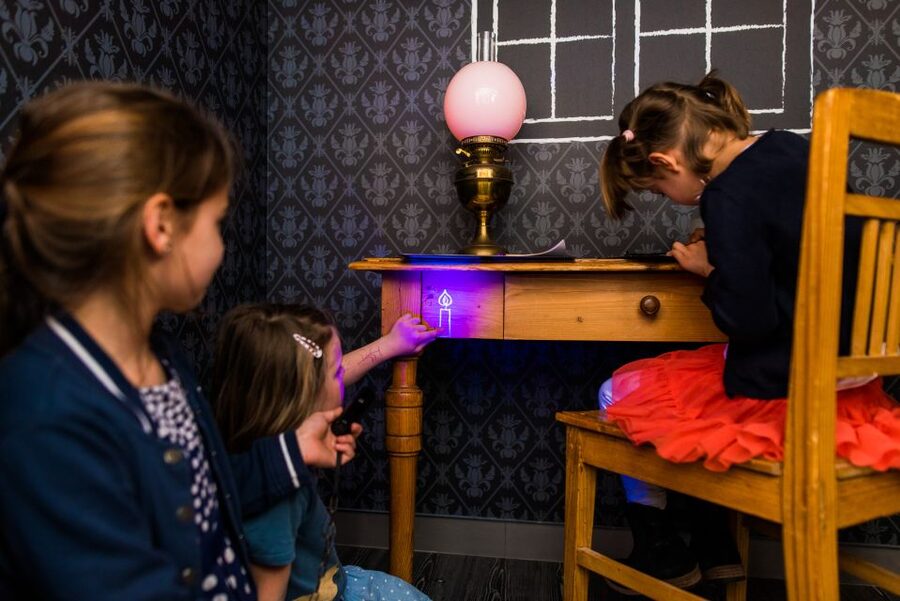
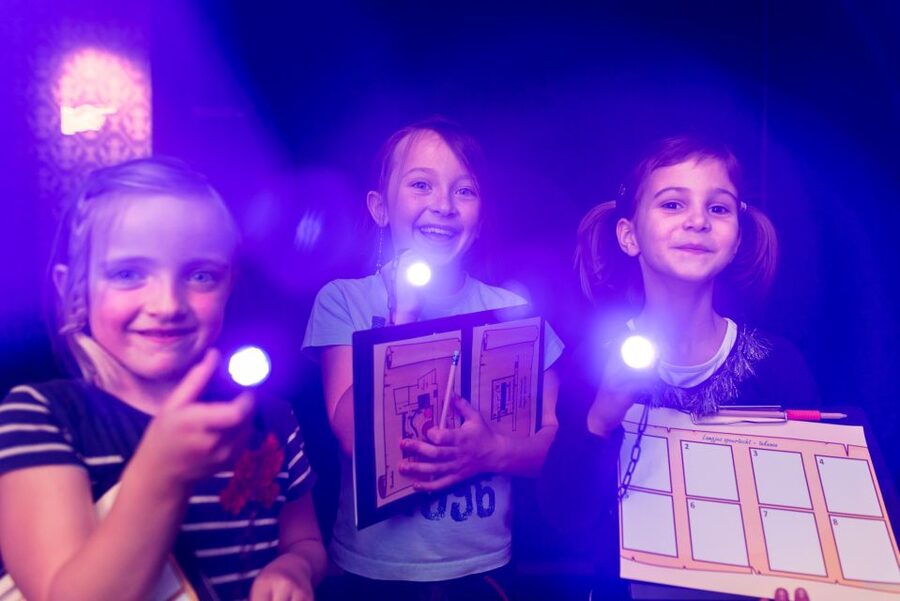
One included activity that can help you stay engaged is the torchlight treasure hunt. It gives you a game-like reason to keep moving through the museum. If you like scavenger-hunt energy, this is a smart way to break up the more story-heavy timeline sections.
My suggestion for pacing is simple: follow the timeline first so you understand the big story, then switch to your favorites. If AI grabs you, spend more time with brAInpower afterward. If the factory and early lightbulbs are your thing, revisit that part of the route. Having a plan prevents you from spending too long in one section and then realizing you ran out of energy.
Who should book the Philips Museum ticket?
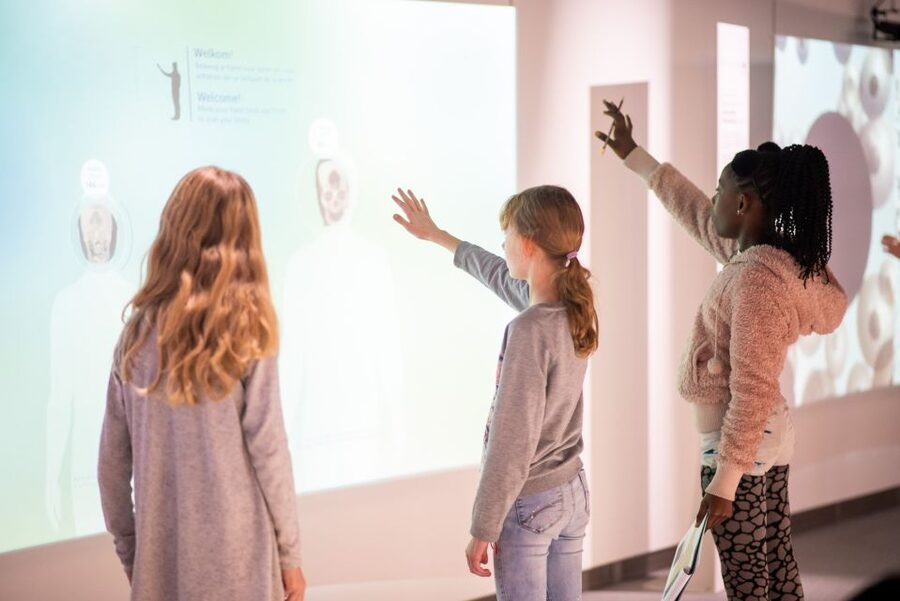
You should book if you like tech with meaning, business history with a human angle, or you want an Eindhoven activity that is more than a quick photo stop. It is also a strong choice for mixed groups: one person can enjoy the timeline and factory history, while another gets pulled toward AI and the future.
I also think it works well for visitors who want structure but not pressure. The step-by-step timeline gives you order, the audio tour gives you depth, and the included scheduled activities let you pick how much program time you want.
If you are traveling with kids, note that some family-focused scheduled activities are not included, such as Museum Kids Factory. The torchlight treasure hunt is included, though, so there is still a playful element.
For anyone who loves interactive learning, the AI exhibition is a clear highlight. For anyone who prefers cultural context, PSV, Eendracht maakt macht and Eyecatchers help broaden the experience beyond electronics.
Should you book Philips Museum entry ticket?
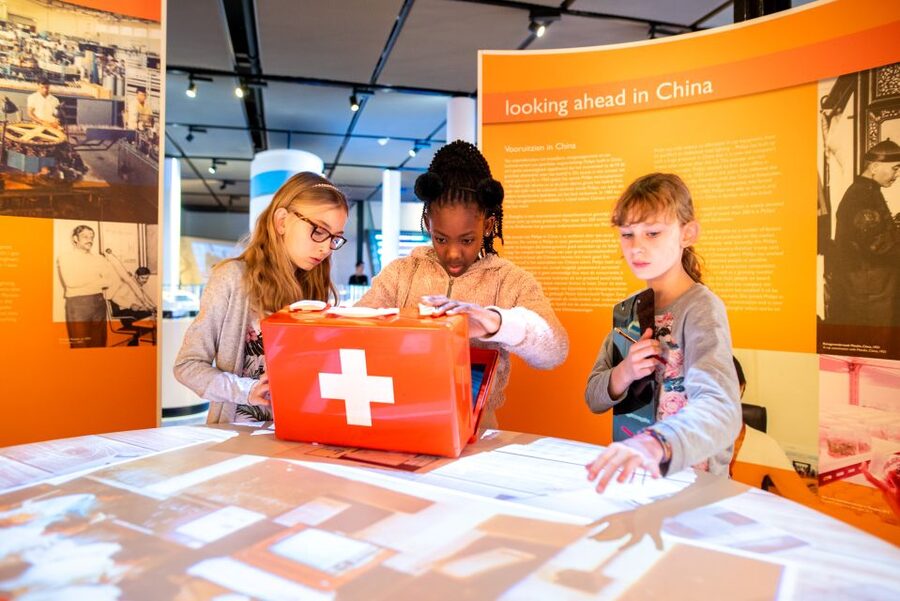
Yes, if you want a well-rounded Philips story in a place that makes the history feel physical. The museum’s value comes from the combo: the 1891 factory setting, the founder and product timeline, the AI-forward brAInpower exhibition, and included scheduled highlights like Mini Lectures and The Lamp.
Book it especially if you are in Eindhoven for a day or part of a day and want one ticket that delivers both history and future-thinking. Skip it only if you want a guided, lecture-style tour with no self-reading or if you are not interested in technology, AI, or how inventions changed daily life.
FAQ
How much is the Philips Museum entry ticket?
The price is listed as $14 per person.
How long is the ticket valid?
The ticket is valid for 1 day. You should check availability to see starting times.
What is included with the ticket?
Entry to the Philips Museum is included, along with scheduled activities such as Mini Lectures and the performance The Lamp, temporary exhibitions including Eyecatchers and PSV, Eendracht maakt macht, an audio tour, storage lockers, and the Torchlight Treasure Hunt.
Is a guided tour included?
No. A guided tour is not included.
What languages is the audio tour available in?
The audio tour is available in Dutch, English, German, French, Turkish, Spanish, and Italian.
Can I pay with cash?
No. Cash is not accepted.
Is the museum wheelchair accessible?
Yes. The museum is wheelchair accessible.
Newest bookings around Eindhoven
- Eindhoven: Self-Guided Individual Street Art Tour★ 4.0 · 4 reviews
- Eindhoven: Strijp-S Industrial Park Guided Walking Tour★ 4.3 · 21 reviews
- Eindhoven: E-Fatbike Tour The Footsteps Of Vincent van Gogh★ 4.6 · 13 reviews
- Eindhoven: Full Day E-Fatbike Rental including route★ 4.9 · 46 reviews
- Eindhoven: Pub Crawl with Free Drinks and Entrance★ 4.6 · 3 reviews
- Eindhoven Zoo Entry Ticket★ 4.6 · 33 reviews
- Eindhoven: Private Guide for a Bike Tour★ 5.0 · 4 reviews
- Eindhoven: City Center Walking Tour★ 4.7 · 43 reviews
Museums, compared.
Moco Museum Amsterdam Entrance Tickets with Banksy & More
Read our review →
Amsterdam’s Weirdest Museum: Ripley’s Believe It or Not!
Read our review →
Browse the lists this tour appears in