
REVIEW · WALKING TOURS
Cultural and Historical Audio guided walking tour Tour of Haarlem
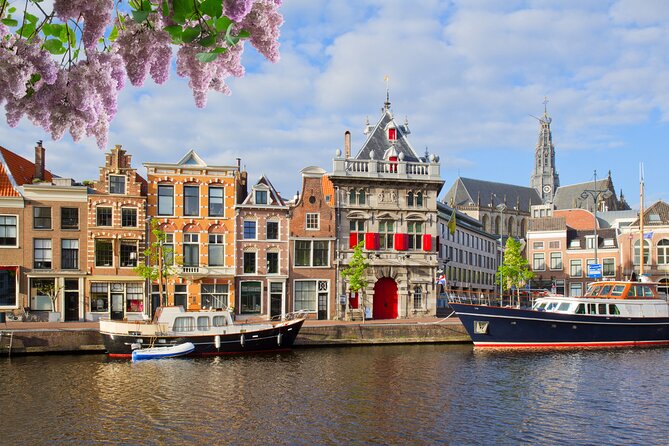
Haarlem sounds better when you let it talk. This GPS audio walking tour helps you wander the city at your own pace, with narration that kicks in when you’re near each spot, so you do not have to stare at your phone. I like that it keeps your eyes on the hofjes (quiet almshouse courtyards), canals, and Golden Age sights, while giving you context for what you are seeing.
Two things I really liked: you get practical wayfinding from your location, and you also get stories that explain why places matter, not just what they are. The route links major landmarks like the Grote Markt and City Hall with softer moments like canal-side streets and small neighborhood lanes, so the walk feels like a real day out instead of a checklist. The one drawback to consider is that GPS timing matters, and if you miss a point or want to jump back, audio-only guidance can feel a bit rigid.
In This Review
- Key highlights that make this walk worth your time
- GPS audio in Haarlem, without phone staring
- Where it starts, where you end, and how that helps your day
- Value for $15.05: when self-guided audio really pays off
- Hofjes: Haarlem’s quiet courtyards, and the one you can only see from a gate
- Corrie ten Boom House: a WWII story stop you can turn into a real visit
- Grote Markt and civic Haarlem: City Hall, market buildings, and statues
- Vleeshal and the meat-market meaning that hides in plain sight
- Waag: the weigh house turned café stop with a named architect
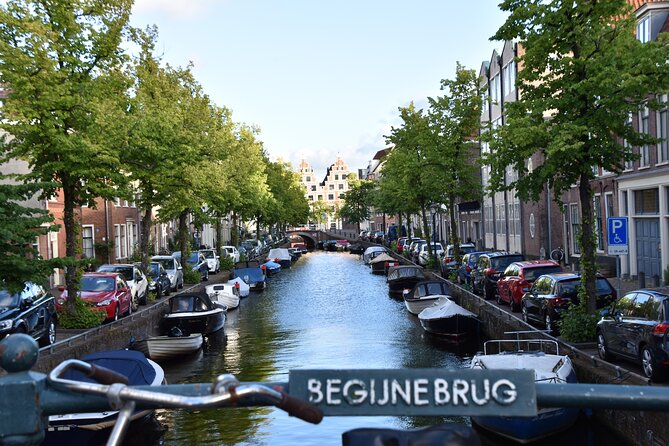
- Canals and Gravestenenbrug: where photos feel earned
- Teylers Museum and Jopen: museums and breweries as part of the same story
- Vijfhoek: small streets that feel like you found a real neighborhood
- Frans Hals Museum: Golden Age art context tied to a real city collection
- Tips to make the GPS audio feel smooth, not frustrating
- Should you book this Haarlem audio walk?
- FAQ
- How long is the Tour of Haarlem walking experience?
- Do I need to bring my own headset?
- Do I have to watch my phone during the walk?
- Is this a live guided tour?
- Are tickets included for museums and attractions?
- Where do I start and where does it end?
- Is this tour refundable if plans change?
Key highlights that make this walk worth your time
- GPS audio that starts when you are close, so you can look around instead of reading
- Hofjes inside a busy city, including Hofje van Oorschot viewed from a gate
- WWII story stop at the Corrie ten Boom House, with a chance to pause and visit
- Big-center landmarks on the Grote Markt, plus links to the Vleeshal and City Hall
- Canal photos and bridge views, built in at Spaarne and Gravestenenbrug
- Frans Hals and Golden Age art context, with the Frans Hals Museum on the route
GPS audio in Haarlem, without phone staring
This is a self-guided walk, driven by GPS audio. You download the app ahead of time, enable location services, and then put on headphones. The narration begins once you are close to each point, which is great for staying present as Haarlem slips by in small, human-scale details.
Because it is audio only, you avoid the classic travel mistake of walking while reading. You can watch for the exact building details you came for, like the way the old civic and market architecture sits around the Grote Markt. It also helps if you want to pause for a photo, a quick snack, or just to watch canal life for a few minutes.
One practical note: GPS navigation is only as good as your phone’s position and your willingness to wait a few seconds. If you are the kind of person who gets annoyed when tech needs a beat, give it that buffer and follow the map view so the story matches your location.
More Walking Tours in Haarlem
- Haarlem: City Highlights Walking Tour
★ 4.5 · 32 reviews - Haarlem Old Town Private Walking Tour
★ 5.0 · 24 reviews - 2 Hours Walking Tour Throughout History & Highlights of Haarlem
★ 4.5 · 18 reviews
Where it starts, where you end, and how that helps your day
The walk starts at Kruisweg 70BR, 2011 LG Haarlem. You end at Grote Houtstraat 1312, 2011 SJ Haarlem, which is Haarlem Centrum’s main shopping street. That ending point is useful because you are not trapped far from the rest of your plans, and it is easy to head back toward transit.
The time target is about 1 hour 45 minutes. That means you can fit it into a sightseeing day with Amsterdam, Keukenhof, or just a focused afternoon in Haarlem, without feeling like you need half your day to “do a tour.” It is also long enough to connect different parts of the old center, instead of staying stuck around one square.
Because it is labeled a private activity, your group stays together, with the audio shared through the app experience. There is no live guide to corral you, so you control pacing, pauses, and detours.
Value for $15.05: when self-guided audio really pays off
At $15.05 per person and roughly 46 days average booking advance, this is priced like a low-commitment way to get meaning out of a walk. The money is not buying a person to talk to you face to face. It is buying a guided narrative that you can run on your own schedule.
That can be a great deal in Haarlem, where the center rewards slow looking. The narration points you toward details that you might miss if you just stroll, like what an almshouse courtyard was meant to do, why the old market buildings developed as they did, and how Frans Hals became a name tied to Haarlem’s Golden Age identity.
If you only want a quick glance at the main sights, you might not need audio. But if you want context while you walk, this kind of self-guided guidance usually beats a passive museum audio ticket, because you are learning while you move.
Hofjes: Haarlem’s quiet courtyards, and the one you can only see from a gate
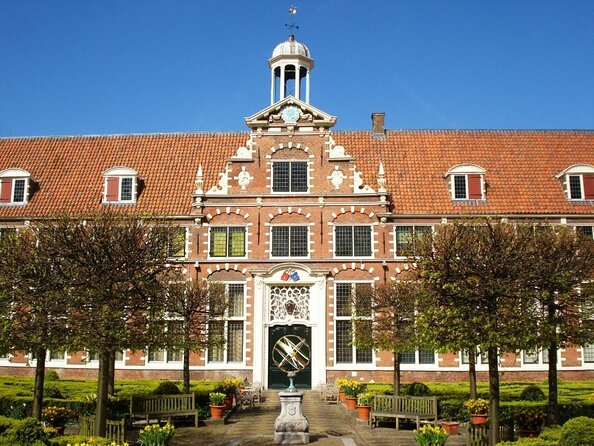
You begin with Hofje van Oorschot, one of Haarlem’s historic hofjes, those enclosed courtyards set inside the city. These were housing solutions for people who needed support, often funded through bequests from prominent families. The result is that the city can be loud at street level, yet you are surrounded by the calm geometry of a courtyard world.
Here’s the twist: Hofje van Oorschot can only be admired from behind a closed gate. Outsiders cannot go inside, so your experience is more about appreciating the idea and the structure than roaming the space. Still, this stop is valuable because it teaches you how Haarlem built care into the urban fabric, long before modern welfare systems.
If you are curious about how cities handled community support historically, this is the kind of start that makes the rest of the walk click. You start to recognize patterns, like how institutions tucked themselves into the city rather than standing alone like monuments.
A different way to spend an afternoon around Haarlem:
- Haarlem: Sightseeing Canal Cruise through the City Center
★ 4.3 · 762 reviews - Haarlem: Sightseeing Boat Tour with Snacks and Drinks
★ 4.5 · 398 reviews - Haarlem: Guided Highlights Canal Cruise on Open Boat
★ 4.7 · 363 reviews - Haarlem: 50 minutes Boat Cruise
★ 4.5 · 272 reviews
Corrie ten Boom House: a WWII story stop you can turn into a real visit

Next up is the Corrie ten Boom House. This is described as more than a museum, because it centers on the story of a family whose strong faith led them to join underground efforts in the Netherlands during World War II.
The audio part gives you the narrative, and the tour is designed so you can pause and visit if you want the full experience. That pairing matters. Standing at a site while you listen can help you process what you are seeing, and then an actual visit can add artifacts, rooms, and details that audio alone cannot provide.
A tip for this segment: plan your emotions, not your stopwatch. WWII sites can hit harder than expected, so if you are traveling with kids or sensitive companions, give yourselves time rather than rushing straight through.
Grote Markt and civic Haarlem: City Hall, market buildings, and statues
Then you step into the heart of town at the Grote Markt, Haarlem’s main central market square. This is where you find a cluster of iconic buildings packed close together, including the old Vleeshal and the Town Hall area, plus statues that help anchor the square visually.
The audio narration here is meant to put names and purposes on what you can see. Without that context, a square is just a square, pretty but generic. With the narration, you start to understand why the buildings group the way they do and what roles they played in civic life.
You also hear about the City Hall, built in the 14th century and described as replacing an earlier Count’s castle. That is one of those facts that changes how you look at a façade. Suddenly, the building is not just old, it is part of a sequence of power, governance, and city identity.
Vleeshal and the meat-market meaning that hides in plain sight
The walk also connects to the Vleeshal, a historic building dating from 1603 on the Grote Markt. The word reference is blunt and useful: Vlees means meat. It is the kind of detail that makes the old market feel real, because it reminds you that commerce was physical, not abstract.
The audio focuses on helping you read the place. If you like architecture, this is one of the stops where the narration is doing the job of interpretation: it nudges you toward the elements that matter, and it gives you a reason for the building to exist where it does.
Even if you do not plan to enter any museum rooms, the value is in the mental map the story builds. Haarlem’s center becomes legible, and you start recognizing patterns on your next day of wandering.
Waag: the weigh house turned café stop with a named architect
You will also reach the Waag, described as a former weigh house that now serves as a café for tourists. The building design is credited to Lieven de Key, which is a nice detail because it links Haarlem’s built environment to a specific designer rather than treating the structure as anonymous old stone.
This is a practical stop as well. Weigh houses were connected to trade and measurement, so it is a “how commerce worked” site, not just a pretty building. Since it is now used as a café, it also gives you a natural break point to sit down and reset.
If you are doing the walk when you feel hungry, plan your timing here rather than forcing a snack later. The audio lets you keep your place, and a break improves your attention for the next stretches.
Canals and Gravestenenbrug: where photos feel earned
Haarlem’s water shapes the city. The walk includes Bakenessergracht, a canal you stroll over while the narration shares neighborhood stories from the past. This kind of stop is great because it slows the pace and turns a simple bridge crossing into a sense-making moment.
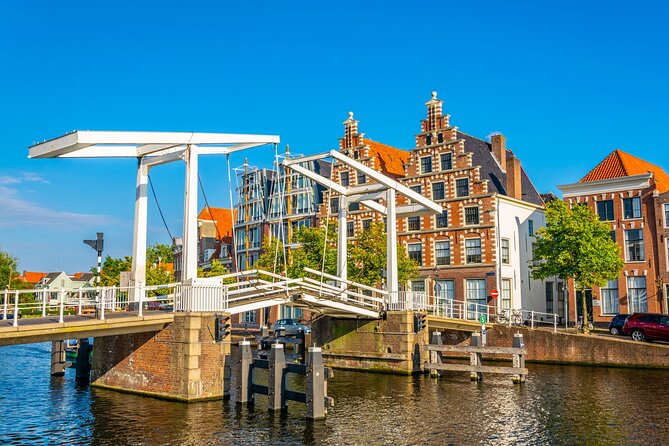
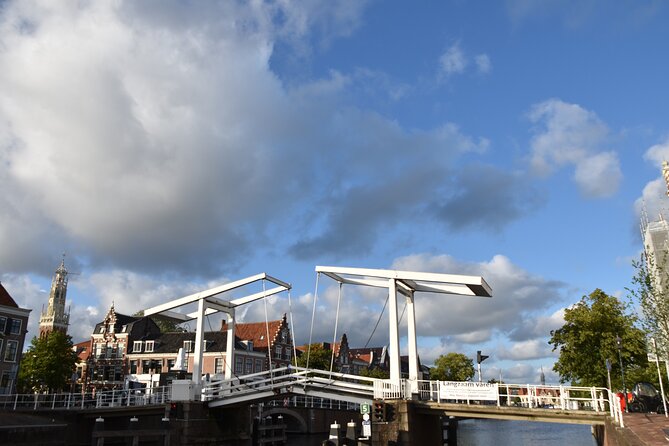
You also get to Spaarne and Gravestenenbrug, a bridge called out as an iconic photo spot. The bridge is one of those places where you instinctively stop anyway, but the audio adds a layer of what happened earlier in the city’s life. That is the sweet spot for this tour: it encourages the natural behavior of pausing for photos, then gives you context for why the view matters.
If you enjoy walking with a camera, I would treat these as your “slow down” moments. Let the water and reflections do the work.
Teylers Museum and Jopen: museums and breweries as part of the same story
The tour includes Teylers Museum, described as a Museum of Wonders that was established in 1778. It is presented as a place connected to contemporary art and science, along with other areas of learning. Even if you do not plan to enter, the narration helps you understand why a museum belongs on a walking route.
Next, you reach Jopen, Haarlem’s beer brewery. The audio frames Jopen beer as resulting from work by Stichting Haarlems Biergenootschap, founded in 1992. That matters because it positions modern brewery culture as something with local roots, not just a generic tourist brew stop.
If you want a drink or bite, this is built for it. It is a good reminder that cultural history is not only museums and old squares. It also lives in how cities keep traditions alive, then reinvent them for today.
Vijfhoek: small streets that feel like you found a real neighborhood
Near the end, you pass through Vijfhoek, described as part of Oude Stad in Haarlem Centrum. The big selling point here is that you walk in small streets, and the audio shares historic stories tied to the area.
This kind of neighborhood segment is often what makes a city walk feel authentic. Big landmarks can become scenery. Side streets and smaller lanes are where you see everyday Haarlem, where the buildings look lived in, and where the city’s rhythm feels quieter.
If you are trying to avoid feeling like you are only sightseeing from one postcard vantage point, this is your stretch.
Frans Hals Museum: Golden Age art context tied to a real city collection
The final major cultural anchor is the Frans Hals Museum, also known as the Museum of the Golden Age. The narration frames the museum’s collection as connected to Haarlem’s own holdings built up from the 16th century onwards, rather than an isolated, imported treasure trove.
Frans Hals is central here, because the museum is named after him. If you are even loosely interested in Dutch art, this is a satisfying close: you end the walk with a story about painting, collecting, and identity, all tied to one of Haarlem’s famous names.
If you want to add one more step after the audio ends, this museum is a natural candidate. The walk has already given you the why, so an on-site visit can feel less random.
Tips to make the GPS audio feel smooth, not frustrating
Because this is fully self-guided with GPS, you get the best experience when you reduce friction.
First, give GPS a moment. When you arrive at a point, pause for a few seconds so the audio can lock on. If you rush, you might step past the trigger and then the narration will not make sense anymore.
Second, use your phone’s map view when you need to. The tour is designed so it is almost impossible to get lost, but it still helps to confirm where you are relative to the next point. This is also how you handle the one annoyance some people run into: not knowing which building the narrator is describing.
Third, bring your own headset. The experience specifically notes you need to bring one, so do not rely on luck. If your phone battery is low, charge up before you start, because GPS audio and phone navigation can drain faster than you expect.
Finally, plan for a human pace. The route is about 1 hour 45 minutes, so it is not a sprint. If you keep stopping for photos at bridges, stepping into a WWII site, or sitting for coffee at the Waag, you will stretch the experience. That is not a flaw, it is how you get value.
Should you book this Haarlem audio walk?
Book it if you want context while you walk and you like the idea of learning without checking your phone screen every minute. For the price of a coffee, you are paying for a story-driven route that links hofjes, canals, major squares, and Haarlem’s art identity around Frans Hals.
Skip it if you strongly prefer guided face-to-face instruction or you dislike technology that depends on GPS accuracy. If you want lots of museum time and lots of entry tickets, this format may feel too focused on narration as you move, not on long indoor visits.
My call: this is a solid, low-risk way to understand Haarlem’s character in a short window, especially if you enjoy wandering old city cores and letting audio do the teaching work.
FAQ
How long is the Tour of Haarlem walking experience?
It takes about 1 hour 45 minutes (approx.).
Do I need to bring my own headset?
Yes. The tour notes that you should bring your own headset.
Do I have to watch my phone during the walk?
No. The audio guide uses GPS navigation, and the idea is that you do not need to look at your phone screen to follow along.
Is this a live guided tour?
No. This is an audio guided walking tour you follow using an app. It is private in the sense that only your group participates, but it is not described as a live guide.
Are tickets included for museums and attractions?
Some items are marked free, including Hofje van Oorschot (viewed from behind a closed gate), Bakenessergracht, and Vijfhoek. Other stops specify that admission tickets are not included, such as the Corrie ten Boom House and major museums like Teylers Museum and the Frans Hals Museum.
Where do I start and where does it end?
You start at Kruisweg 70BR, 2011 LG Haarlem and end at Grote Houtstraat 1312, 2011 SJ Haarlem.
Is this tour refundable if plans change?
No. The experience is non-refundable and cannot be changed for any reason.
More Historical Tours in Haarlem
- Haarlem: Personalized Private tour Highlights & History
★ 4.9 · 13 reviews - Amsterdam Food and Cultural Tour with Tastings
★ 5.0 · 4,315 reviews - Rotterdam: Kinderdijk UNESCO World Heritage Entry Ticket
★ 4.6 · 1,477 reviews - The Hague: Hop-on Hop-off Heritage Tram Tour
★ 4.5 · 1,311 reviews
Newest bookings around Haarlem
- Life of Corrie Ten Boom & World War 2 Walking Tour★ 5.0 · 4 reviews
- Haarlem: Personalized Private tour Highlights & History★ 4.9 · 13 reviews
- Haarlem: Unlimited Drinks City Cruise★ 4.0 · 3 reviews
- Haarlem: Windmill ‘De Adriaan’ Guided Tour★ 4.7 · 197 reviews
- Haarlem: Self-Drive Private Electric Boat Rental★ 4.7 · 59 reviews
- Haarlem: Frans Hals Museum Entrance Ticket with Audio Guide★ 4.4 · 79 reviews
- Haarlem: Local Cheese and Wine Cruise★ 4.6 · 19 reviews
- Haarlem: Food Tour★ 5.0 · 4 reviews
Walking Tours, compared.

Amsterdam Anne Frank: Small-Group Walking Tour & Local Guide
Read our review →
Anne Frank’s Story – Guided Walking Tour through Amsterdam
Read our review →
Absolutely Amsterdam – the Essential Introductory Walking Tour
Read our review →
Anne Frank Guided Walking Tour in DE/EN/IT/ES
Read our review →

Anne Frank Walking Tour Amsterdam Including Jewish Cultural Quarter
Read our review →Browse the lists this tour appears in