REVIEW · ZOOS
Arnhem: Burgers’ Zoo Entry Ticket
One zoo, five climate zones, zero boredom. Burgers’ Zoo in Arnhem turns animal viewing into a walk through recreated habitats, with you moving from tropical humidity to desert terrain in a single day.
I love how the park’s eco-displays feel designed for real life, not just viewing. The Bush rainforest brings in the smells, dense vegetation, and wet air, while giraffes and rhinos roaming the Safari plains give you that open, real-wildlife feeling.
One drawback: you’ll do a lot of walking. It is worth it, but plan for breaks, and know food and drinks are not included in your ticket price.
In This Review
- Key things I’d plan around
- Burgers’ Zoo in Arnhem: what makes it more than a normal zoo
- 8 hours and 45 hectares: how to pace your visit
- The Bush indoor rainforest (opened 1988): humidity, dense plants, and close animal time
- Desert + Ocean: Mexican-American rock terrain, coral reef, and vultures
- Safari + Rimba: giraffes and rhinos on the plains, plus the Malay rainforest feel
- The indoor mangrove inspired by Belize: why this is a can’t-miss stop
- Food, comfort, and the small costs that affect your day
- What the best reviews are pointing to, and how to use that info
- Who should book this Burgers’ Zoo ticket?
- Should you book this Arnhem Burgers’ Zoo entry ticket for 8 hours?
- FAQ
- What is included with the Arnhem Burgers’ Zoo ticket?
- How long do I have for my visit?
- Is food and beverages included in the ticket price?
- Is parking available?
- How much does the ticket cost?
- Do I need to buy a ticket at the entrance?
- Is Burgers’ Zoo wheelchair accessible?
- Can I cancel for a refund?
- Can I reserve and pay later?
- Where is this experience located?
Key things I’d plan around
- 45 hectares of eco-displays where animals, nature, and visitors share the same big habitat spaces
- 8 million liters of water behind the Ocean and mangrove environments
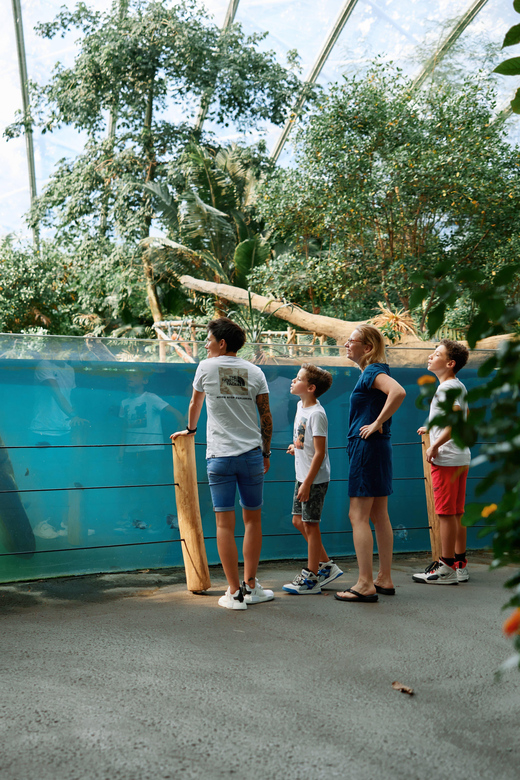
- The largest indoor mangrove in the world, inspired by Belize
- One-day variety from a Mexican-American rock Desert and desert vultures to the Safari with giraffes and rhinos
- A park that rewards a slow pace, with hidden details along well-maintained routes
Burgers’ Zoo in Arnhem: what makes it more than a normal zoo
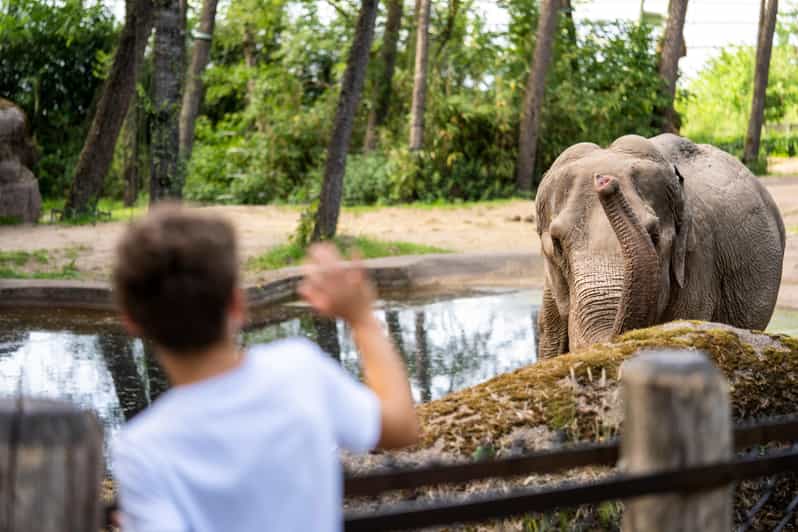
Burgers’ Zoo is in Gelderland, Netherlands, and it plays a clever game with your expectations. Instead of rows of exhibits, it builds large natural habitats and then organizes the day like a tour of ecosystems.
That matters because you stop thinking of animals as “behind glass” and start thinking of them as part of a living system. You move through the Bush (tropical rainforest), the Desert (Mexican-American rock desert), the Ocean (coral reef), the Safari (savannah plains), the Rimba (Malay rainforest), and the indoor mangrove inspired by Belize. The result is a mini world tour without needing trains or luggage.
The other big reason people get hooked fast is the sensory style of the exhibits. In the tropical parts, you can feel the humidity and hear the sounds of the habitat. In the drier zones, you get the visual cues of rocky, open terrain. It is not just about “seeing animals,” it is about matching the environment so you understand what they live in.
A handful of other Arnhem outings
- Amsterdam: ARTIS Amsterdam Royal Zoo Entry Ticket
★ 4.6 · 5,651 reviews - Rotterdam: Rotterdam Zoo Blijdorp Entry Ticket
★ 4.6 · 2,754 reviews - Amsterdam: Artis Royal Zoo & ARTIS-Micropia Combo Ticket
★ 4.8 · 221 reviews
8 hours and 45 hectares: how to pace your visit
Your ticket gives you up to 8 hours inside Burgers’ Zoo, and the park covers 45 hectares. That sounds huge, and it is. But the good news is that the exhibits are arranged so you can make it feel like a smooth loop rather than a sprint.
Here is how I’d pace it so you do not miss the best parts:
- Start with the habitats that are most different from each other. If you can, go from rainforest to desert to ocean without cramming them all back-to-back. Your brain needs contrast to stay engaged.
- Keep at least one longer stretch for the indoor mangrove area and one longer stretch for the Bush. Those are the “special effects” zones where you want time to slow down.
- Plan for a break. One of the practical takeaways from real visitors is that stopping at on-site restaurants helps you recharge and keep walking comfortably.
Also, if your day has flexibility, check starting times before you go. With an 8-hour ticket, timing matters more than you think. You want enough daylight inside if you are aiming for a longer stroll, but you also want time to linger in the big indoor areas without rushing.
The Bush indoor rainforest (opened 1988): humidity, dense plants, and close animal time
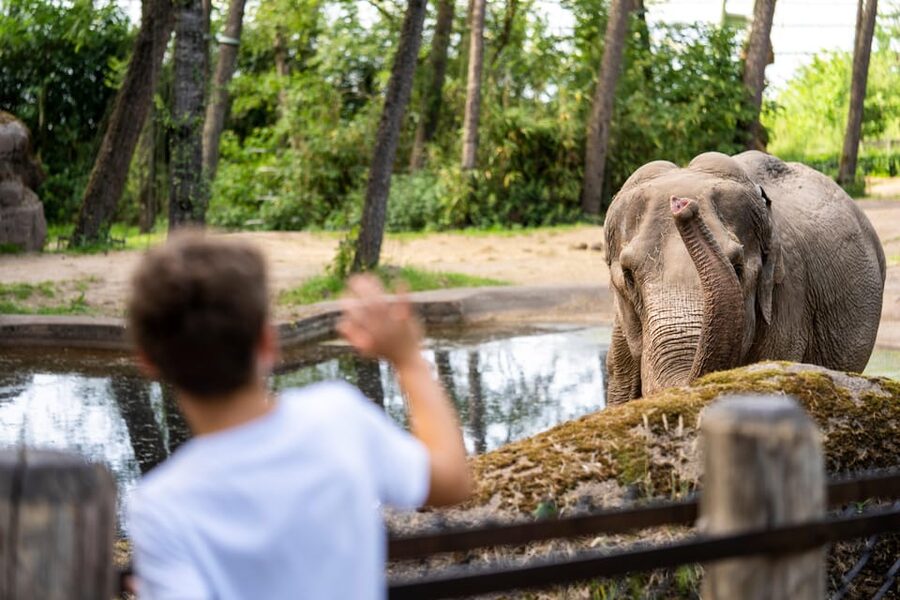
The Bush is the tropical rainforest area, opened to the public back in 1988. It is about more than trees and canopy views. When you step in, you get hit with the real atmosphere: humidity, dense vegetation, smells, and sounds that make the whole area feel like a living jungle.
This is also where Burgers’ Zoo leans into the “you are inside the habitat” feeling. Instead of giving you one flat viewing angle, the setup encourages you to move along the paths while animals are part of the environment around you. That is why people talk about getting remarkably close to animals while still enjoying a calm walking route.
What you might see in the Bush and surrounding tropical areas:
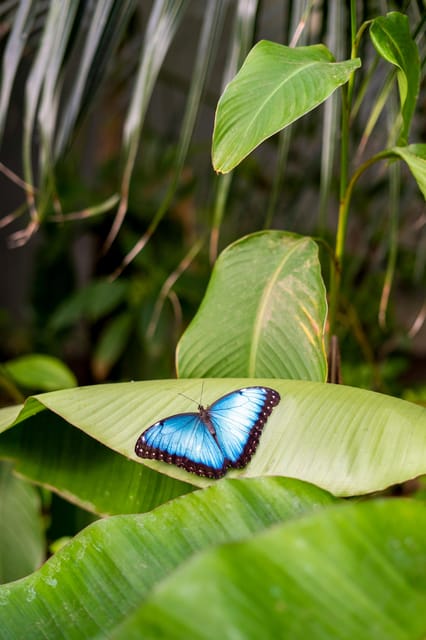
- Butterflies, which are often the first thing you notice because they move through the layers of plants
- A deeper sense of scale from the larger, indoor rainforest design
- Tropical jungle “noise” that makes the space feel more active than standard exhibit rooms
Practical tip: bring layers or at least expect to cool off afterward. Indoor rainforest zones can feel warmer and stickier than you expect. If you start your day here, it can set the mood nicely, but just know that the humidity may be the strongest physical feature of your whole visit.
Desert + Ocean: Mexican-American rock terrain, coral reef, and vultures
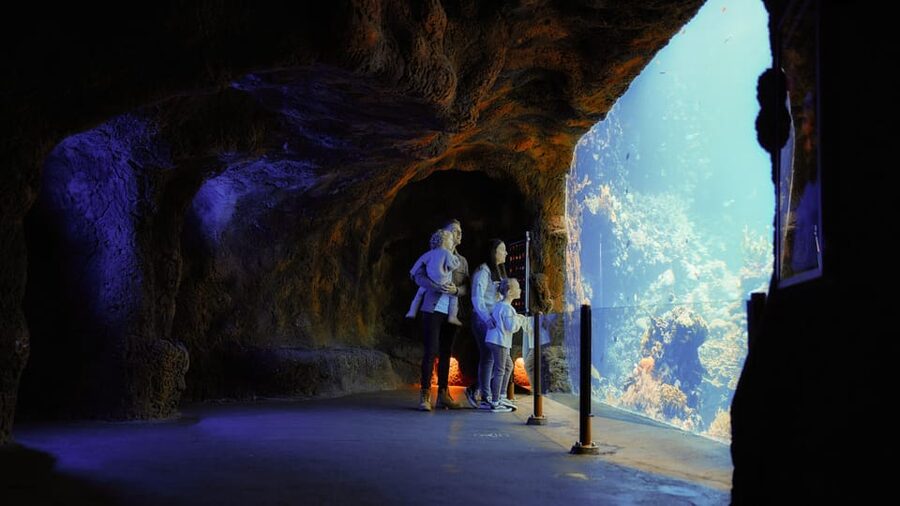
After the rainforest, Burgers’ Zoo shifts gears with the Mexican-American rock Desert. This is where the park gives you those open, dry-land cues. If you remember one thing from the Desert zone, it should be the vultures. They fit the rocky, exposed feel of the display and help anchor the whole ecosystem idea.
Why this works: the Desert is not just “a place with rocks.” It is one part of the zoo’s bigger story, where the environment and animal behavior match the habitat theme. That makes your walk feel like you are learning as you go, not just passing between unrelated cages.
Then comes the Ocean area, focused on a coral reef in the Indian Pacific Ocean. The Ocean zone gives you a different type of immersion. Instead of humid air and jungle sounds, you get the reef vibe and the feeling of being near a watery world.
What I like about pairing these two zones back-to-back is that they break your day into chapters:
- Desert resets your eyes with dry rock and open space
- Ocean gives you that “different world” feeling again
If you enjoy aquarium-style environments, the Ocean is likely to be one of your favorite stops. And even if you are not an aquarium person, it is a relief from the hotter indoor humidity because the atmosphere is visually and experientially different.
Safari + Rimba: giraffes and rhinos on the plains, plus the Malay rainforest feel
The Safari is the big moment for people who love animals with big silhouettes. Here, giraffes and rhinos wander across the savannah plains. Watching animals on open ground changes the entire feeling of a zoo visit, because you are not only looking at faces. You’re tracking movement across a larger space.
This is one of the easiest zones to understand even if you know nothing about ecology. You see a savannah setup, and you see the animals that fit that style of habitat. It is the kind of exhibit that makes you pause because it looks like the real thing.
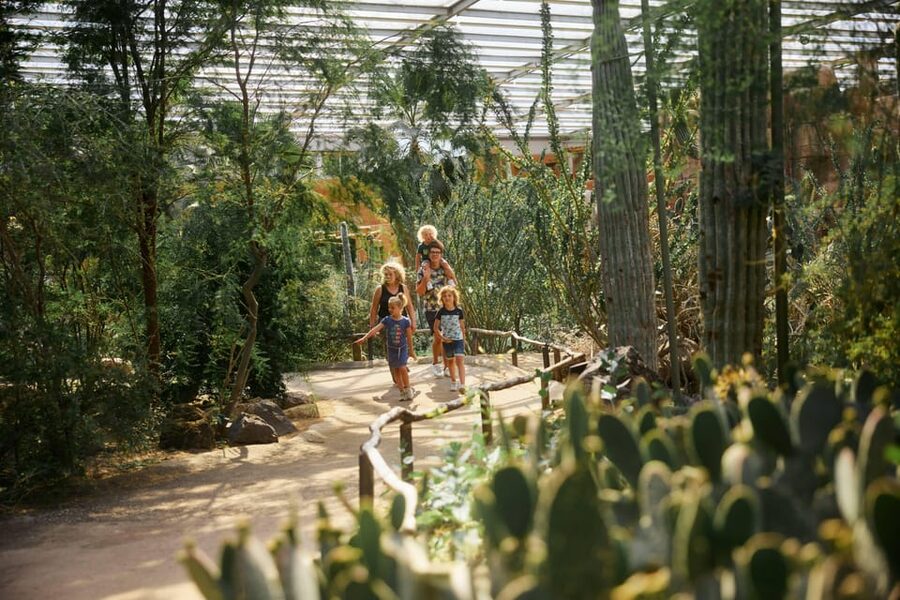
Next is the Rimba, the Malay rainforest. This gives you another tropical experience, but with a different “flavor” than the Bush. Tropical does not automatically mean one atmosphere, and the Rimba helps you feel that variety.
If you like plants, this is also a strong stop. One theme across the zoo is that the environment is part of the show. The routes are built so you can appreciate how different sections of the park create different rainforest moods.
The indoor mangrove inspired by Belize: why this is a can’t-miss stop
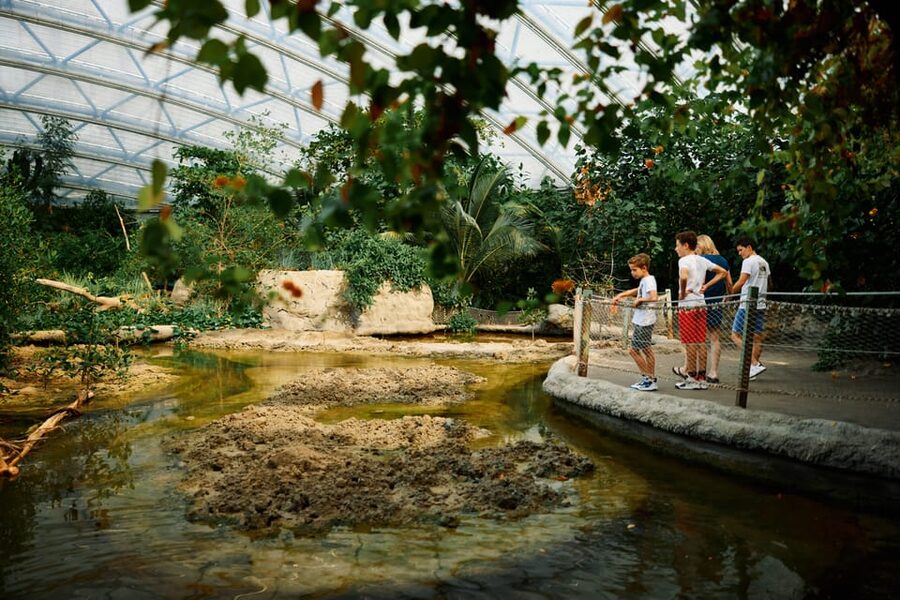
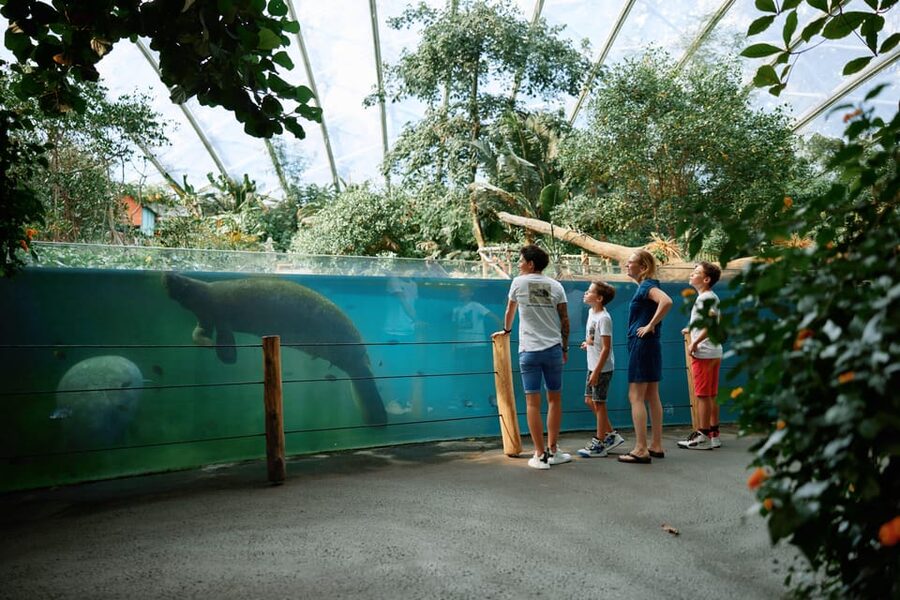
The mangrove is the youngest eco-display in the zoo, and it has a standout claim: it is the largest indoor mangrove in the world, inspired by a nature area in Belize. That Belize inspiration matters because it is not random. The supplied information notes it has been managed for almost 30 years, so the design connects to real long-term habitat management.
Inside the mangrove, you will find animals that fit this wet, tangled environment. Expect to see:
- Butterflies
- Manatees
- Many different species of crabs
For me, the mangrove is the heart of what makes Burgers’ Zoo special. It is a full environment you walk through, not just a display. And it is especially impressive because it is indoors. You get a wetlands feel without needing the weather to cooperate.
Practical tip: this is a great place to slow down. Take your time with the paths, and do not rush your first pass. Indoor exhibits can be visually busy, so the more you linger, the more you notice.
Food, comfort, and the small costs that affect your day
Your ticket covers admission to Burgers’ Zoo. Food and beverages are not included, so plan for at least one sit-down break. Real visitors also specifically note that a pause at one of the on-site restaurants is worth it, both for comfort and for keeping energy up.
On the cost side, here’s what you should budget for:
- Ticket price: $33 per person
- Parking: available for an additional fee of €8.50
- Food and drinks: not included (so bring money or plan your purchases)
Is $33 good value? For this particular zoo, yes, because you are not paying for one small attraction. You are paying for a full half to full day in a park that covers multiple major ecosystems and includes big indoor immersion, including the world’s largest indoor mangrove. If you were visiting a standard zoo that is more exhibit-heavy and less habitat-driven, you would often feel done after a couple hours. Here, the 8-hour format makes sense.
Comfort tip: plan your day around indoor sections and walking sections. You will move between humid zones and drier zones, so bring clothes that handle heat and allow movement. Also, wear comfortable shoes. This is not a “sit at every stop” experience.
What the best reviews are pointing to, and how to use that info
The highest praise tends to cluster around a few practical realities:
- The zoo feels clean, and the staff are friendly.
- The exhibits make you feel part of each ecosystem, not like a spectator stuck behind a boundary.
- Walking routes are well-maintained, and you can get close enough to really appreciate animals.
- The variety is what makes it work as a full day, from desert-to-tropics to ocean settings.
That last point is the one you should use when planning. If you are choosing Burgers’ Zoo as a day trip, treat it like a slow sightseeing loop, not a checklist. Give yourself time to wander and let one habitat lead you to the next.
One extra detail you might appreciate: visitors also highlight botanical domes with birds and butterflies. That fits the broader pattern of the zoo, where plant-heavy spaces are not just decoration, they support real habitat viewing.
Who should book this Burgers’ Zoo ticket?
This ticket is a strong match if you want:
- Big ecosystem variety in one place, without hopping between multiple attractions
- A zoo experience that feels designed like habitat, not like separate small rooms
- Indoor options you can enjoy even when weather is unpredictable, especially with the jungle and mangrove areas
It may be less ideal if you:
- Hate walking long distances
- Want food included in the ticket price
- Prefer simple, quick zoo visits over a longer, sensory day
Overall, I’d say this is a great choice for families, nature-lovers, and anyone who likes learning through visual environments rather than reading a lot of text.
Should you book this Arnhem Burgers’ Zoo entry ticket for 8 hours?
Yes, I think you should book it if you want a real day out in Arnhem that feels like more than animals behind barriers. The value comes from the scale of the eco-displays, the time window of 8 hours, and the fact that you get multiple habitat “chapters” like the Bush rainforest, the Desert, the Ocean, the Safari plains, the Rimba rainforest, and the Belize-inspired indoor mangrove.
If you are willing to slow down and pace yourself, you will likely come away feeling like you experienced a set of ecosystems, not just a zoo. Just remember to plan for food costs, comfortable shoes, and breaks in the more humid areas.
FAQ
What is included with the Arnhem Burgers’ Zoo ticket?
Admission to Burgers’ Zoo is included.
How long do I have for my visit?
The duration is 8 hours.
Is food and beverages included in the ticket price?
No. Food and beverages are not included.
Is parking available?
Yes. Parking is available for an additional fee of €8.50.
How much does the ticket cost?
The price is listed as $33 per person.
Do I need to buy a ticket at the entrance?
No. The ticket says you can skip the ticket line.
Is Burgers’ Zoo wheelchair accessible?
Yes, it is wheelchair accessible.
Can I cancel for a refund?
Yes. Free cancellation is available up to 24 hours in advance for a full refund.
Can I reserve and pay later?
Yes. There is a reserve now and pay later option described.
Where is this experience located?
It is located in Gelderland, Netherlands.
Newest bookings around Arnhem
- Kröller-Müller Museum Entrance Ticket★ 4.4 · 241 reviews
- Oosterbeek: Airborne Museum Hartenstein Entry Ticket★ 4.7 · 58 reviews
- Otterlo: De Hoge Veluwe National Park Entry Ticket★ 4.5 · 97 reviews