
REVIEW · MUSEUMS
Amsterdam: Canal House Museum ‘Van Loon’ Entry Ticket
A canal house museum feels like time travel. Museum Van Loon lets you wander a 17th-century mansion at your own pace and see how one influential family lived in Amsterdam.
I especially love the portrait gallery concept, because it turns the house into a family story you can follow room to room. I also really like the quiet payoff of the inner garden and coach house, which give your visit a slower, calmer rhythm than the busy city outside.
One thing to keep in mind: this is mostly self-guided roaming through rooms and collections, so if you want lots of narration or constant action, a couple of spaces can feel a bit light unless you take time to read and look closely.
In This Review
- Key Highlights You Should Know
- Canal-Belt Setting on Keizersgracht 672
- A 1672 Canal House With a Museum Opening in 1973
- Entering the Historic Rooms at Your Own Pace
- Portrait Gallery: The Van Loon Family Story in Faces
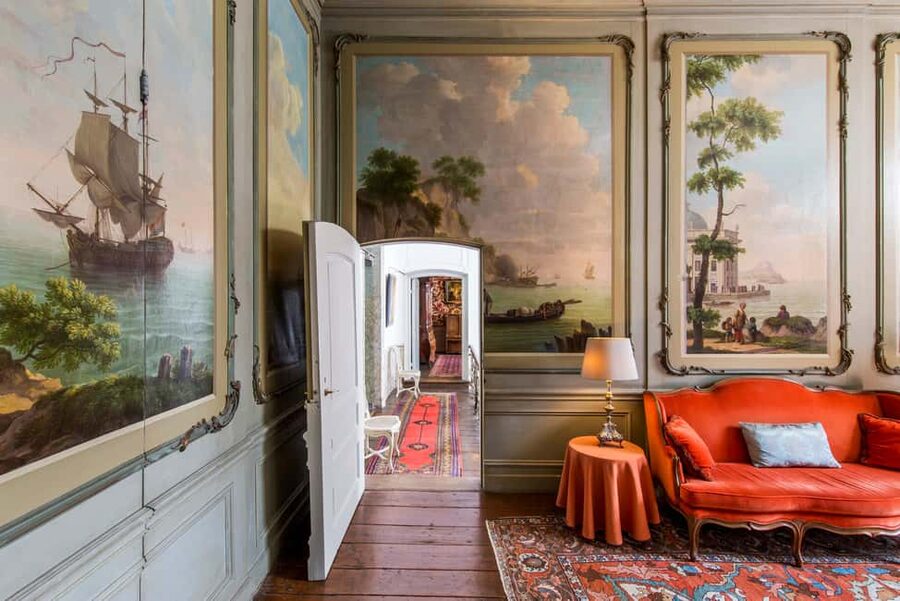
- Paintings, Furniture, and Everyday Utensils That Make It Feel Lived-In
- Ferdinand Bol to Van Loons: Understanding the House’s Changing Identity
- Inner Garden and Coach House: The Calm Part of the Day
- Temporary Exhibits: How to Spot the Worthwhile Add-On
- Price and Value: What $21 Buys in Amsterdam
- Hours, Timing, and Practical Planning for a Smooth Visit
- Who Should Book a Museum Van Loon Ticket?
- Reviews: What the Average Experience Points to
- Should You Book Museum Van Loon Tickets?
Key Highlights You Should Know
- Keizersgracht location in the heart of Amsterdam’s canal belt, at Keizersgracht 672
- Built in 1672, later opened to the public in 1973
- Room-by-room access at your own pace, with rooms tied to the Van Loon family
- Portrait gallery that helps you understand who lived here and why they mattered
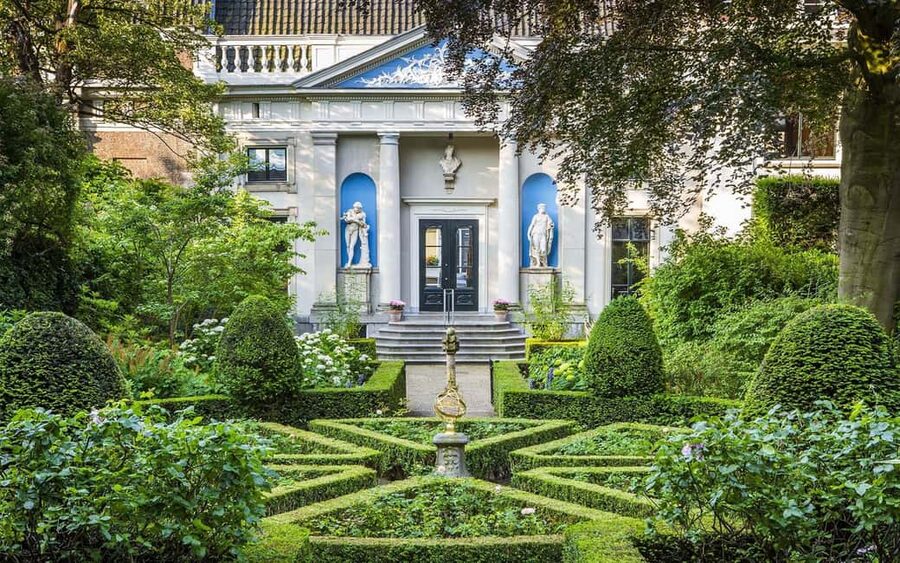
- Inner garden and coach house for a breather away from street noise
- Occasional temporary exhibits that can add variety to what you see
Canal-Belt Setting on Keizersgracht 672
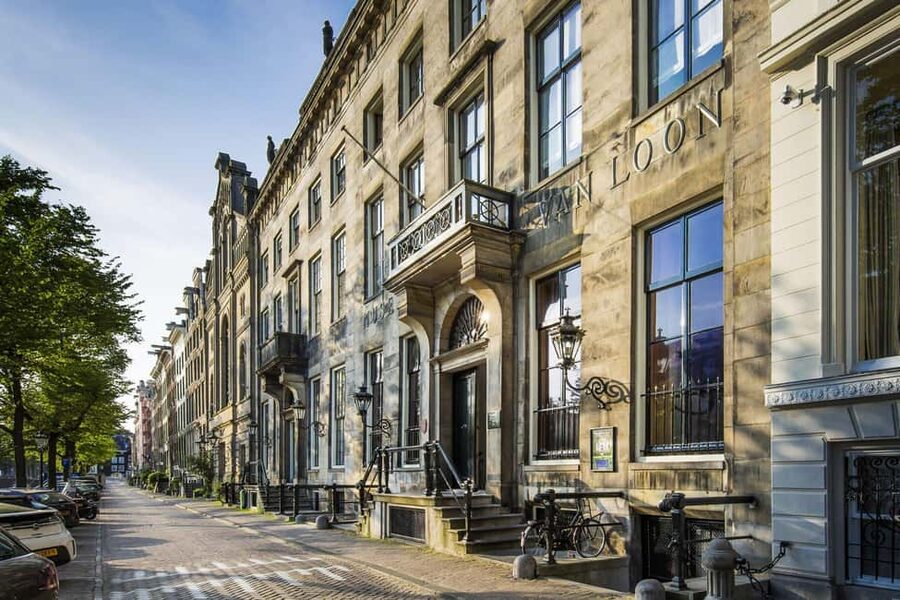
You start right in Amsterdam’s “show me the canals” zone, where the streets feel made for slow walking. Museum Van Loon sits on Keizersgracht 672, so you can do this visit as part of a canal-belt day rather than treating it like a separate errand.
If you like architecture, this is an easy win. Even before you go inside, the building tells you you’re in the right neighborhood for Dutch Golden Age wealth. Think elegant, formal, and built to impress people coming and going from the water.
And because it’s a 1-day visit with a set opening window, you can slot it in between other nearby stops without stress. That matters in Amsterdam, where everything else is always calling your name.
More Museum Tours in Amsterdam
- Amsterdam: Van Gogh Museum Ticket
★ 4.7 · 52,054 reviews - Moco Museum Amsterdam Entrance Tickets with Banksy & More
★ 4.4 · 10,088 reviews - Amsterdam: Red Light Secrets Museum Entry Ticket
★ 4.2 · 5,722 reviews
A 1672 Canal House With a Museum Opening in 1973
The house you visit was constructed in 1672, during the height of Amsterdam’s power and prosperity. Later, it opened to the public in 1973, which means the museum has had time to shape the experience into something you can actually follow.
One of the nicest things about visiting a museum in a real canal house is scale. You can feel how life worked when social status and daily routine were built into the floor plan. You’re not looking at a replica. You’re walking through spaces designed for a family and their guests.
The museum also frames the story with key occupants. It starts with painter Ferdinand Bol as the first tenant, then moves through the period when the house becomes associated with the Van Loon family. That gives you a clear thread even when you’re moving independently.
Entering the Historic Rooms at Your Own Pace
Once inside, plan for a slow, intentional wander. Museum Van Loon is not built around sprinting to the next photo spot. You get to explore at your own pace, which is great if you like reading, comparing rooms, and noticing how furniture and objects change from one space to the next.
You’ll see rooms that help you understand what living in a place like this meant. The museum connects the house to broader life in Amsterdam, so you’re not just admiring decor. You’re asking practical questions like: Who lived here? How did they show status? What did day-to-day life look like in a wealthy Dutch home?
As you move through, focus on the small shifts. A room can feel grand, but the museum’s best moments come when you notice the everyday side too, through household items and well-chosen collections.
Portrait Gallery: The Van Loon Family Story in Faces
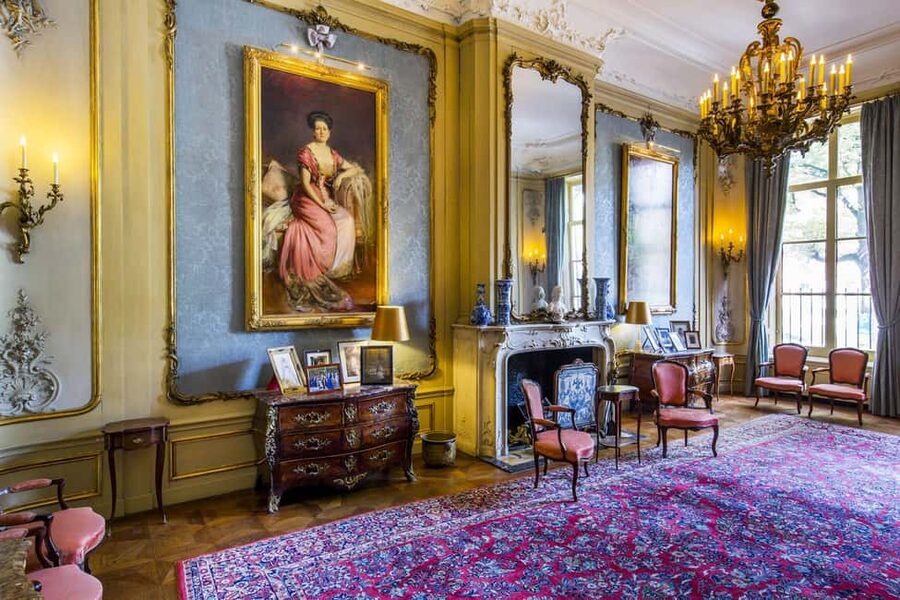
One standout is the impressive portrait gallery, built around the family that lived here. Instead of treating portraits like background art, the museum uses them to make the people feel real and specific.
This works especially well if you want to understand Amsterdam as more than canals and bicycles. The family connection helps you see why certain people mattered: they were part of networks that linked the city to wider events and trade.
One review specifically highlighted connections to the Oriental Indian company, and that kind of detail is exactly what makes portraits more than decoration. When you can connect a face to a web of commerce and influence, the museum stops being purely visual and becomes easier to remember.
A handful of other Amsterdam outings
- Amsterdam’s Weirdest Museum: Ripley’s Believe It or Not!
★ 4.5 · 4,920 reviews - Amsterdam: Van Gogh Museum Ticket and City Canal Cruise
★ 4.6 · 3,899 reviews - Amsterdam: Rembrandt House Museum Entrance Ticket
★ 4.7 · 3,385 reviews - Amsterdam: Van Gogh Museum Ticket & Canal Cruise
★ 4.5 · 3,304 reviews
Paintings, Furniture, and Everyday Utensils That Make It Feel Lived-In
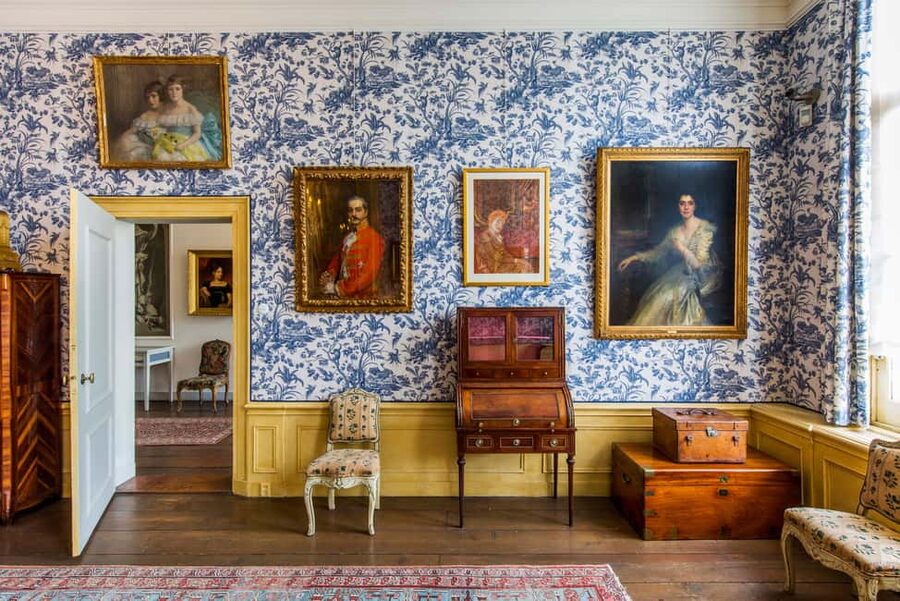
The museum includes an extensive collection of paintings, furniture, and utensils for everyday use. That mix is a big reason this feels like a real home, not just a stage set.
Here’s how I’d approach it: don’t try to see everything. Pick a few objects and spend real time with them. Look at materials, how items are arranged, and how the rooms present daily life. Then connect it back to the larger story the museum is telling about the house and its inhabitants.
This is also where you get a sense of how Amsterdam fit into the world. The museum aims to show the city’s history through what you’re seeing inside. You’re learning how the family’s life intersected with Amsterdam’s broader role, including connections beyond the Netherlands.
If you enjoy domestic history, this is one of the most satisfying parts of the day.
Ferdinand Bol to Van Loons: Understanding the House’s Changing Identity
A lot of museums can feel like they pick one era and stay there. Museum Van Loon does something smarter by showing how the house’s identity changes over time.
You start with Ferdinand Bol, a painter associated with the first tenant period, and then follow the shift into the Van Loon era. That kind of timeline helps you understand the house as an evolving home, not a frozen snapshot.
If you’re the kind of visitor who likes context, you’ll appreciate how the museum frames what you’re seeing as part of a bigger picture. The building becomes a guide to city life, household roles, and the way a prominent family connected to Amsterdam and beyond.
Inner Garden and Coach House: The Calm Part of the Day
After rooms indoors, you’ll really welcome the slower pace of the inner garden. The museum highlights the experience of the passing seasons in the garden, which is a clever way to keep the visit from being one flat indoor experience.
This section matters because it gives your eyes a break and makes the house feel more complete. It’s harder to understand a canal house as a home if you only see rooms. The garden and coach area round out the story.
Then there’s the coach house, which you should treat like a mini adventure of its own. Even if you’re not a carriage expert, it helps you picture how people moved, how visits worked, and how a wealthy household functioned behind the scenes.
I’d schedule this part mid-visit, not at the very end. You want fresh energy for it.
Temporary Exhibits: How to Spot the Worthwhile Add-On
Museum Van Loon also has occasional temporary exhibits. That means your visit might feel slightly different depending on the day.
My advice is simple: before you lock into the main rooms, take a quick scan of what’s currently on display. If a temporary show feels connected to your interests, you’ll get extra value without stealing time from the core experience.
If it doesn’t grab you, no problem. The main strength here is the house and the long story told through rooms, portraits, and objects.
Price and Value: What $21 Buys in Amsterdam
At about $21 per person for a 1-day ticket, this is a fair price for a museum housed in a 17th-century canal mansion. You’re paying for access to a real historic building, plus a guided-by-context self-paced route through rooms, collections, garden, and the coach house.
Where the value really shows is in pacing. One ticket can cover multiple “modes” of interest: architecture, portrait-based family story, and domestic objects you can inspect at close range.
It’s also good value if you’re doing a Holland-focused day and want something that feels more personal than a big blockbuster museum. You leave with a clearer picture of how Amsterdam wealth translated into everyday space.
Food and drinks are not included, so budget for a snack elsewhere. This is normal in city museums, but it does affect how long you can comfortably linger.
Hours, Timing, and Practical Planning for a Smooth Visit
Museum Van Loon is open 7 days a week, from 10:00 AM to 5:00 PM. That wide schedule helps you choose the time that fits your day, whether you like mornings for quieter rooms or afternoons for more open hours around town.
Since this is self-paced and housed in a historic building, plan for a visit that feels unrushed. Build in time to read, look at portraits, and slow down in the garden and coach house.
Also, keep in mind that it is listed as not suitable for people with mobility impairments and wheelchair users. If you need accessibility accommodations, it’s worth planning another museum that matches your needs.
For the best experience, try not to stack it against too many tight-timeline attractions. This is the kind of place where you’ll enjoy it more when you can give it 100 percent of your attention.
Who Should Book a Museum Van Loon Ticket?
This ticket is ideal if you like:
- Amsterdam canal-belt architecture and want to see the interior life behind the facades
- family-centered stories, where you learn by walking through rooms and portraits
- art and objects connected to daily life, not just big-name masterpieces
- a calmer, more intimate museum rhythm than the largest institutions
It may not be your best fit if:
- you want a constant stream of guided commentary
- you have mobility needs and need a fully accessible route
It’s also a great “one-house day” option when you want something historic and specific instead of covering everything in the city.
Reviews: What the Average Experience Points to
The overall rating sits at 4.4, based on 71 reviews. The strongest signals point to the museum’s ability to teach you family history while also connecting it to broader Dutch trade and society.
There’s also a caution to take seriously: one booking complaint mentioned the museum not being open as expected on the ticket. The lesson for you is practical, even if the museum’s regular hours are clear. On the day you go, double-check same-day opening status before you head over, especially if you’re arriving from a tight schedule.
Also, there’s at least one note that some rooms can feel less full of information than you want. That’s not a dealbreaker, but it’s a good reminder to bring a patient eye. If you like reading displays and noticing details, you’ll likely feel more satisfied.
Should You Book Museum Van Loon Tickets?
If you want a true Amsterdam canal house experience, I think this is a solid yes. The combination of a 1672 building, portrait-focused family storytelling, and the balance of rooms plus garden and coach house makes it feel like you’re seeing the household as a whole.
Book it if you like slow museums where you can choose your pace and still learn something concrete. Skip it if you need wheelchair-friendly access, or if you only enjoy museums that are heavy on guided narration and constant highlights.
For most visitors, Museum Van Loon is one of those rare tickets that feels both historical and human, because you’re not just looking at a period. You’re walking through the way a family lived.
Newest bookings around Amsterdam
- Amsterdam Breakfast Cruise on Private Luxury Boat★ 5.0 · 5 reviews
- Amsterdam-West Food Tour with local guide★ 5.0 · 16 reviews
- Amsterdam: Explore the Van Gogh Museum & His Masterpieces★ 3.5 · 64 reviews
- Van Gogh Museum Tour excluding Entrance Tickets★ 5.0 · 16 reviews
- Van Gogh Museum with Audio Guide★ 3.5 · 80 reviews
- Van Gogh Museum Ticket with Audio Guide and Unlimited Access Time★ 5.0 · 25 reviews
- Van Gogh Museum Entry Ticket and Guided Tour★ 4.5 · 48 reviews
- Amsterdam Van Gogh Museum with Audio or Guided Tour★ 4.0 · 266 reviews
Museums, compared.

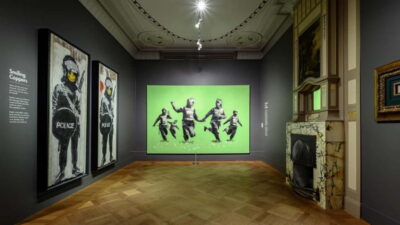
Moco Museum Amsterdam Entrance Tickets with Banksy & More
Read our review →

Amsterdam’s Weirdest Museum: Ripley’s Believe It or Not!
Read our review →


Browse the lists this tour appears in